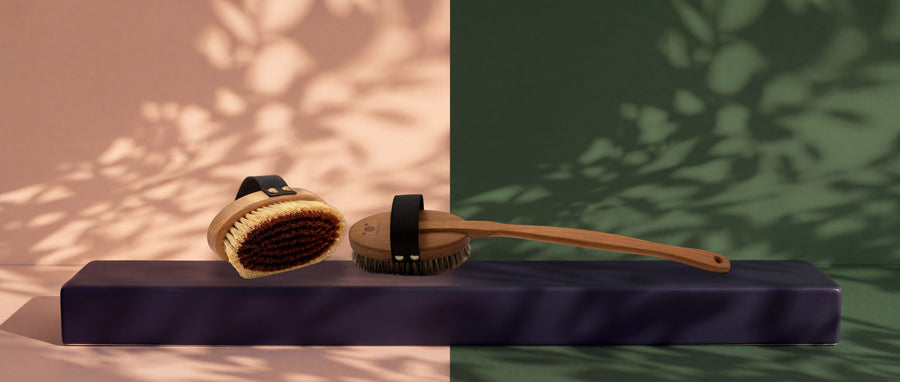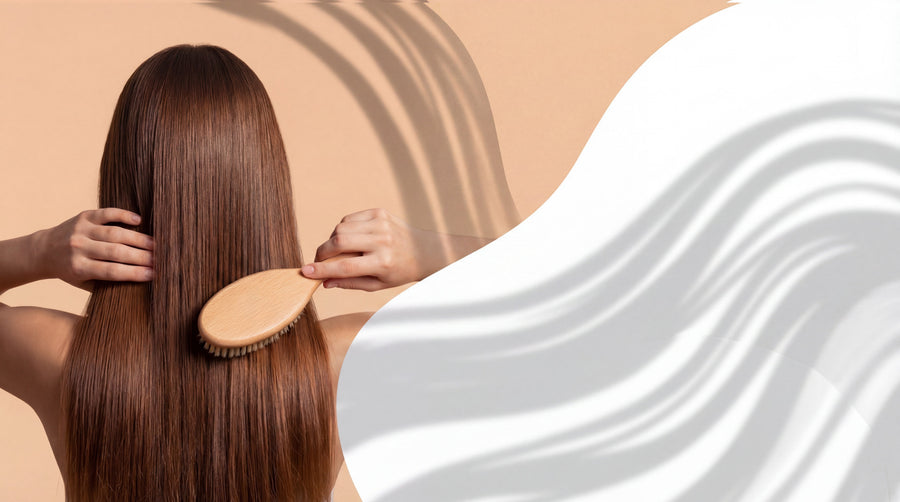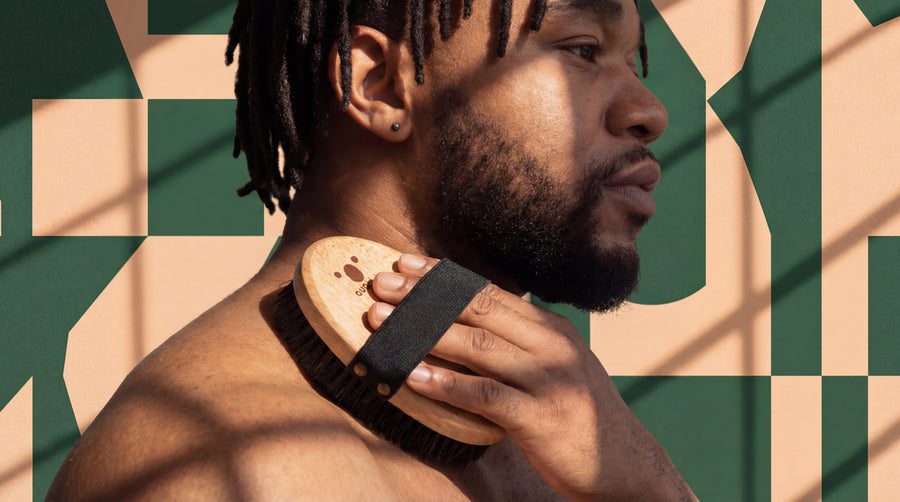

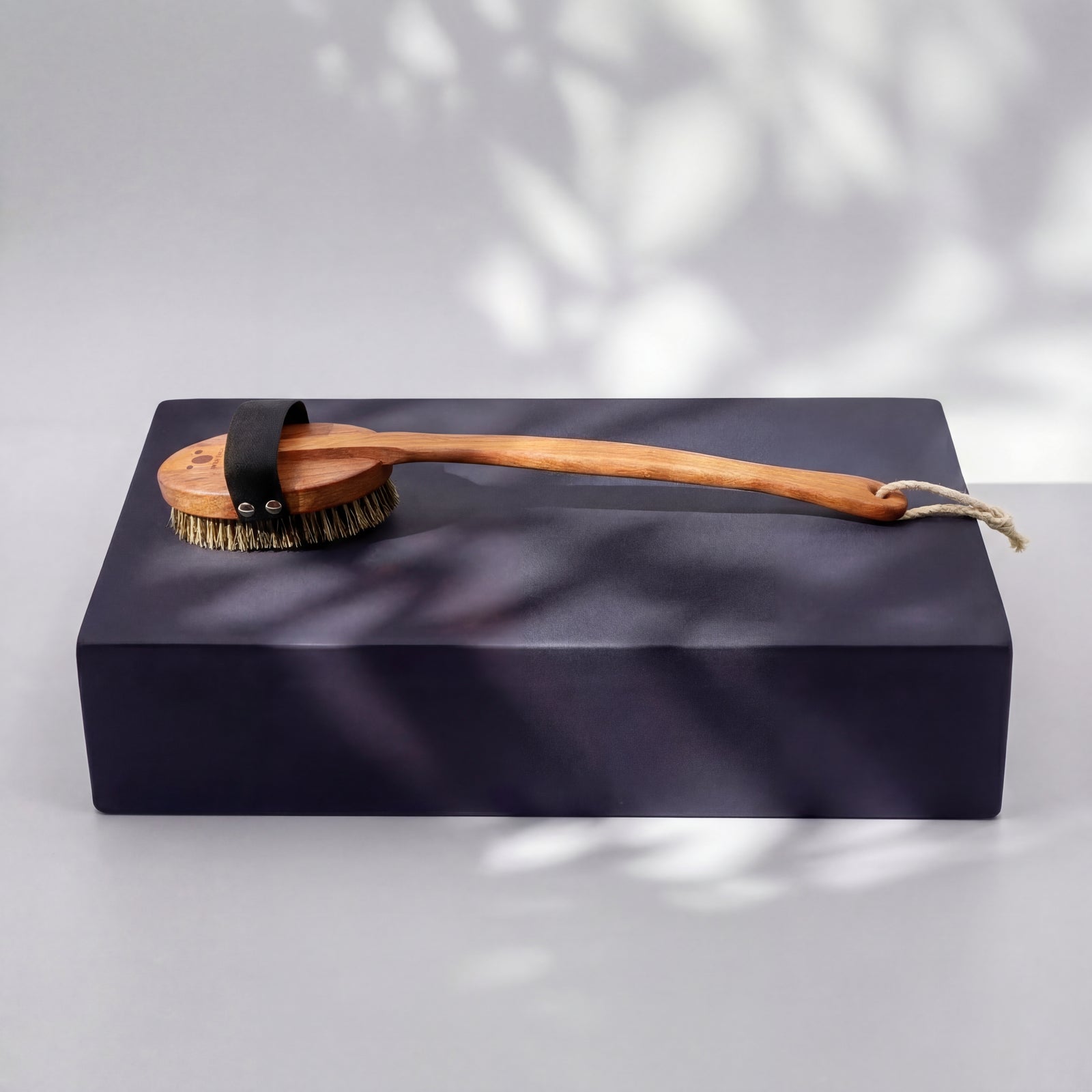

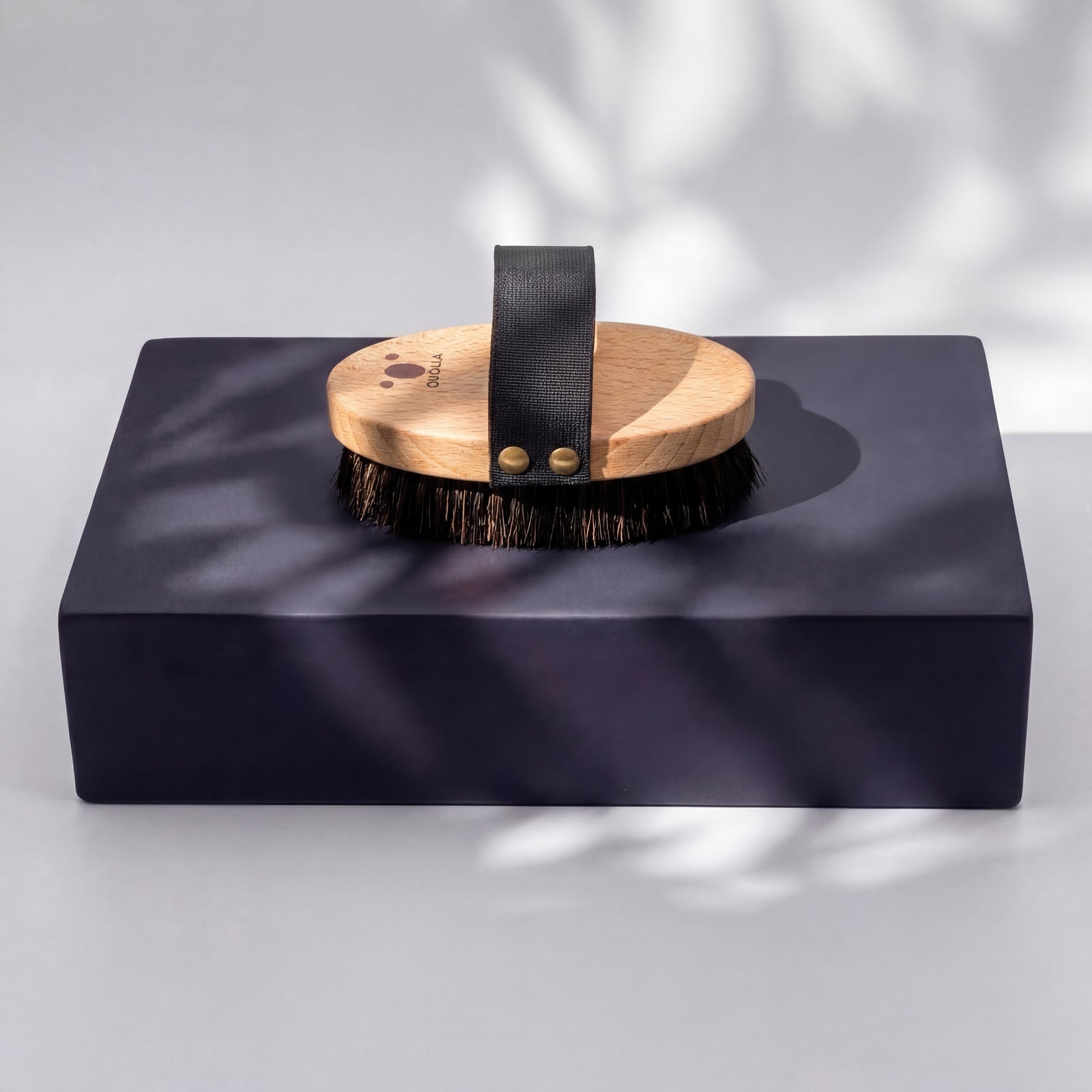

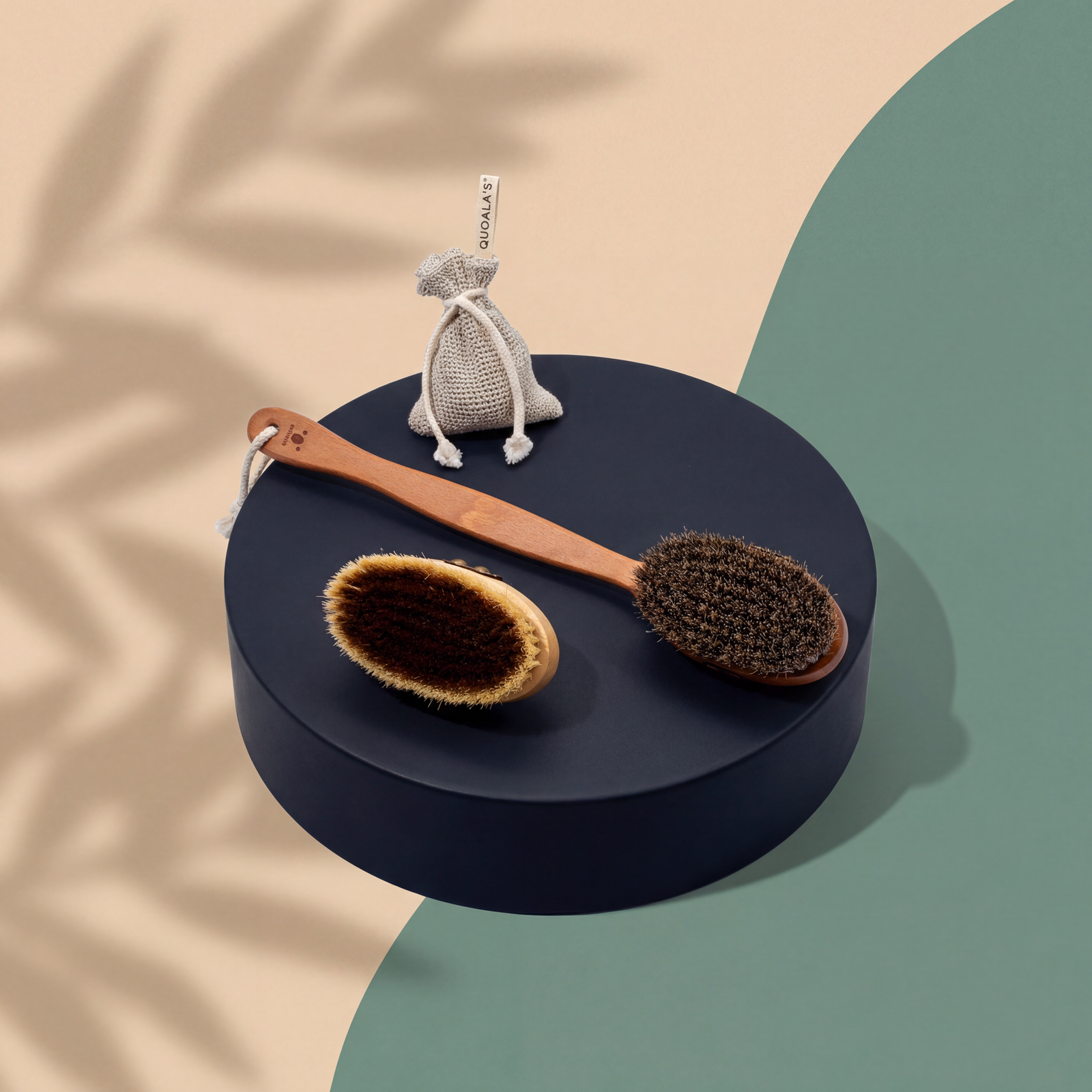

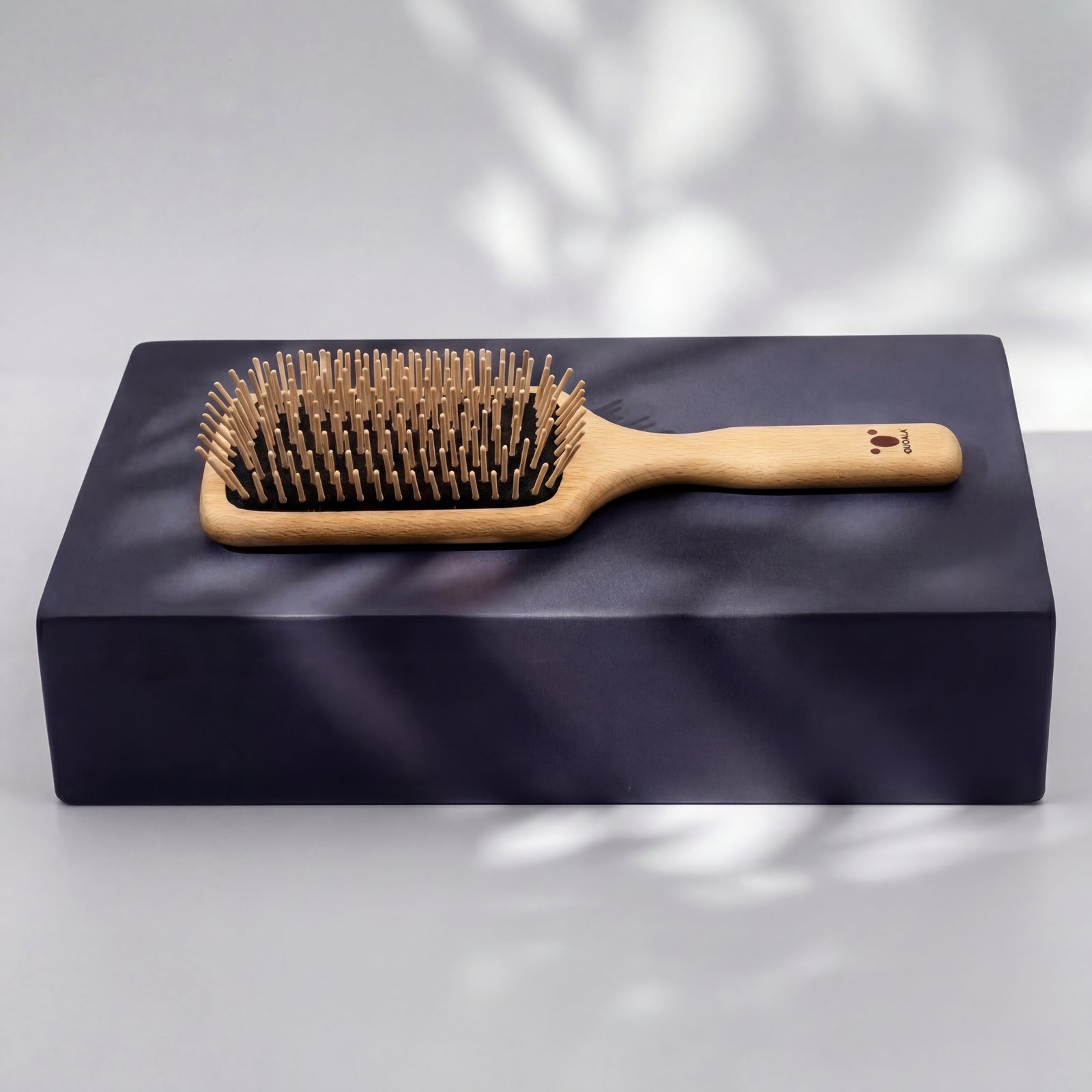

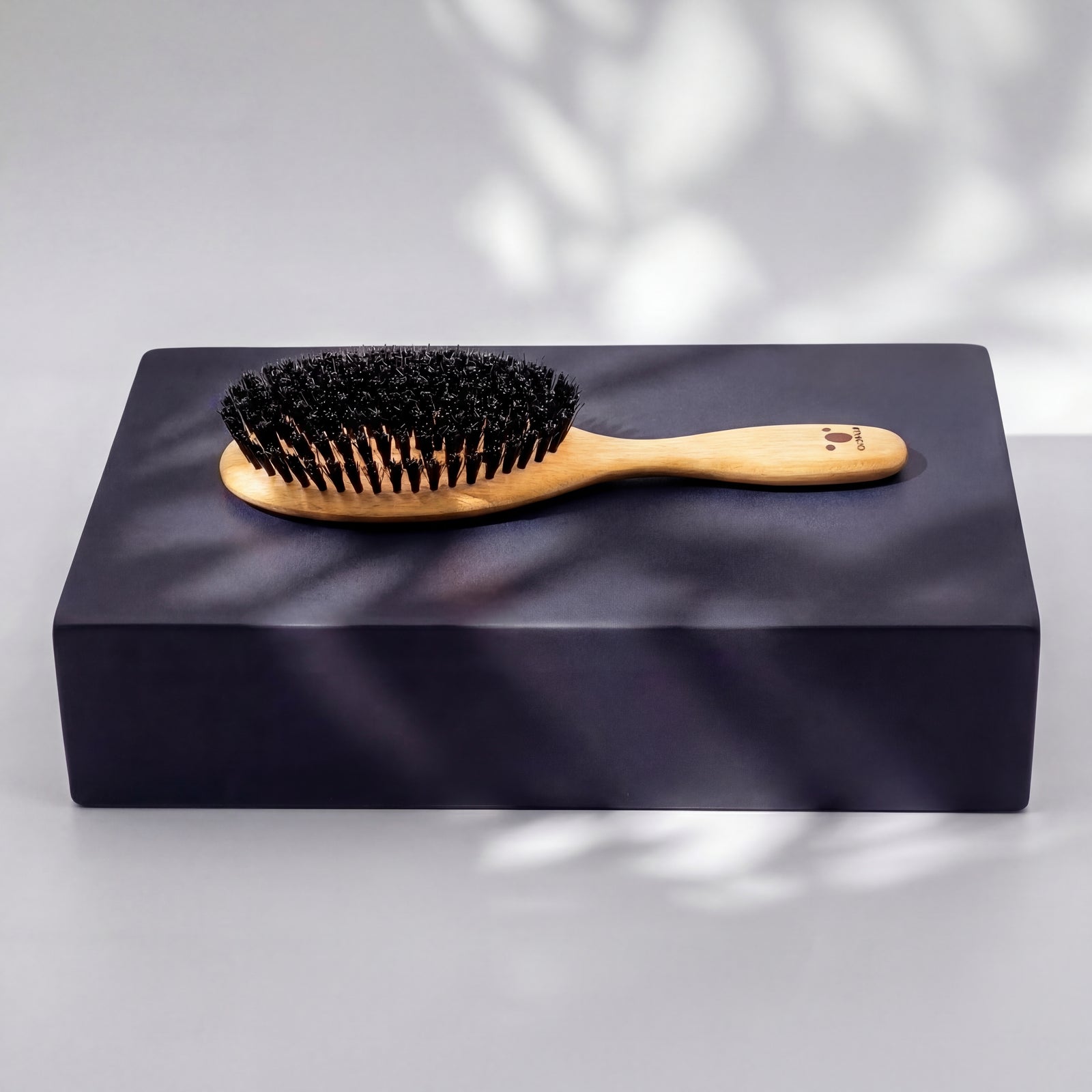

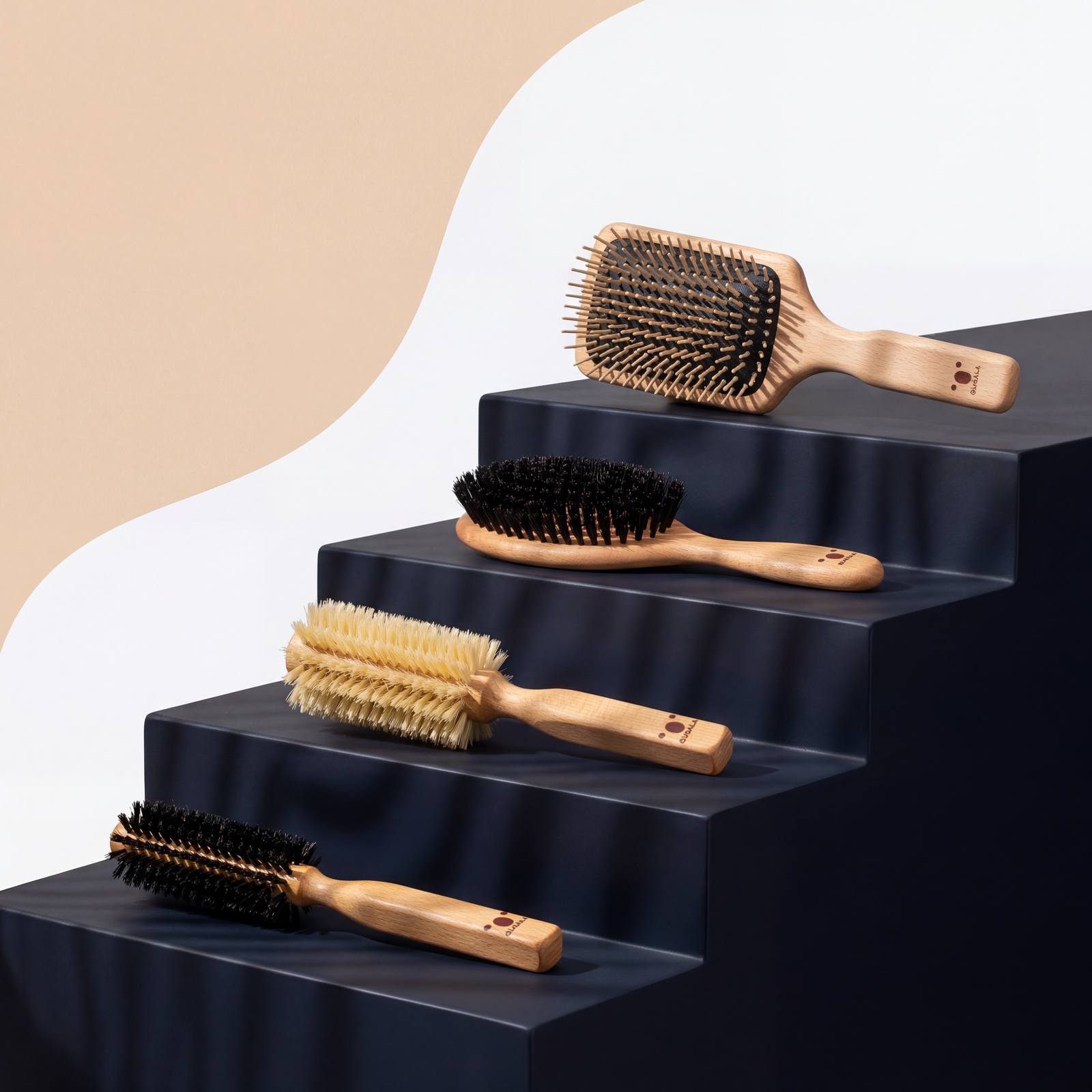

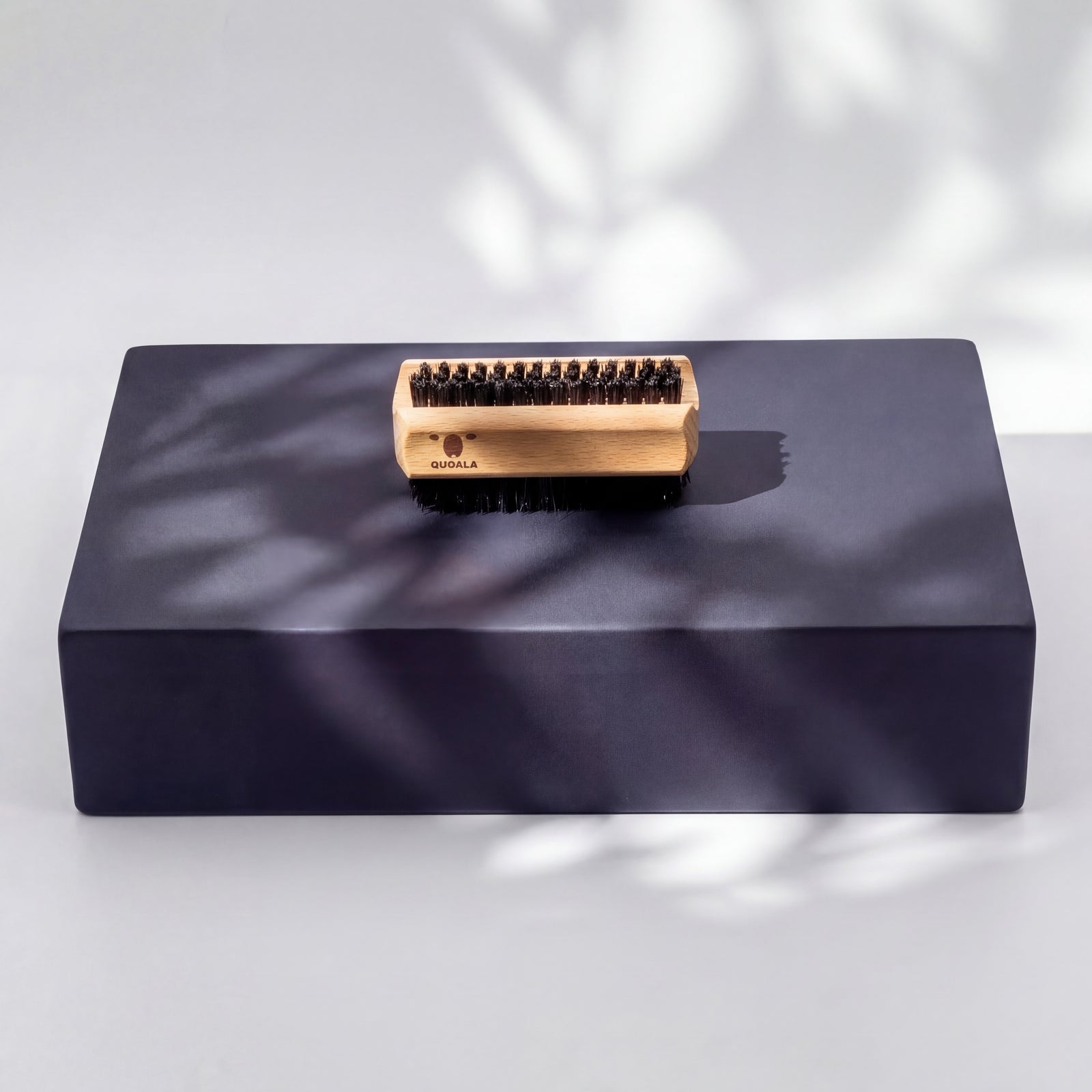

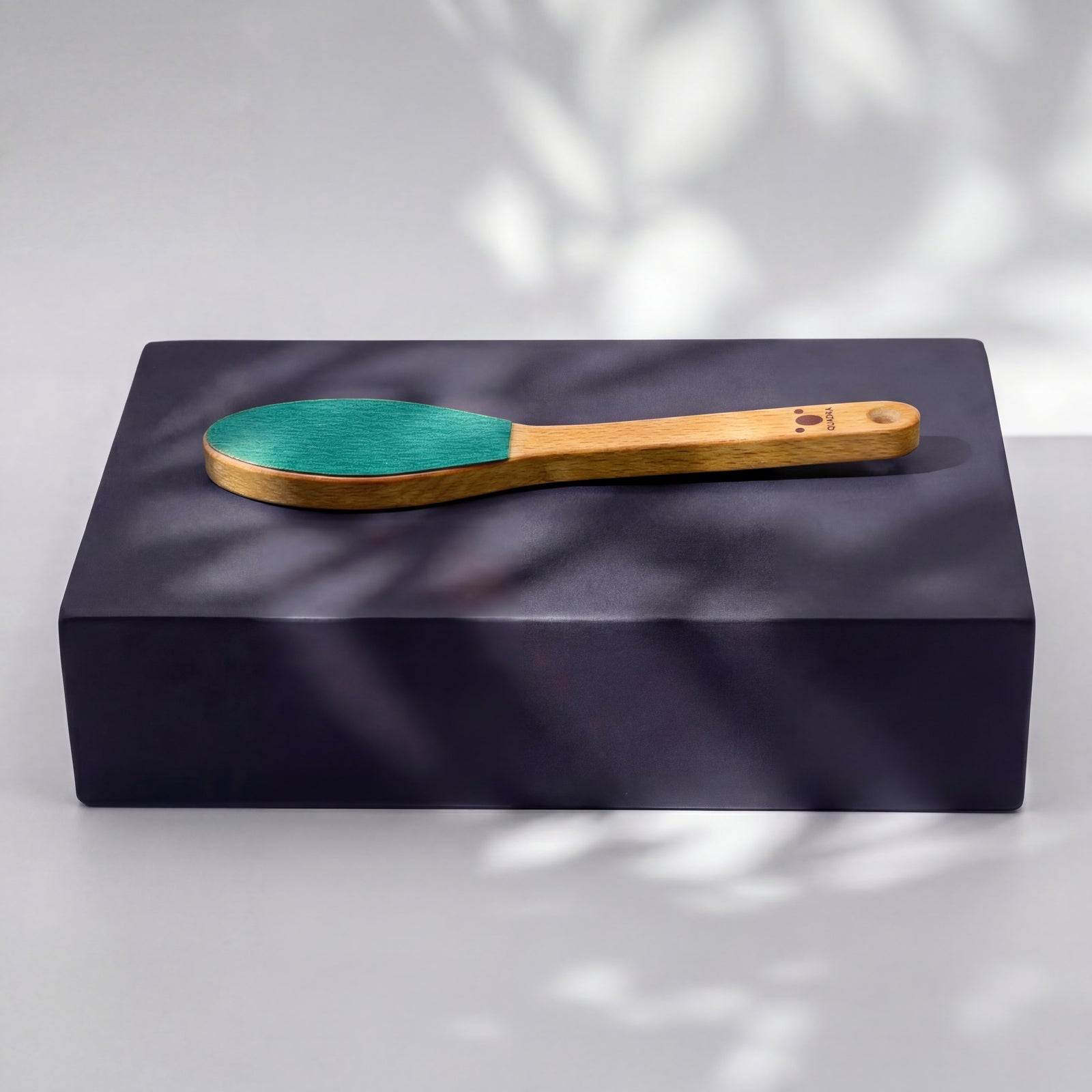

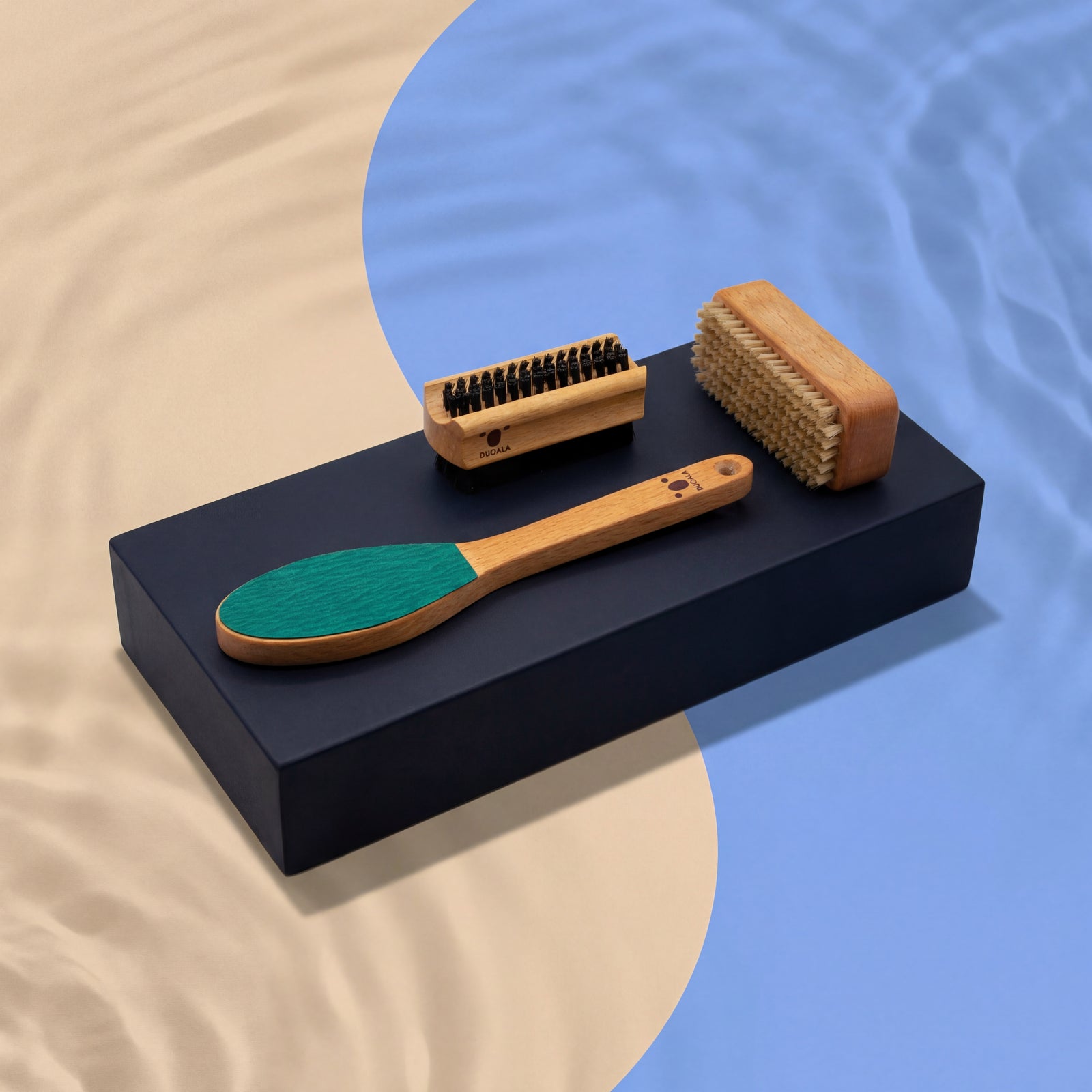

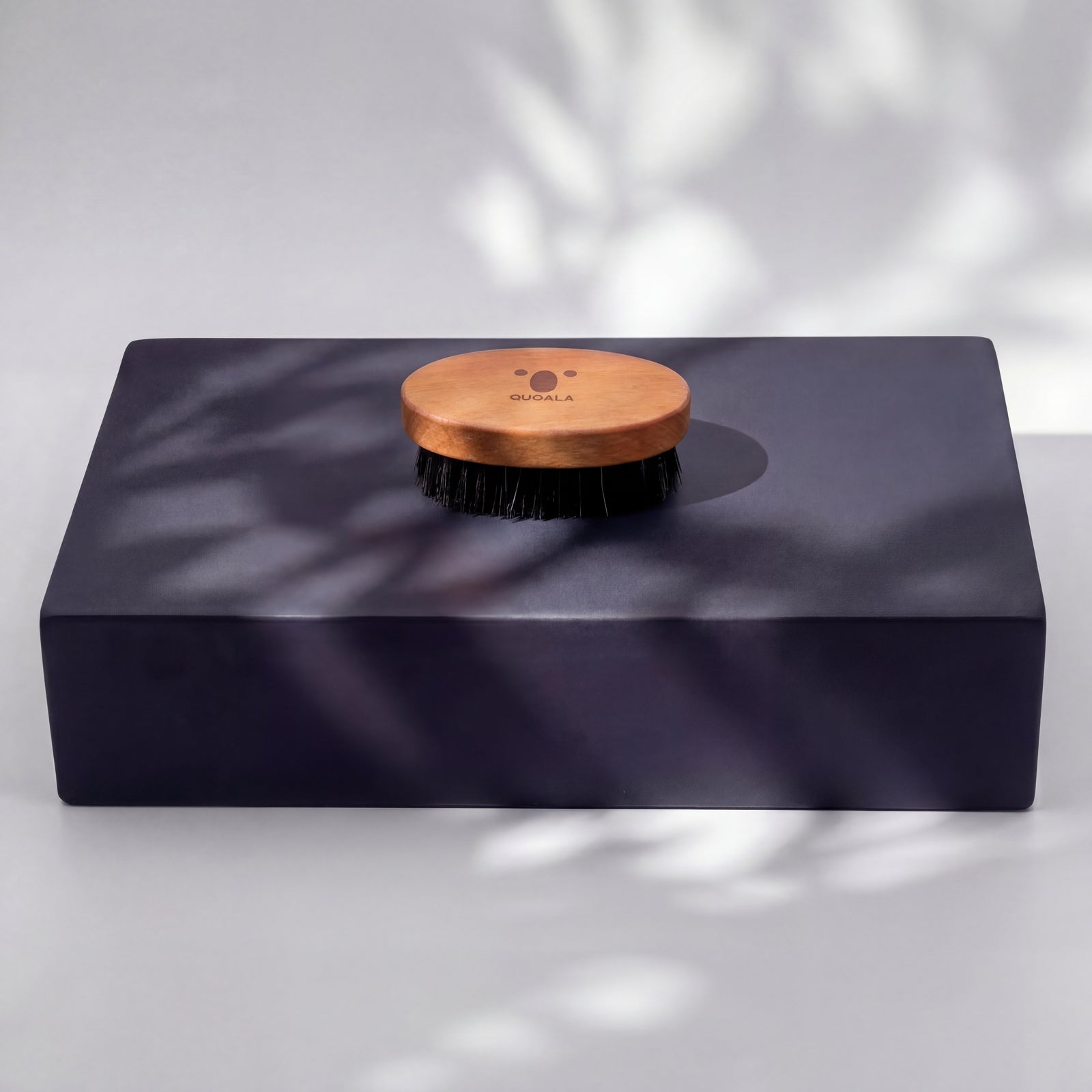

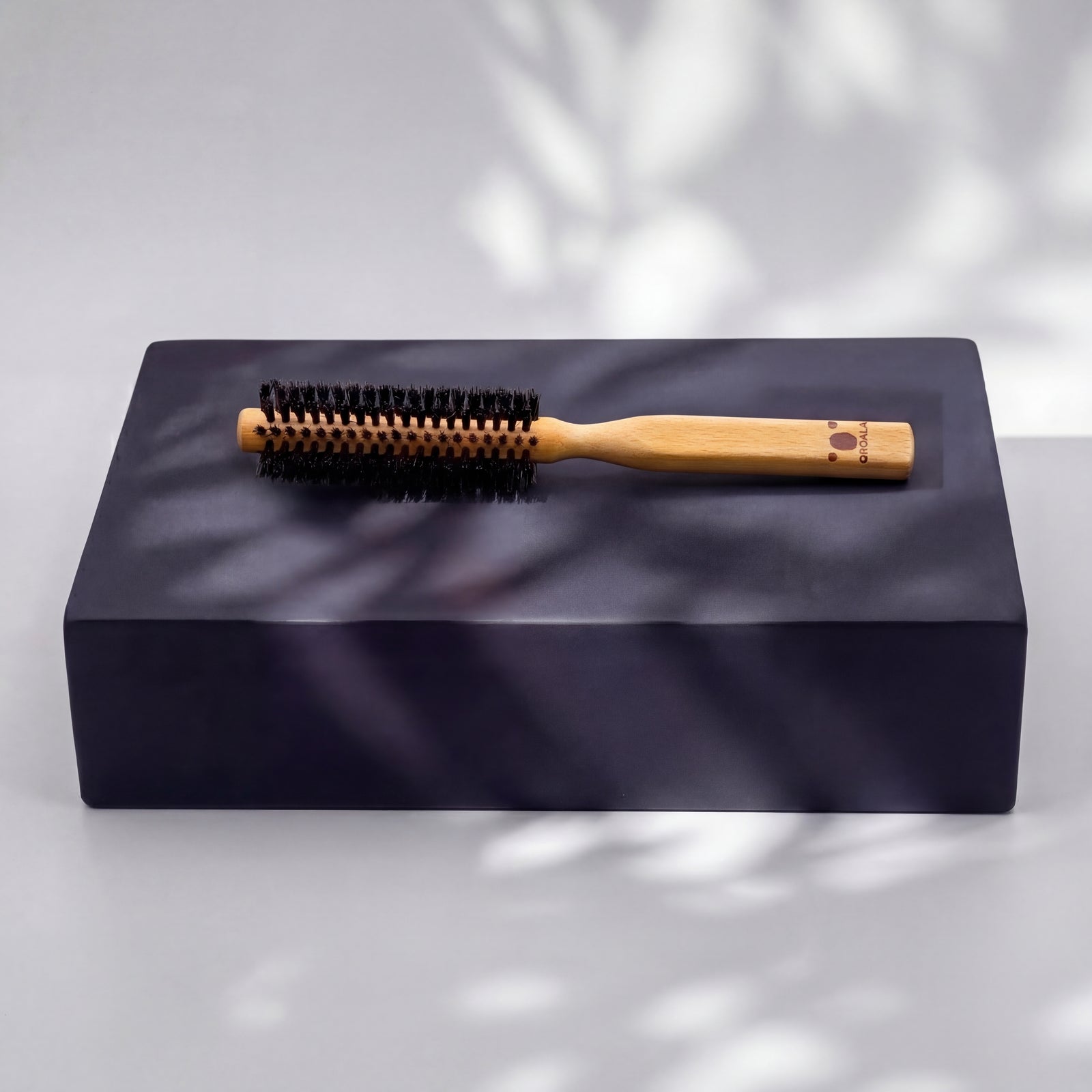

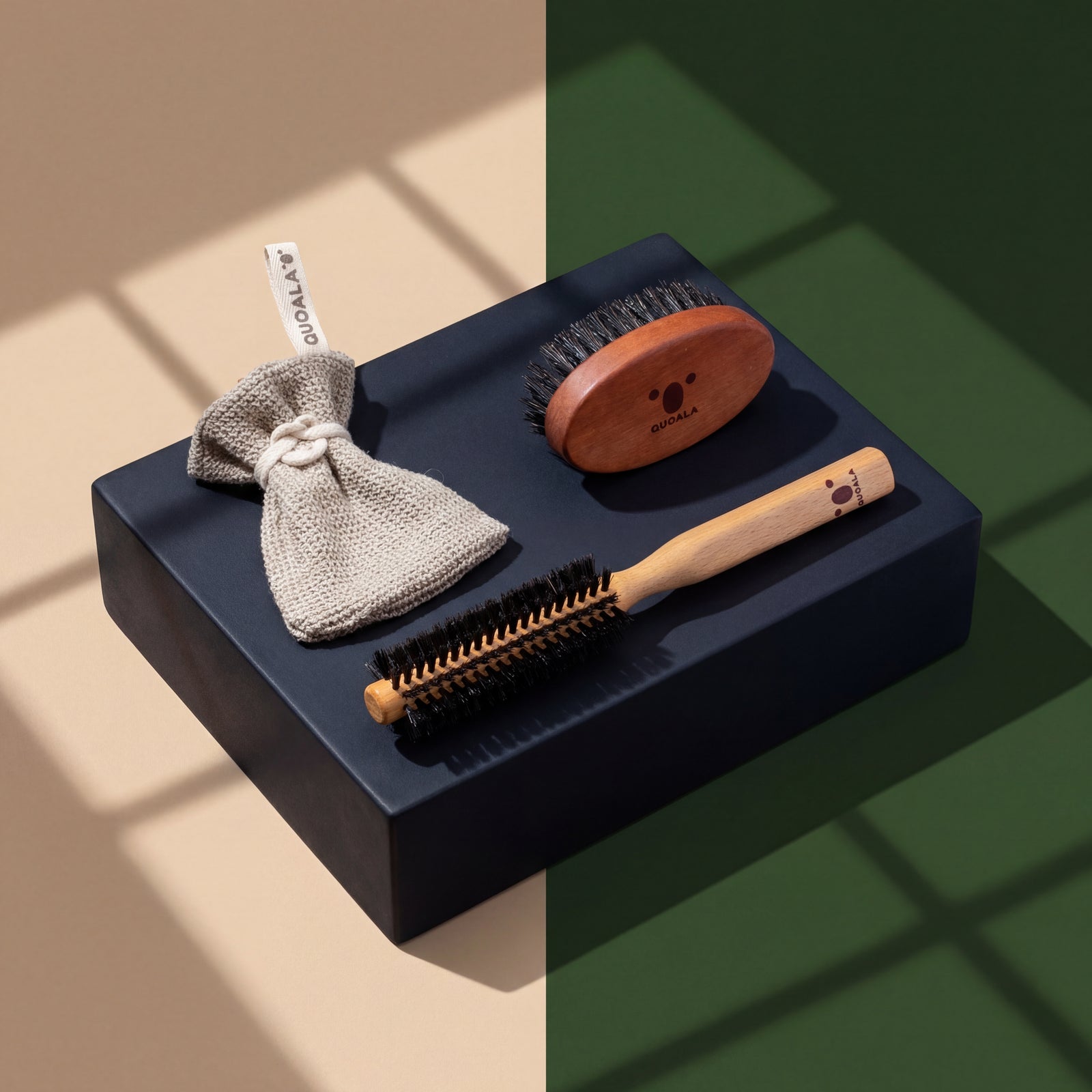

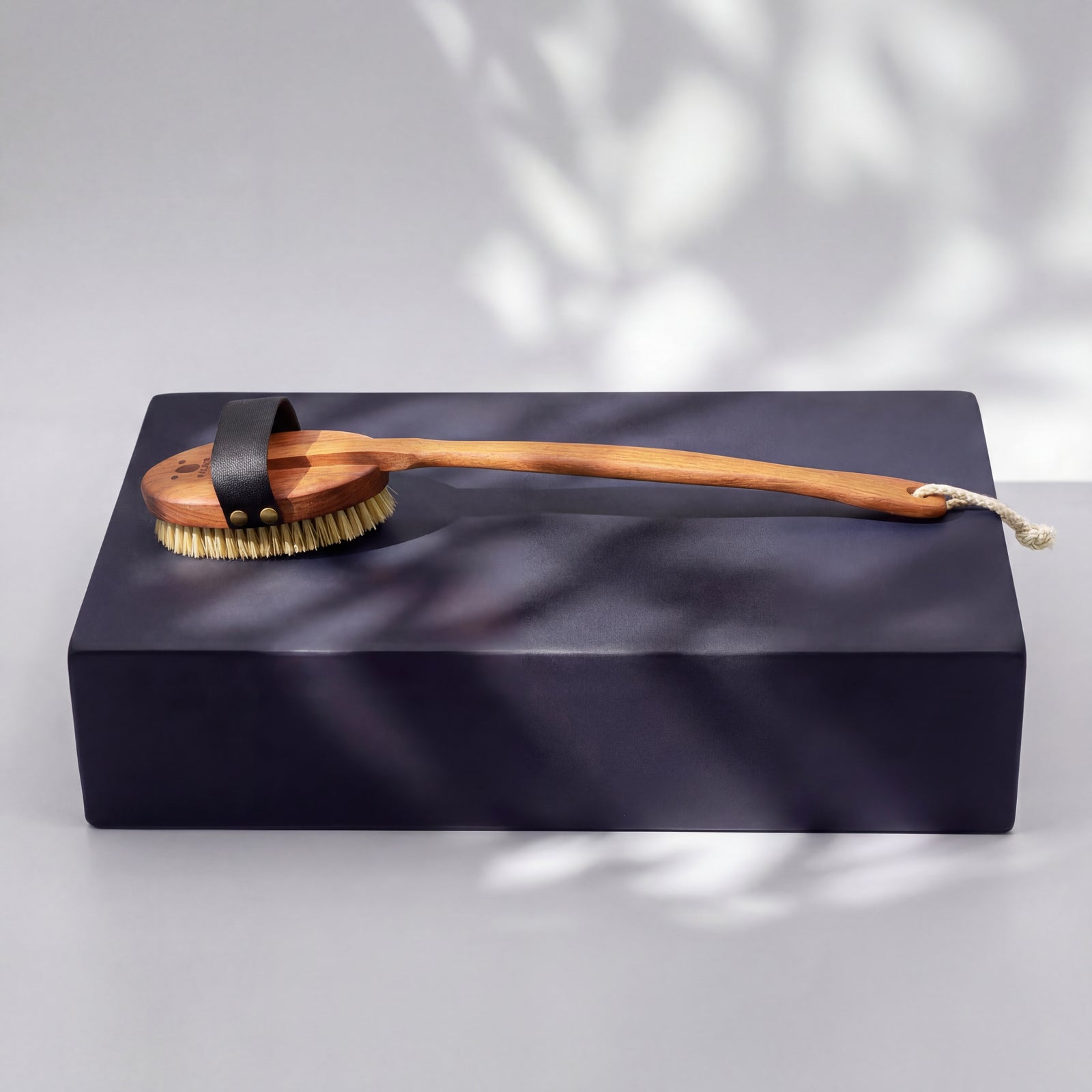

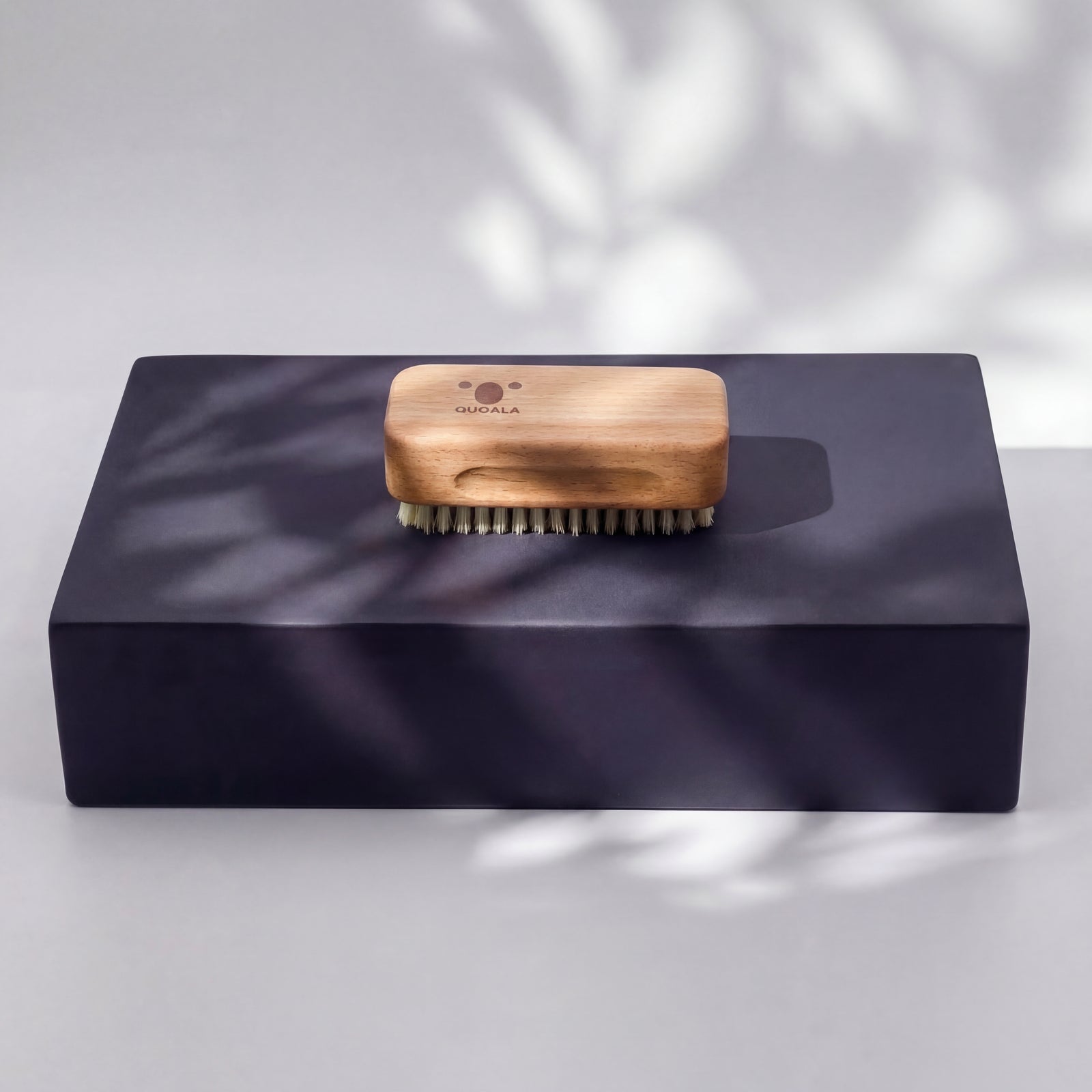

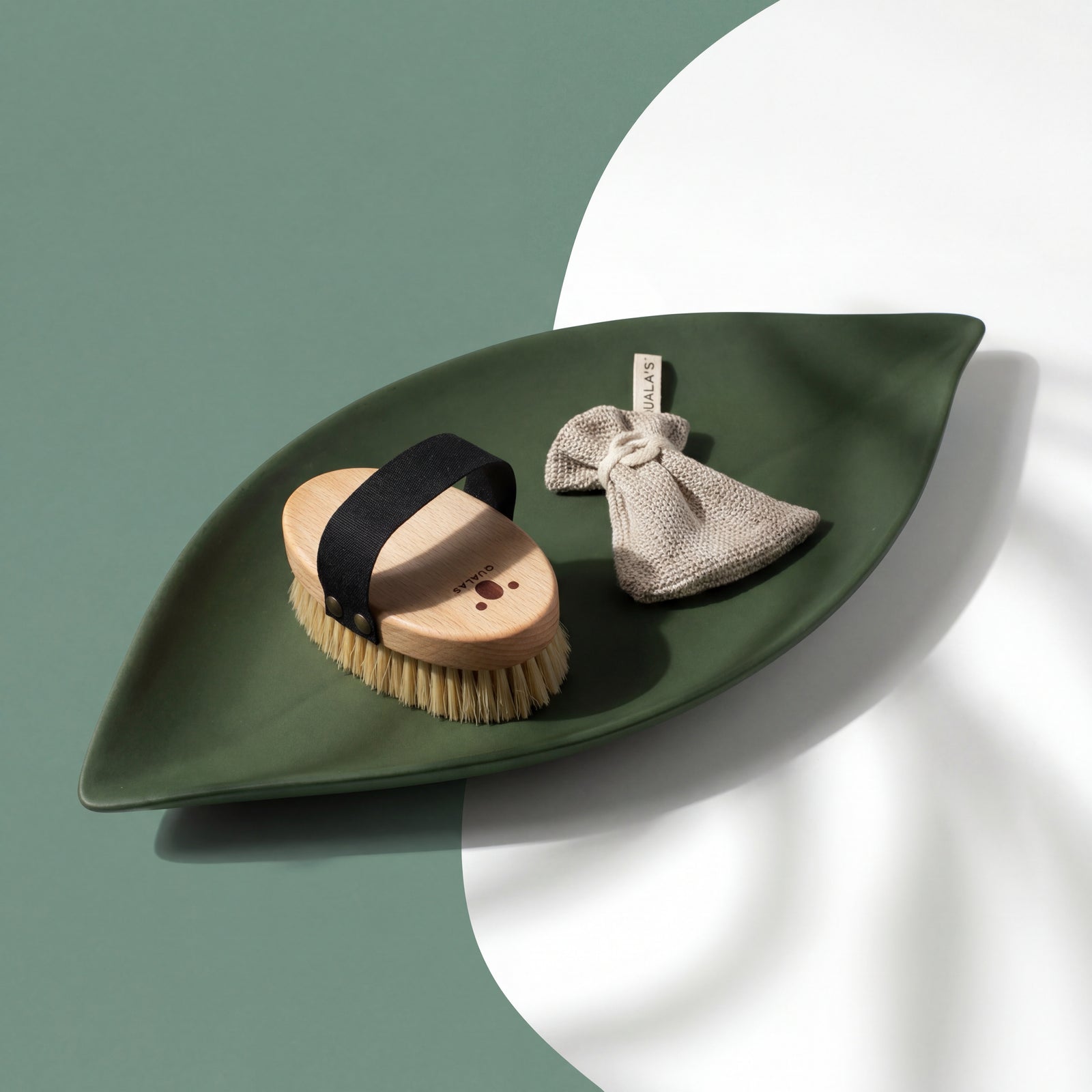


In 2026, NZZ Bellevue put into words what longevity research has been showing for years: it is not the big intervention but the sum of small, daily mechanical stimuli that changes the body over the long term. Dry brushing is exactly that — a morning ritual that, in two to five minutes, exfoliates and can briefly increase local skin blood flow. What decides whether the ritual really does something or stays a mere habit: the bristle material. It determines whether you give your skin a regenerative stimulus — or mechanical damage.
Good to know: Where the name monastery brush comes from and what is behind the ions can be found in section 7: Why it is called a monastery brush.
Contents
- 1. Why dry brushing in 2026 is different from the 2019 trend
- 2. What really happens when you dry brush — mechanics, skin, circulation
- 3. Dry brushing as a longevity ritual: what the research says
- 4. Which brush for which goal — and what natural material does
- 5. Which firmness suits your skin?
- 6. Step by step: technique, frequency and common beginner mistakes
- 7. Why it is called a monastery brush – and what we really know
- 8. Frequently asked questions
1. Why dry brushing in 2026 is different from the 2019 trend
In 2019, social networks were flooded with videos promoting dry brushing as a quick miracle cure for cellulite. Those promises could not be kept, and broad disillusionment followed. Today the picture is more nuanced: the longevity paradigm has established itself — not as a replacement for medicine, but as a framework for daily, low-threshold body practices whose sum makes a difference over the long term.
In 2026, NZZ Bellevue describes daily, consistent rituals as the real core of healthy ageing. In parallel, body brushes have moved onto the shelves of large drugstore chains — the demand is real. What gets lost along the way: the question of which tool is actually suited to a daily longevity ritual. Not every brush is the same.
2. What really happens when you dry brush — mechanics, skin, circulation
When the bristles glide over dry skin, mechanical exfoliation is well established; massage can also briefly increase local skin blood flow. A third — support for the lymphatic system — is often claimed but far less well documented.
Mechanical exfoliation removes dead corneocytes from the outermost layer of the skin. [1] The skin's barrier function is supported, and products applied afterwards are absorbed better. Massage can also briefly increase local skin blood flow. [2]
The lymphatic system — what is proven and what is not:
The lymphatic system has no pump of its own. In lymphoedema, manual treatment by trained professionals is documented as effective. [3] Whether dry brushing achieves a comparable effect in healthy people has not been conclusively shown — the mechanism is biologically plausible, but we do not claim it.
Important note:
Dry brushing is not a medical device. If you have sensitive skin, psoriasis or atopic dermatitis: consult a doctor before use.
3. Dry brushing as a longevity ritual: what the research says
Which daily practices keep the body functioning well for longer? Dry brushing is rarely named in this context — but the mechanisms it acts on are relevant.
A commentary on the Japanese practice of kanpumasatsu (dry rubbing with a towel) places it in the same tradition as dry brushing — it provides no measurements of its own, and it concerns a towel, not a brush. [4]
QUOALA's assessment: Dry brushing belongs to the category of daily, low-threshold body stimuli that are considered sensible in a longevity context — mechanisms plausible, risks minimal when used correctly. Three minutes a day before the shower — the Cleveland Clinic's recommendation for beginners. [5]
4. Which brush for which goal — and what natural material does
Under the microscope, synthetic nylon bristles show smooth, sharply cut ends. They produce concentrated, point-like pressure instead of an even friction surface — which can lead to irritation on more sensitive skin. [6] Add to that the microplastics problem: nylon bristles shed plastic particles as they wear – measured on toothbrushes, not on body brushes [7].
Natural bristles — pig bristle, horsehair or tampico agave fibre — bend elastically under pressure and spread the friction evenly across the skin. [6] QUOALA relies on these natural materials, combined with FSC-certified beech wood, made by a family-owned business in Germany. Three firmness levels, with or without a cord.
5. Which firmness suits your skin?
The choice of firmness matters more than most beginners expect. A brush that is too firm on sensitive skin leads to redness and micro-irritation — not a ritual that lasts. The rule: start gently and build up step by step, not the other way round.
Soft (pig bristle): Recommended for dry, sensitive or mature skin. The bristles bend strongly under pressure; the friction surface is wide and evenly spread. Ideal for beginners and for anyone with no prior experience of regular dry brushing. If you have atopic dermatitis or psoriasis: seek medical advice before starting.
Medium (horsehair & tampico): The all-rounder. Suited to normal skin and to people who have already brushed regularly for one to two weeks. The combination of horsehair and tampico agave fibre creates two different friction textures in one brush — horsehair supple and pliable, tampico firmer and more stimulating.
Firm (tampico, 100% plant-based): For experienced users with normal to robust skin. Tampico agave fibre is naturally firmer than pig bristle and delivers intense exfoliation. Frequency: two to three times a week is enough — not daily at maximum pressure. [6]
A self-test before you buy
Run a fingernail lightly across your forearm once and watch the reaction: if the redness fades quickly, your skin usually tolerates medium pressure without problems. If the skin stays irritated for longer, flakes or is generally reactive — choose soft and observe for two to three weeks.
Many users start with soft and switch to medium after four to six weeks, once there is no visible reaction any more. The skin adapts its barrier function to regular mechanical stimuli — a physiological adaptation process that takes time and should not be forced. If you respect that process, you build a ritual that lasts.
6. Step by step: technique, frequency and common beginner mistakes
The common recommendation to always brush towards the heart comes from the physiotherapeutic treatment of the lymphatic system. The clinical evidence for lymph-flow stimulation in healthy people is limited [3] — as an ergonomic movement pattern it still makes sense.
What you should not do:
Not on inflamed or sunburnt skin. Not on wounds. Not on the face. Not daily at maximum pressure.
- Feet and lower legs: Start at the soles, then from the ankle towards the knee.
- Thighs and buttocks: Long, upward strokes.
- Abdomen: Clockwise circles.
- Back: From the lower back upwards.
- Arms and shoulders: From the wrist towards the shoulder.
Frequency (Cleveland Clinic): two to three times a week, two to three minutes. [5] Afterwards: apply body oil.
7. Why it is called a monastery brush – and what we really know
Where the name comes from. “Monastery brush” refers to monasteries: tradition has it that monks and nuns dry-massaged themselves with such brushes. We have found no historical source for this – it is a tradition that is passed down by word of mouth, not proven history. In retail, it is also known as an ionic brush or ionic dry brush.
What is said about it. The monastery brush is said to “charge” the skin or release ions through the friction of the bronze wires. We have found no scientific evidence for this – which is why we do not promise it.
What we can document:
- The material: The fine wires are bronze – 93% copper, 7% tin. Not brass.
- Copper as a surface: Copper surfaces damage bacteria and fungi that lie on them: a property of the metal, not a skin promise. Evidence S13
- Exfoliation: Brushing loosens dead skin cells; skincare is absorbed better afterwards. Evidence S10
- The sensation: Many describe a delicate tingling and warmth. That is an experience, not an effect we promise.
Dry use only. Bronze tarnishes with water. Therefore, brush only on dry skin and tap the brush out dry.


8. Frequently asked questions
Which skin types is dry brushing suitable for?
Most skin types — with the right choice of brush. Sensitive skin starts with pig bristle (soft). Robust skin tolerates horsehair & tampico (medium). With psoriasis or atopic dermatitis: consult a dermatologist first.
How long until the first results are visible?
The tingling, pleasant feeling is immediate. Noticeable changes in skin texture after two to four weeks (two to three times a week). Dry brushing is a ritual — not a medical device.
Bath brush or monastery brush — where to start?
Beginners: bath brush with pig bristle. The monastery brush is for people with experience who want a more intense experience.
Can I also use the QUOALA bath brush wet?
Yes. Dry and wet use have different effects. Both are possible.
How do I clean a natural-bristle brush?
Monastery brushes should only be tapped out dry, never cleaned with water. After wet use, rinse bath brushes thoroughly and allow them to dry well bristles-down or hanging by the cord.

Sources and further reading
Scientific sources
- Harvard Health Publishing (2024), Have you exfoliated lately?, Harvard Medical School. Exfoliation removes dead skin cells from the surface. Our assessment S1 · Source
- Miyaji, Sugimori & Hayashi (2018), Short- and long-term effects of using a facial massage roller on facial blood flow and vascular reactivity, Complementary Therapies in Medicine. Massage with a facial roller increased skin blood flow; measured on the face, not with a body brush. Our assessment S2 · Source
- Vairo, Miller, McBrier & Buckley (2009), Systematic Review of Efficacy for Manual Lymphatic Drainage Techniques in Sports Medicine and Rehabilitation, Journal of Manual & Manipulative Therapy. Review of manual treatment of the lymphatic system by professionals; no brush was studied. Our assessment M7 · Source
- Komagata (2023), Kanpumasatsu: A superficial self-massage with a dry towel to enhance relaxation and immune functions, Journal of Interprofessional Education & Practice. Commentary without new data; it concerns a towel, not a brush. Our assessment S85 · Source
- Cleveland Clinic (2021), The Truth About Dry Brushing and What It Does for You. Dermatological assessment: dry brushing exfoliates the skin; an effect on cellulite is not proven. Our assessment S77 · Source
- Almohamad, Drean, Peschel & Harzallah (2026), Structural and Mechanical Characterisation of Five Agave Fibres for Sustainable Textile Applications, Fibers. Agave fibres such as tampico are rough and porous; no measurements on skin. Our assessment M6 · Source
- Öztürk Aytulun et al. (2025), Preliminary results on microplastic release from commercial toothbrushes during simulated brushing, Microchemical Journal. Nylon bristles shed microplastics during simulated brushing; measured on toothbrushes, not on hair or body brushes. Our assessment S68 · Source
External literature (further reading)
- NZZ Bellevue (2026), Eine Übersicht über die grössten Wellnesstrends 2026 (German). Trend overview, not a study. bellevue.nzz.ch
- Medical News Today, guide article on dry brushing. Health portal, not a study. medicalnewstoday.com