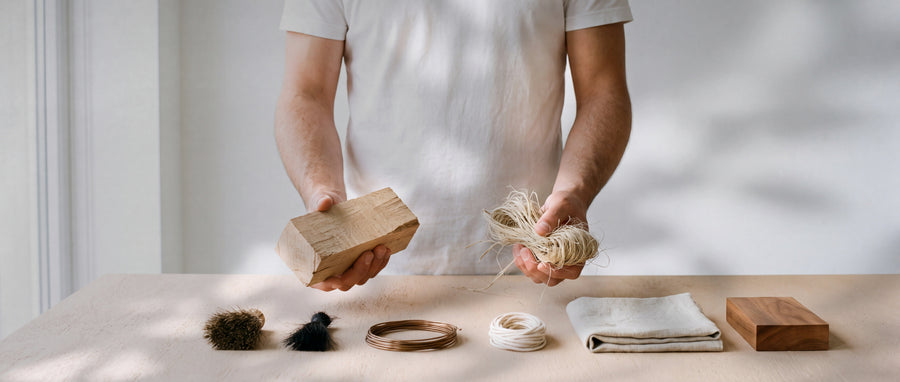

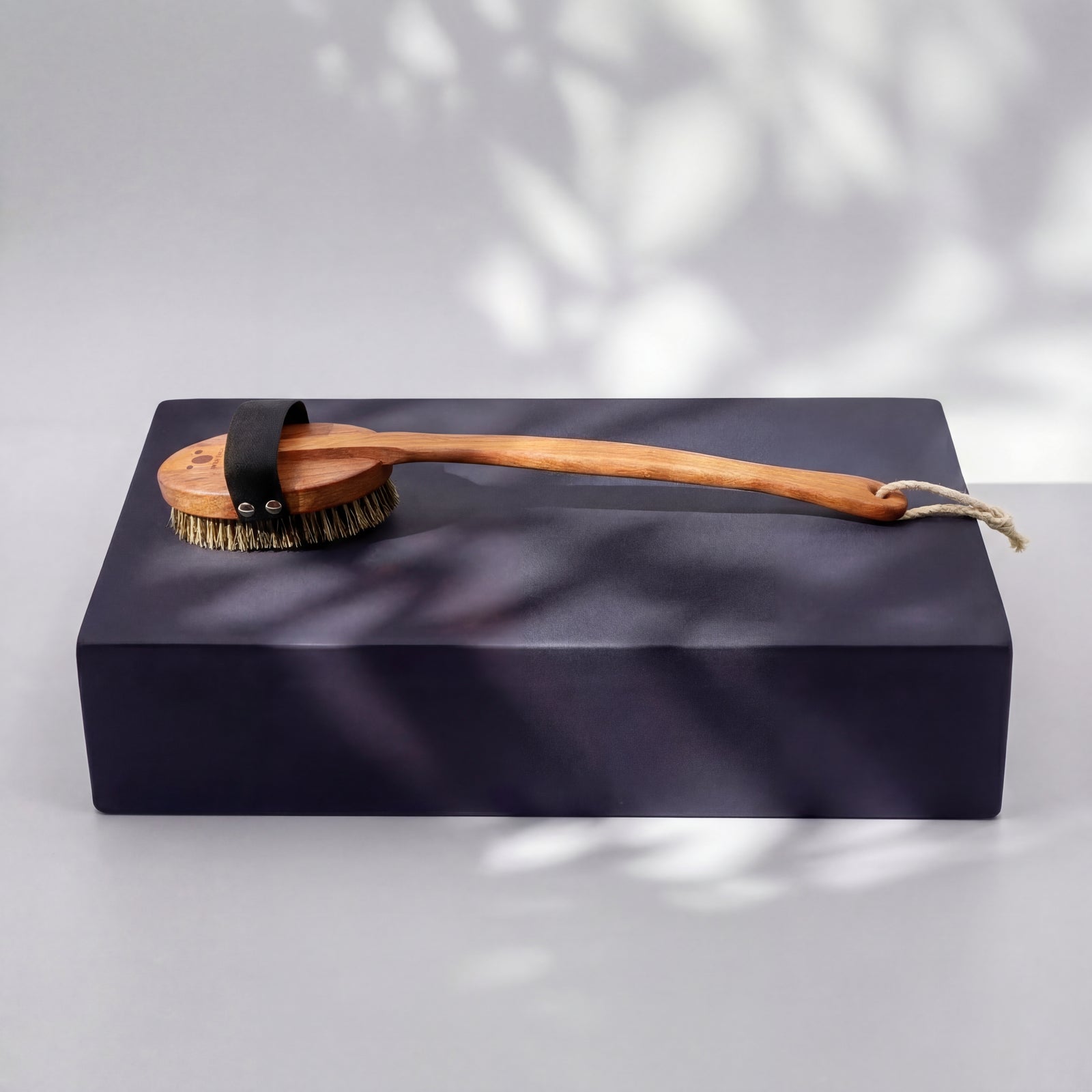

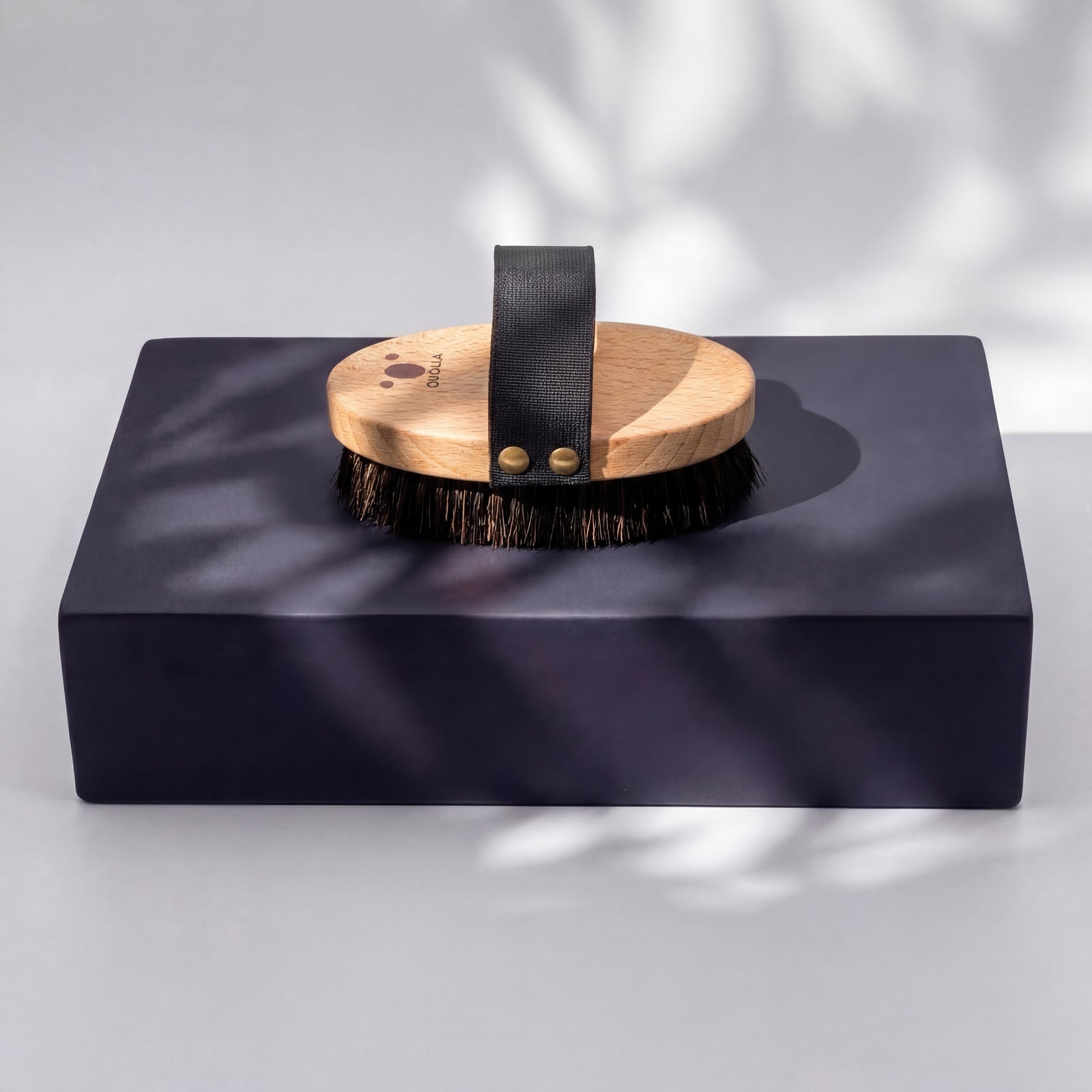

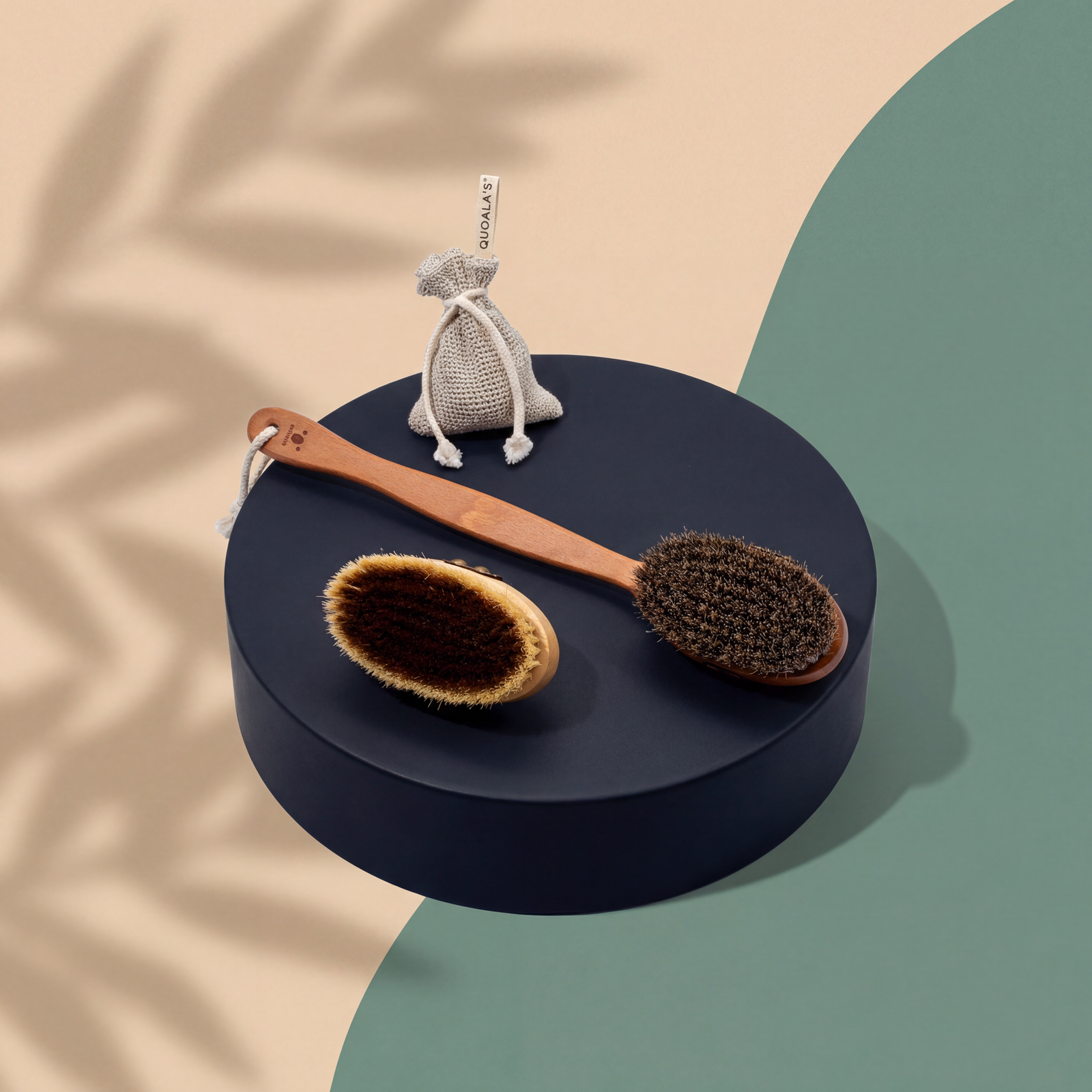









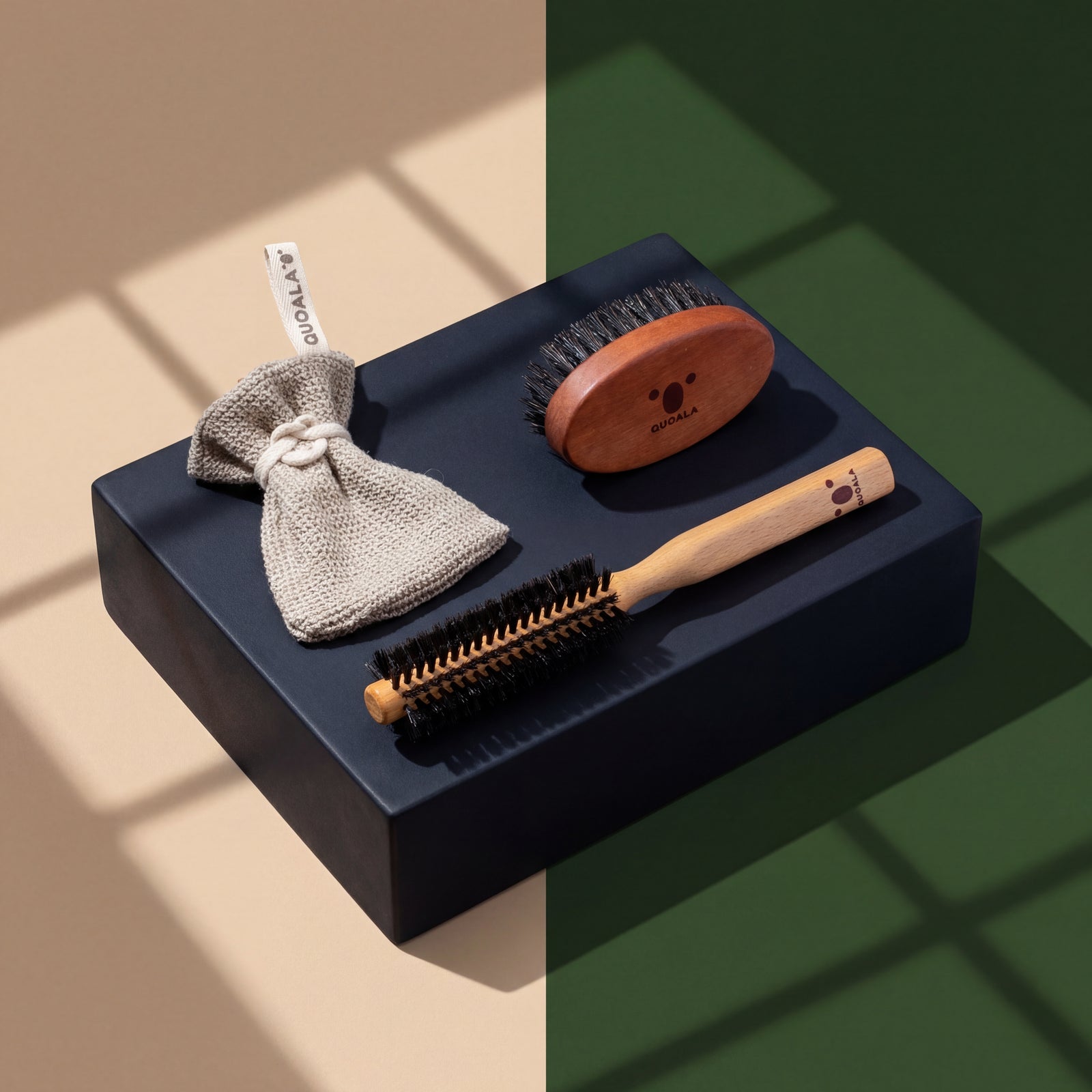

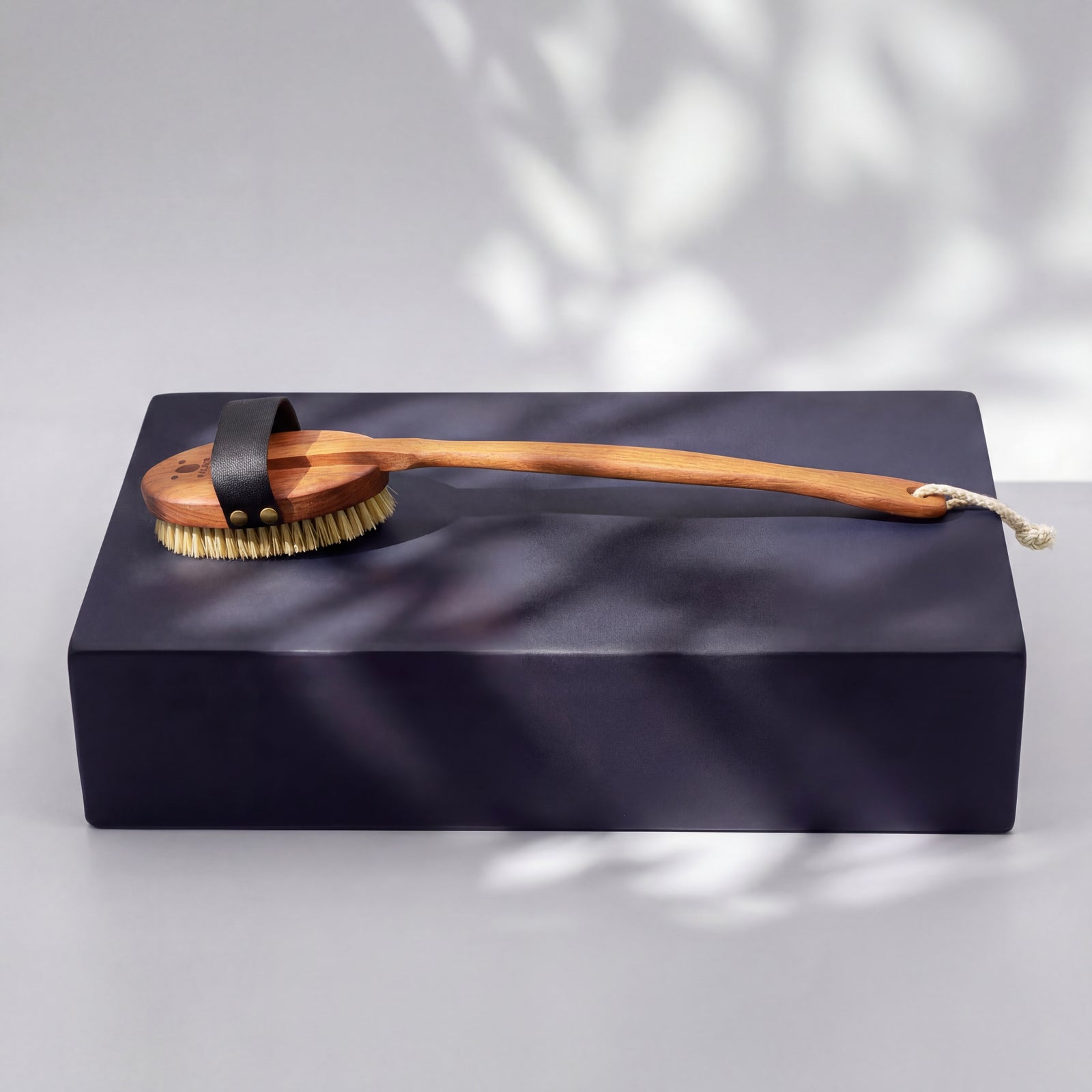

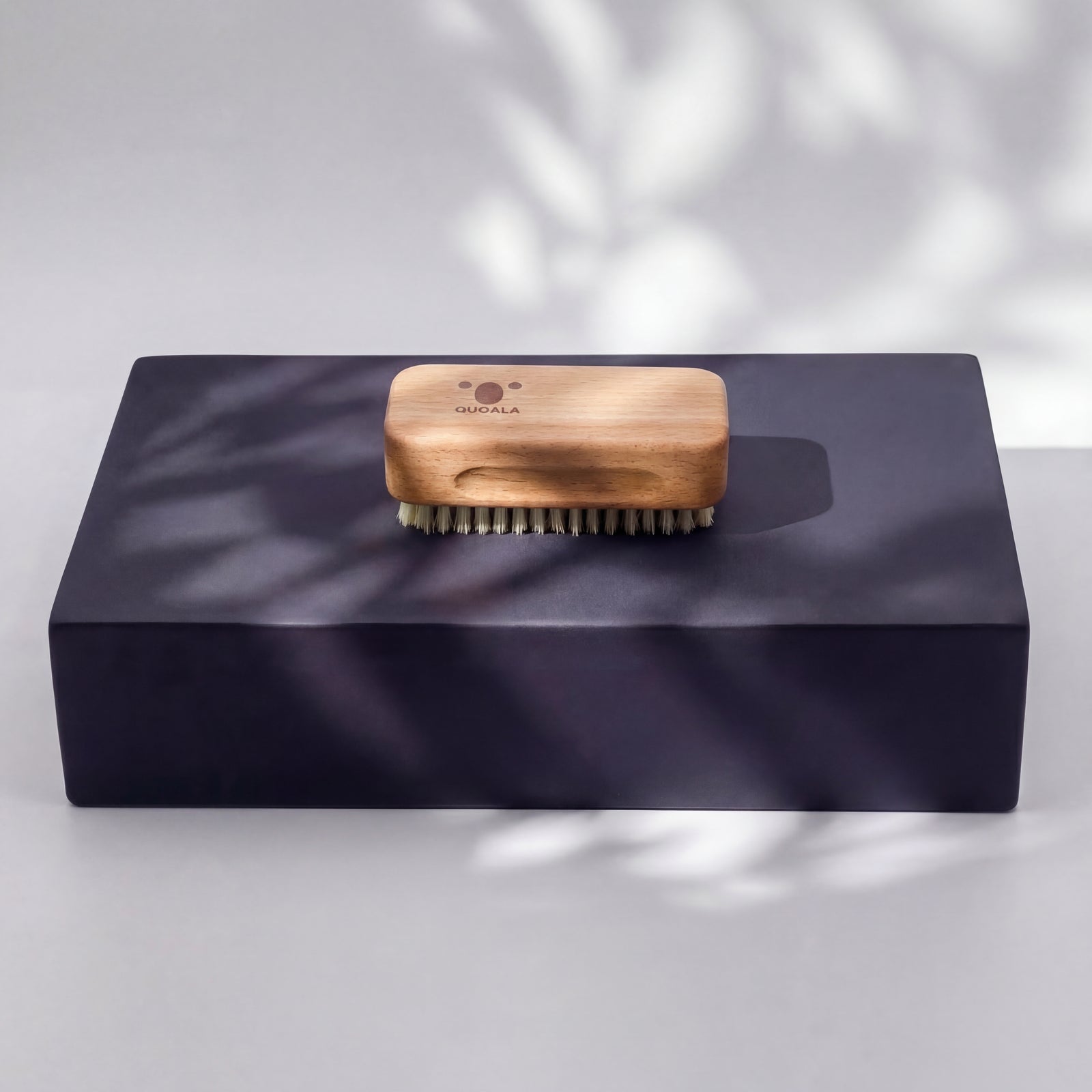

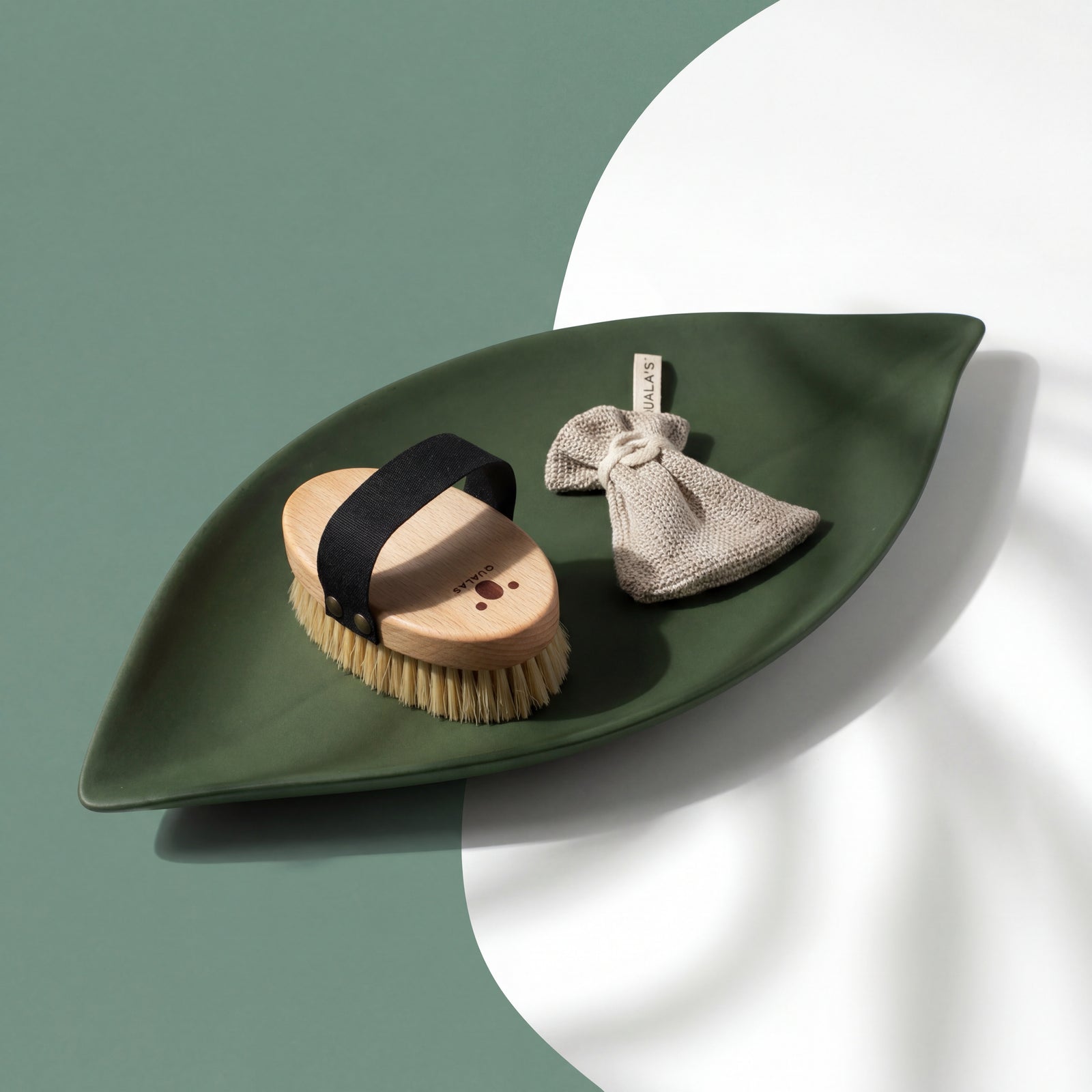

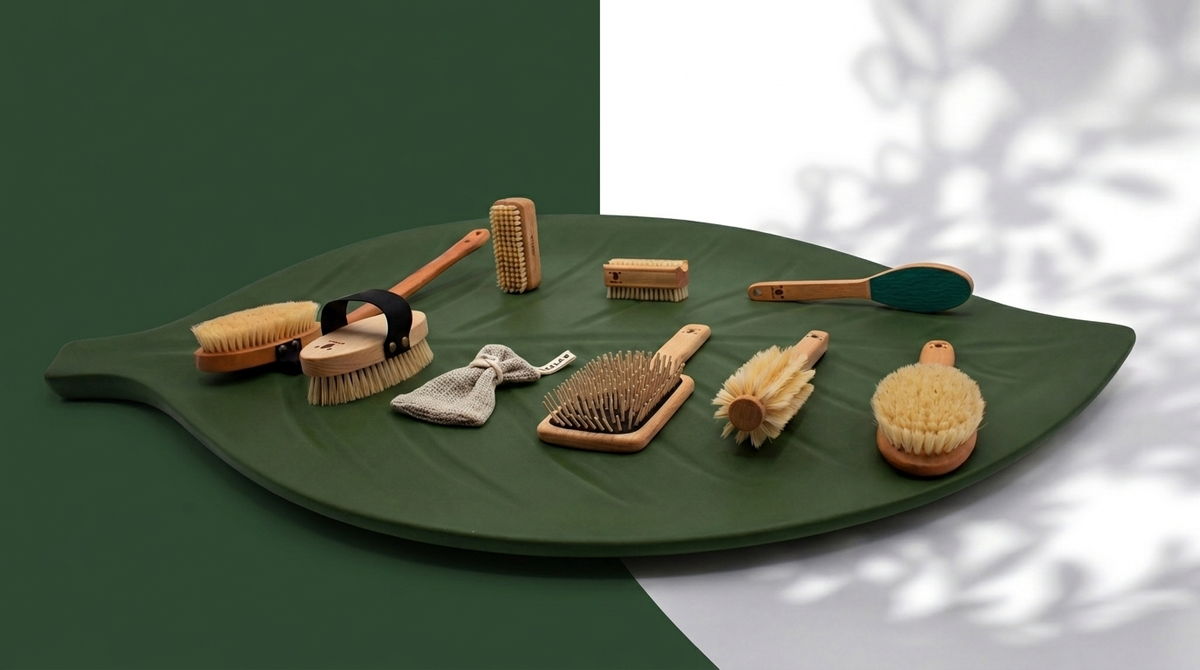
The PETA Vegan Award 2026 honoured 16 beauty products — from shampoos to nail polish. Major media report: in 2026, vegan cosmetics are no longer a lifestyle niche but mainstream. Yet while creams, serums and shower gels have long had vegan versions, a basic question often goes unanswered: what actually makes a brush vegan? Which materials are in it, where do they come from, and what difference does that make for your skin, your hair and your conscience? 10 of QUOALA's 20 products are vegan — and this article explains why that is more than a label.
Already read it? Our material comparison explains the scientific difference between boar bristle and tampico fibre in detail: Boar bristle vs. tampico fibre: the science behind the perfect hair brush.
The essentials at a glance
A brush is vegan when all its materials — bristles, handle, cushion, fastening — are free of animal-derived components. QUOALA uses tampico fibre from the Mexican agave plant, hornbeam wooden pins and GOTS-certified organic linen as vegan alternatives to animal bristles. 10 of 20 QUOALA products are fully vegan. The PETA Vegan Award 2026 shows: vegan body care is mainstream in 2026 — including long-lived tools such as brushes.
In this article:
- 1. What does “vegan” really mean for brushes?
- 2. Tampico fibre: the science behind the vegan agave fibre
- 3. Hornbeam wooden pins: the plant-based route to the paddle brush
- 4. The GOTS soap pouch: vegan and organic textile
- 5. The 10 vegan QUOALA products at a glance
- 6. Why FSC wood is part of the vegan decision
- 7. PETA Award 2026: what the trend really means
- 8. Frequently asked questions
1. What does “vegan” really mean for brushes?
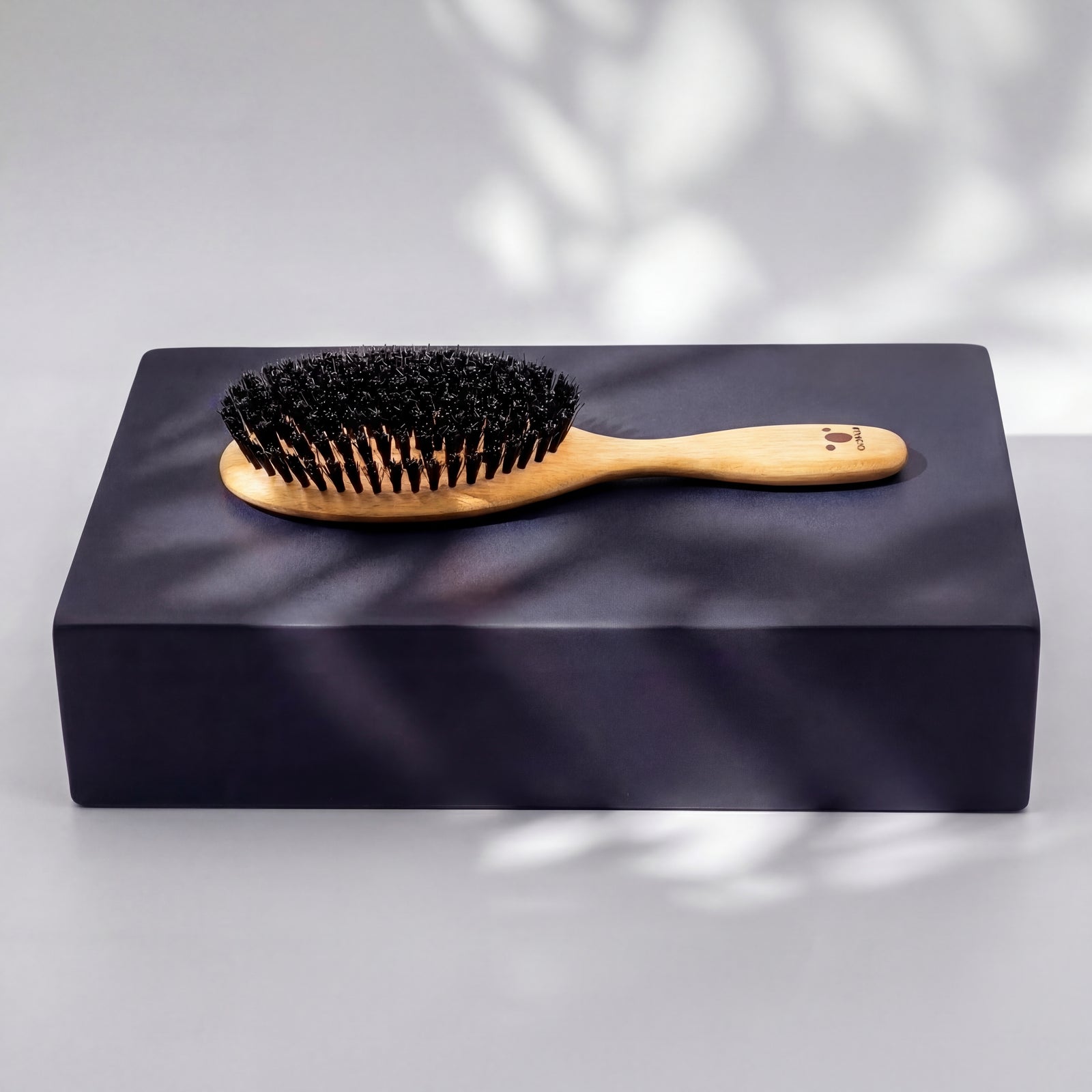
With creams and shampoos it is simple: no animal ingredients, no animal testing — done. With brushes the question is more complex, because the decisive material is the bristle. Traditional quality brushes have relied on animal protein structures for centuries, because these resemble human hair in their make-up. For an informed purchase it is essential to understand the exact differences between the raw materials used and to know which alternatives modern material science offers.
Animal bristle types (not vegan)
- Boar bristle — keratin structure similar to human hair
- Pig bristle — softer, often found in classic bath brushes
- Horsehair — robust hair from the horse's mane and tail
- Badger hair / goat hair — extremely fine structures, mostly used in shaving and painting brushes
Vegan bristle types (plant-based or mineral)
- Tampico fibre — obtained from agave leaves in Mexico; 100% plant-based
- Sisal — also made from agave species; structurally coarser than tampico
- Hornbeam wooden pins — precisely turned wooden pins from European hornbeam
- Zirconia alumina (mineral) — highly effective abrasive mineral for long-lasting callus files
Good to know: There is no uniform standard that labels brushes as “certified vegan”. QUOALA fully declares the bristles, the wood and every other component for each product.
An often overlooked point: not only the bristle but also the wood finish of a brush can contain animal-derived components. Classic wood treatments often rely on beeswax (cera alba), lanolin oil (from sheep's wool) or shellac-type lacquers. That means a brush with vegan tampico bristles can still fall short of fully vegan if the wooden handle was treated with beeswax. QUOALA uses exclusively vegan wood finishes — based on plant oils and natural resins with no animal-derived components.
Summary: what does vegan mean for brushes?
Vegan for brushes means: no animal bristles (boar, horsehair, pig bristle), no beeswax in the wood finish, no animal origin in any component. Since there is no uniform vegan seal for brushes, what counts is the manufacturer's complete material declaration — and that is what QUOALA provides.
2. Tampico fibre: the science behind the vegan agave fibre
Tampico fibre is obtained from the leaf ribs of two agave species: Agave lechuguilla and Agave funkiana, which grow on the Mexican high plateau. The fibre consists of cellulose and lignin with longitudinal hollow channels and a highly porous texture. This microscopic structure gives the fibre its exceptional strength and elasticity, which stays stable over years even under intensive exposure to moisture. [1]
- Hydrophilic — takes up water into its pore structure
- Heat- and acid-resistant — does not deform under high hairdryer heat
- Elastic and dimensionally stable — gives the brush a significantly longer life
- Biodegradable — plant fibre instead of nylon
Tampico agaves grow wild on the Mexican high plateau — without artificial cultivation, without pesticides and entirely without additional irrigation. Harvesting is done by hand and does not damage the plant permanently: agaves regenerate their leaves naturally over months. That makes tampico one of the few natural fibres whose raw-material extraction is structurally sustainable — not through artificial certification, but through biology alone.
QUOALA uses exclusively high-quality tampico fibre (not the cheaper, much rougher sisal) in its vegan brushes — a deliberate material decision for a more pleasant feel with uncompromising functionality in daily use.
Summary: tampico fibre
Tampico fibre from Mexican agave plants is hydrophilic, heat-resistant, elastic and fully biodegradable. It is rough and porous, stays grippy when wet and holds water and soap — without animal origin. It does not spread sebum the way a boar bristle does. QUOALA uses tampico exclusively, not sisal.
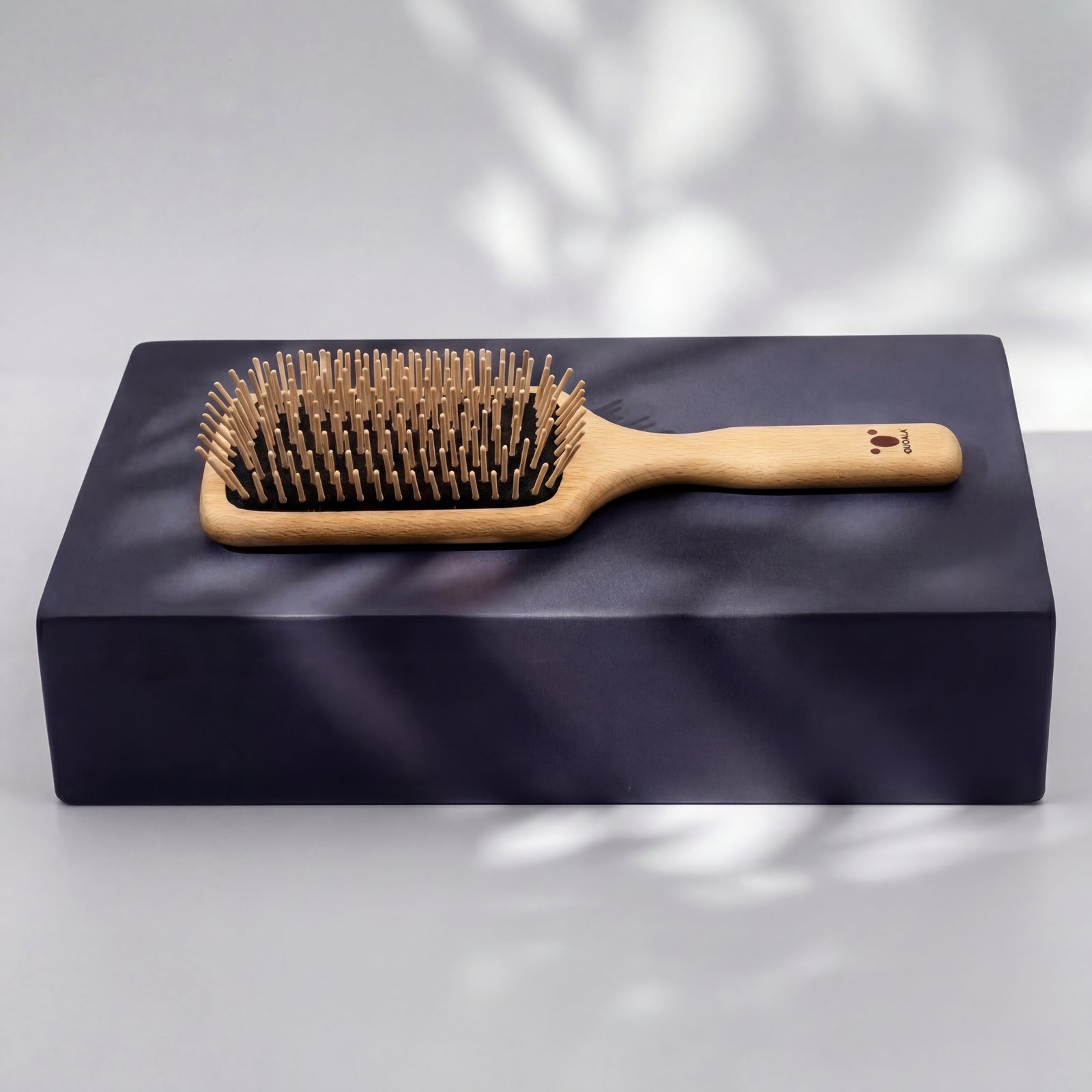
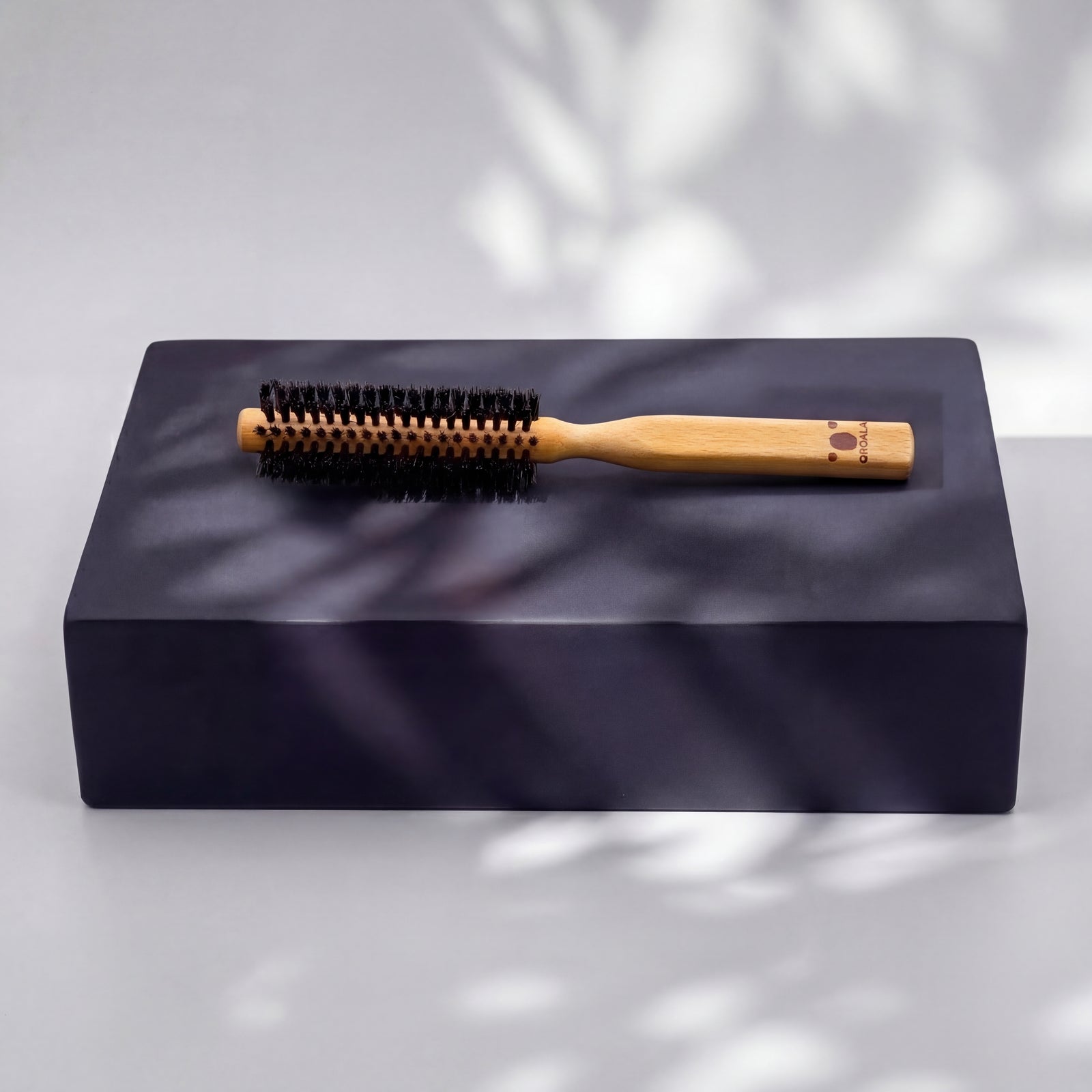
3. Hornbeam wooden pins: the plant-based route to the paddle brush
Hornbeam (Carpinus betulus) is one of the hardest European hardwoods. The precisely turned wooden pins glide gently over the scalp and offer a gentle scalp massage, without injuring the sensitive skin. [2] Unlike sharp-edged plastic pins, rounded wooden pins have a smooth surface that glides gently through the hair.
Why wooden pins and not nylon? Nylon pins are synthetic and not biodegradable [3]. Nylon bristles shed microplastics when brushing – measured on toothbrushes, not on hairbrushes [4]. Hornbeam wooden pins are FSC-certified, fully biodegradable and vegan by nature: no animal and no fossil crude oil.
Hornbeam (Carpinus betulus) belongs to the birch family and, despite the similar name, is not related to the common beech. It grows mainly as an understorey tree in sheltered European broadleaf forests, particularly in Germany, Austria and Switzerland. Its wood is considered the hardest native hardwood in Europe — harder than oak, harder than beech. This exceptional hardness makes hornbeam the ideal material for pins under heavy mechanical load, guided over the scalp every day while needing to stay resilient.
Summary: hornbeam wooden pins
Hornbeam wooden pins are the plant-based alternative to nylon pins in paddle brushes. Hard enough to work, smooth enough for the scalp — FSC-certified, biodegradable.
4. The GOTS soap pouch: vegan and organic textile
The soap pouch carries the renowned Global Organic Textile Standard (GOTS) — the world's leading standard for the processing of textiles made from organically produced natural fibres. [5] It defines strict environmental criteria along the entire production chain and at the same time requires compliance with comprehensive social criteria in the production facilities.
- Organic linen 70% — from GOTS-certified flax; purely plant-based, hard-wearing and naturally quick-drying
- Cotton 20% — natural fibre, part of the GOTS-certified fabric
- Elastane 10% — a synthetic, entirely vegan addition that provides the necessary lasting stretch
The deliberate material composition ensures that bar soaps or solid shampoos lather optimally inside the pouch. At the same time, the surface structure of the organic linen provides a gentle mechanical exfoliating effect on the skin that loosens dead skin cells, while massage briefly increases local skin blood flow, without causing irritation.
Summary: GOTS soap pouch
The soap pouch is the only textile product in the QUOALA range — and the only one with GOTS certification. 70% organic linen, 20% cotton, 10% elastane. No wool, no silk, no animal origin. Crafted in a GOTS-certified family-run business in Italy.
5. The 10 vegan QUOALA products at a glance
Here is an overview of all 10 vegan products in our range. Every tool was developed for maximum performance and longevity without compromising on materials. Worth highlighting is our monastery brush with fine bronze wires: tradition attributes an “ionising effect” to it. We have found no scientific evidence for this — so we do not promise it.
Body care


Hair care


Hand & foot care


Summary: the 10 vegan QUOALA products
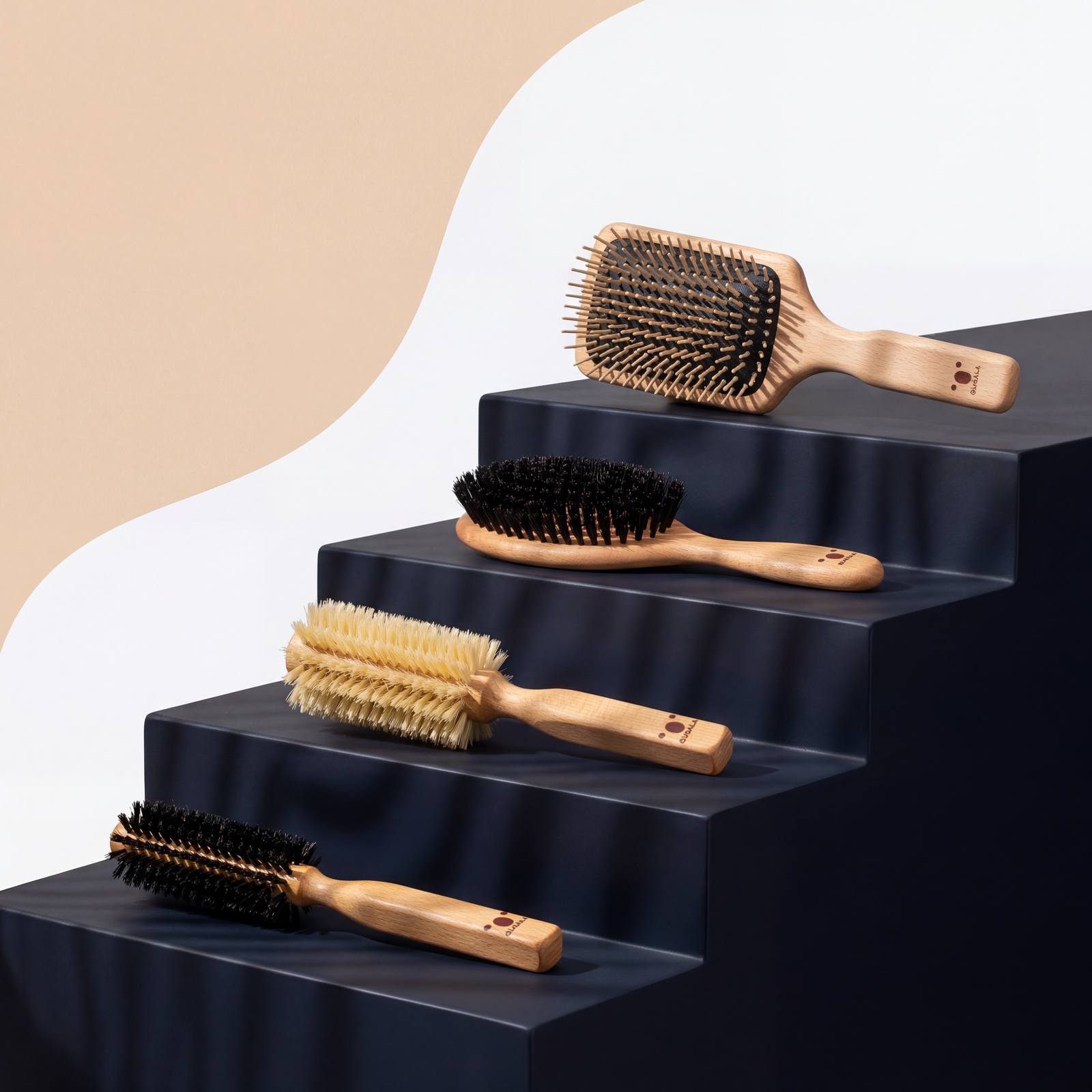
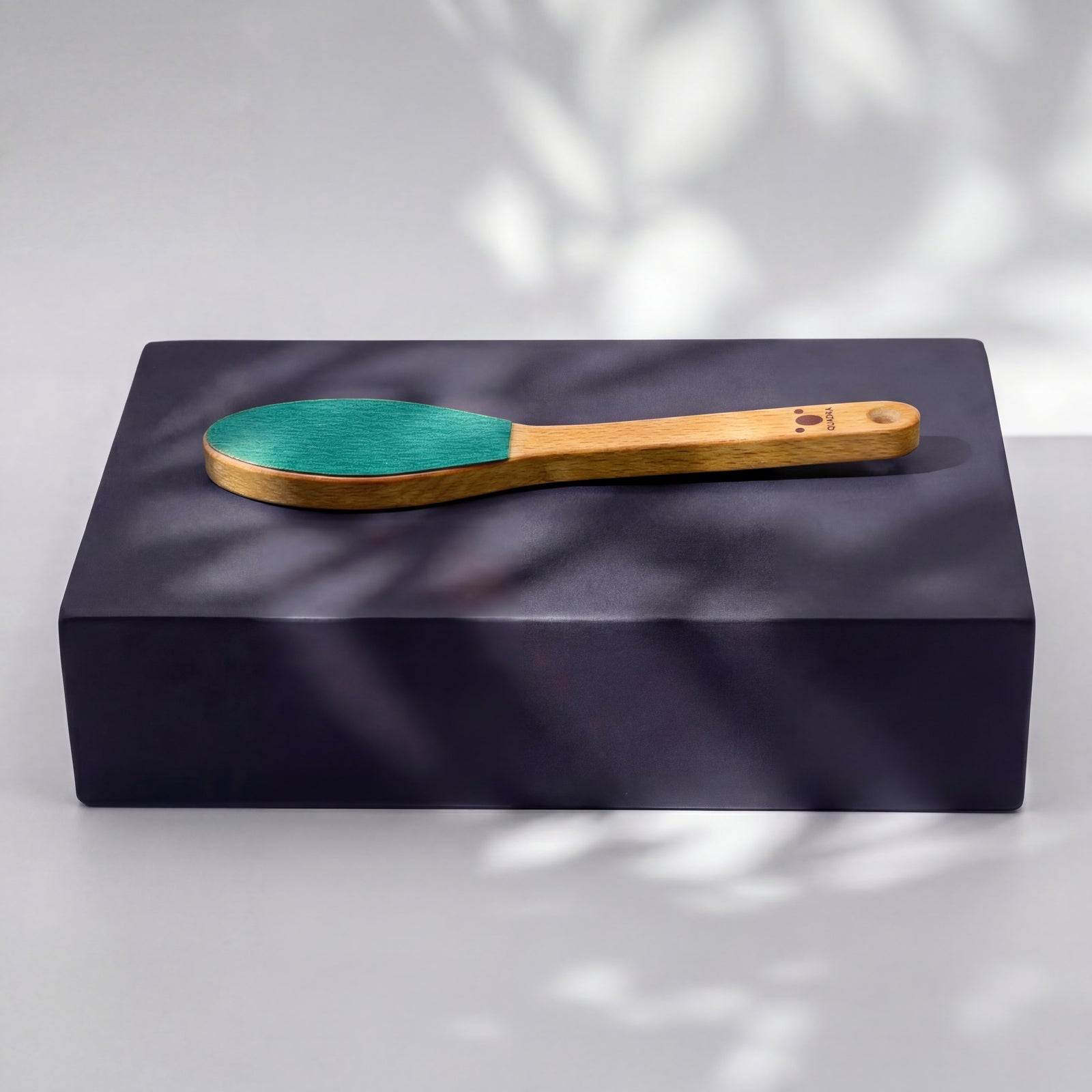
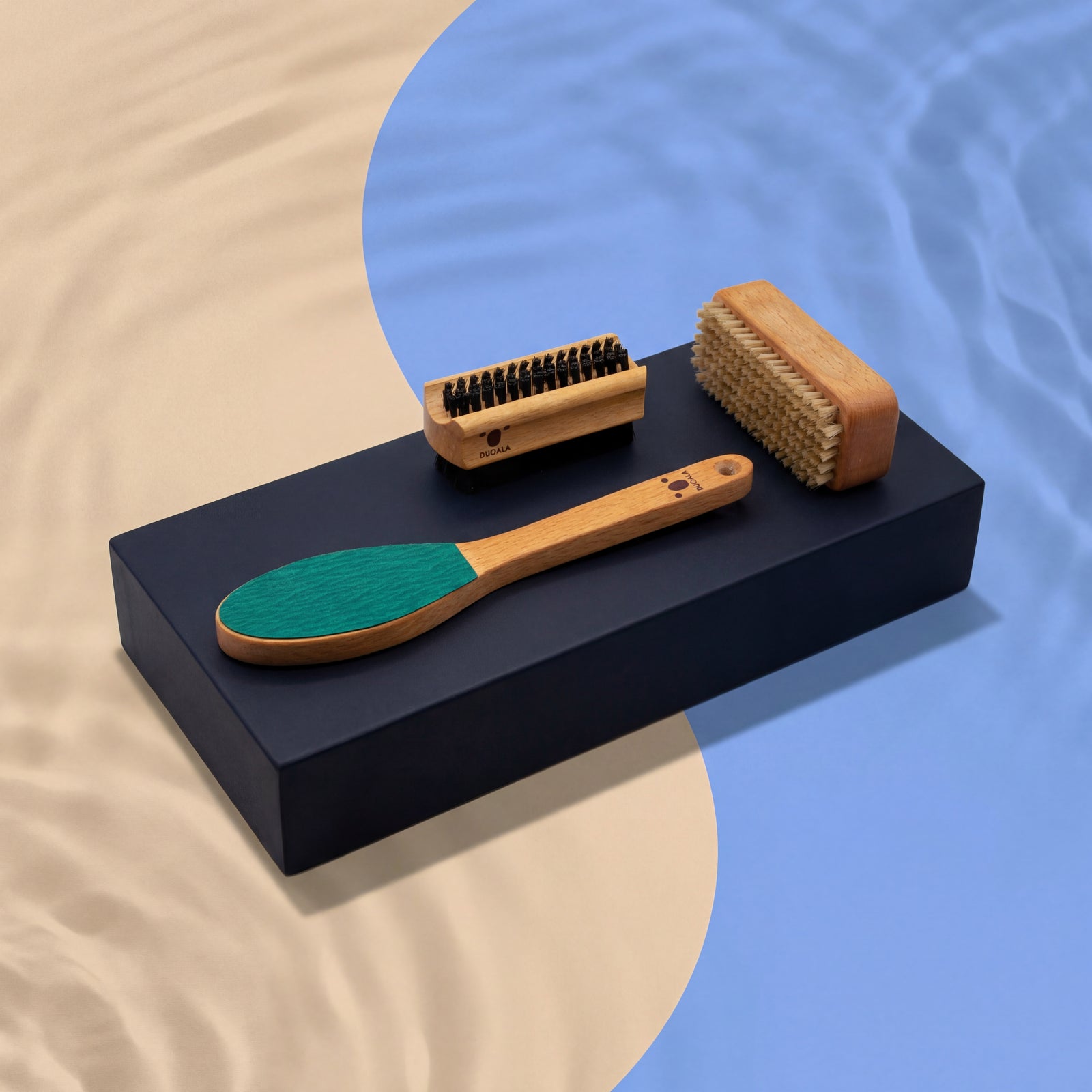
7 tampico brushes, 1 paddle brush with hornbeam wooden pins, 1 foot file with zirconia alumina and 1 GOTS soap pouch — all with FSC wood, all with a complete material declaration. No product uses animal bristles or animal-derived finishing agents.
6. Why FSC wood is part of the vegan decision
The FSC label (Forest Stewardship Council) identifies wood from responsibly managed forests. [6] For vegan consumers this is highly relevant: uncertified tropical timber or illegally logged wood destroys sensitive ecosystems on a large scale and with them the habitat of countless animal species. FSC wood is not automatically vegan by definition — but it is the most ethically coherent wood choice for a product conceived as vegan throughout.
The FSC label primarily addresses forestry — not the final wood finish. That is where another critical vegan checkpoint lies: many wooden brushes are polished with beeswax or treated with lanolin oil after machining, to protect the wood from moisture and seal it visually. Both are unmistakably animal by-products. QUOALA uses plant-based wood finishes in production without exception. This decision is not certified by a separate seal — but it is documented without gaps. If you want to see the full material declaration: every product page on quoala.ch lists all components used, including the detailed surface treatment.
Summary: FSC wood and the vegan decision
FSC-certified beech wood is the most ethically coherent wood choice for vegan brushes — because it protects habitats instead of destroying them. QUOALA uses exclusively FSC beech from European forestry, with a vegan wood finish free of beeswax or lanolin oil.
7. PETA Award 2026: what the trend really means
Brushes are an interesting special case in the vegan market — they are not short-lived consumables but long-lasting tools of daily care. A high-quality tampico bath brush, built to last, stands for a conscious decision every single day.
The PETA Vegan Award 2026 acts as a strong indicator of this market trend. It clearly shows that ethical consumption has left the niche of ingredients alone and now includes the tools of everyday life. For brands like QUOALA, this confirms the path taken: to offer absolute transparency on all raw materials, so that you as a customer can make an informed, confident choice in line with your personal convictions.
Discover all 10 vegan QUOALA products: Vegan Care collection.
Summary: PETA Award 2026 and the vegan shift
The PETA Vegan Award 2026 shows what the market already knows: vegan is no longer a niche. The difference with brushes: they are long-lived tools — a vegan choice that shows every day over years, not only at the next purchase.
8. Frequently asked questions
What does “vegan” mean in practice for hair brushes and bath brushes?
A vegan brush uses exclusively bristles of plant or mineral origin — no animal bristles whatsoever (such as boar, horsehair or pig bristle). At QUOALA that means in practice: tampico fibre instead of classic animal bristles, precisely turned hornbeam wooden pins instead of keratin bristle structures, and FSC-certified wood for the ergonomic handle.
What is tampico fibre and why is it an alternative to animal bristles?
Tampico fibre is obtained from the robust leaf fibres of Agave lechuguilla. Its surface is rough, porous and water-loving, so it stays grippy when wet and holds water and soap – entirely without animal origin [1]. It does not spread sebum the way a boar bristle does.
Which QUOALA products are vegan?
Exactly 10 products in our range are fully vegan: bath brush tampico without cord, bath brush tampico with cord, monastery brush / dry brush bronze & tampico, soap pouch organic linen GOTS, hair brush large tampico, paddle brush hornbeam wooden pins, blow-dry brush medium tampico, hand & nail brush tampico (double-sided), tradesman's brush tampico and the pedicure foot file 3M zirconia alumina. All materials are of plant or mineral origin — no animal components.
Are vegan tampico brushes just as effective?
For intensive body care (bath brushes or dry massage) the answer is yes. With hair brushes there are subtle structural differences: classic boar bristle has very specific sebum-distribution properties that a plant-based tampico fibre cannot replicate 100% identically because of its molecular structure. QUOALA always communicates these functional differences transparently.
What is the difference between “vegan” and “cruelty-free”?
“Vegan” means the product contains no animal ingredients or by-products. “Cruelty-free” means no animal testing was carried out during the entire development process. The two criteria can apply independently of each other. QUOALA's vegan products contain no animal components, and no animal testing is involved in making brushes.
The vegan QUOALA collection
10 brushes and care products without animal components — tampico, hornbeam wooden pins, GOTS linen. Brushes made of FSC wood, crafted in a family-run business in Germany; soap pouch from a GOTS-certified family-run business in Italy.
Sources and further reading
Scientific sources
- Almohamad, Drean, Peschel & Harzallah (2026), Structural and Mechanical Characterisation of Five Agave Fibres for Sustainable Textile Applications, Fibers. Agave fibres such as tampico are rough, porous and water-loving; no measurements on skin or hair. Our assessment M6 · Source
- Miyaji, Sugimori & Hayashi (2018), Short- and long-term effects of using a facial massage roller on facial blood flow and vascular reactivity, Complementary Therapies in Medicine. Massage increased skin blood flow; measured with a facial roller, not with a brush. Our assessment S2 · Source
- Collie, Brorens, Hassan & Fowler (2024), Marine Biodegradation Behavior of Wool and Other Textile Fibers, Water, Air, & Soil Pollution. In seawater, wool and viscose biodegraded, nylon and polyester did not. Our assessment S53 · Source
- Öztürk Aytulun et al. (2025), Preliminary results on microplastic release from commercial toothbrushes during simulated brushing, Microchemical Journal. Nylon bristles shed microplastics during simulated brushing; measured on toothbrushes, not on hair or body brushes. Our assessment S68 · Source
- Global Organic Textile Standard (2023), GOTS Version 7.0, Global Standard gGmbH. Standard for textiles made from organically produced natural fibres, from raw material to finished product. Our assessment S16 · Source
- FSC International (2024), FSC standards for certified wood and product labelling. FSC labels wood from responsibly managed forests. Our assessment S14 · Source
External literature (further reading)
- PETA Germany (2026), Vegan Award Beauty 2026 — die Gewinner (German). Award by an animal rights organisation, not a study. peta.de
- FSC Switzerland (2026), Drei Fragen an QUOALA (German). Interview with founder Gregory Basmadjian on material choice and FSC wood. fsc-schweiz.ch