















Body brushing works – but not in the way the beauty industry often sells it. Mechanical exfoliation and increased blood flow are backed by evidence; that slow, gentle stroking with a soft brush has a calming effect has been measured. Many of the loud beauty promises about lymph, connective tissue and metabolism, on the other hand, are not.
This guide separates ten noticeable, evidence-based effects from the myths – with studies, not promises.
Key points in brief
- Body brushing delivers two effects backed by evidence – mechanical exfoliation [1] and more local blood flow [2] – and a third that has been measured: slow, gentle stroking with a soft brush increases heart rate variability, a sign of relaxation [3].
- Cellulite promises are a myth – but the skin can look smoother for a short time after brushing because blood flow increases.
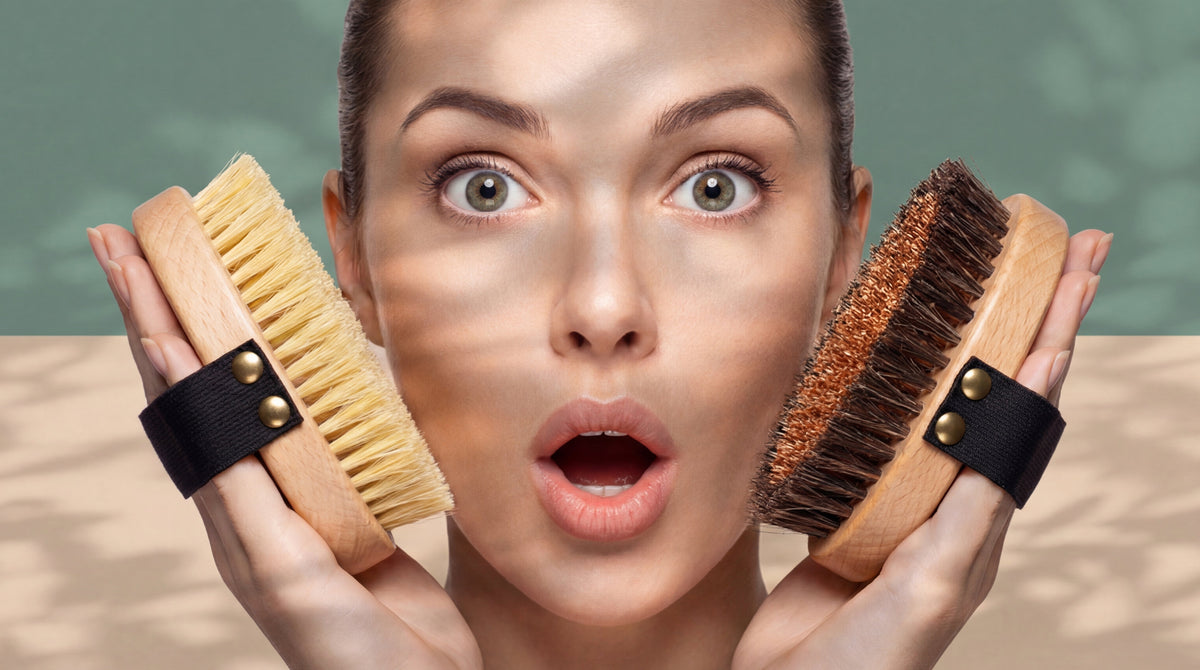
- The right tool multiplies the effect: bath brush for daily exfoliation and blood flow, ionic monastery brush for the more intense skin feel of the bronze wires.
Contents of this guide:
1. Ten noticeable benefits for your daily routine
If you make brushing a regular part of your day, you will quickly feel and see changes:
- The wake-up kick: Gets you going and helps you feel more awake.
- Local blood flow: Massage briefly increases local skin blood flow.
- Natural exfoliation: Removes dead skin flakes mechanically, with natural fibres.
- Skin renewal: Supports cell renewal for noticeably smoother skin.
- Deeper care: Body oils applied afterwards can absorb better.
- Stress reduction: This daily ritual lowers your stress level.
- Calm: Slow, gentle strokes with a soft brush increase heart rate variability – a sign of relaxation [3].
- Lymph support: Strokes towards the heart can mechanically support lymph flow.
- Leg care: Can ease the heavy feeling in tired legs – as a pleasant addition, not as a medical therapy.
- Relaxation ritual: The gentle pressure and the rhythm of brushing help you let go of the day.
In short: Ten noticeable benefits – from feeling more awake and better blood flow to a relaxation ritual – that are easy to fit into everyday life.
2. The 3 scientific pillars: why it works
The points above are not magic; they rest on three pillars from dermatology and physiology:
Pillar 1: mechanical exfoliation
The top layer of our skin consists of dead cells. As we get older, this shedding process slows down. According to Harvard Health Publishing, mechanical exfoliation is a fundamental principle: it removes the barrier of dead cells and signals to the deeper layers of the skin to stimulate the production of new cells [1].
Pillar 2: Local skin blood flow
Massage measurably increases local blood flow to the skin surface for a short time [2].
Pillar 3: the mechanobiology of the nervous system
Our skin is full of receptors. Studies suggest that regular massage can lower stress values (measured for scalp massage) [4] and that slow stroking with a soft brush has a measurably calming effect [3].
In short: Three pillars – exfoliation, blood flow and the calming effect of gentle touch – explain why you really feel the effects.
3. Facts vs. myths: lymph and cellulite
Let's be honest about the two biggest beauty promises:
The claim: “Brushing gets rid of cellulite”
MYTH. No study shows that dry brushing breaks down structural fat. But: Thanks to the strong blood flow, the skin is temporarily “plumped up”, which makes dimples look smoother for a short time [5].
The claim: “It activates lymph flow”
PROBABLY. We know from physiotherapy that gently stretching the skin towards the heart opens the initial lymph vessels. Brushing towards the heart can therefore support the natural lymph flow [6]. This was measured for manual techniques used by therapists, not for brushes.
In short: Lymph support is physiologically plausible; making cellulite disappear is a myth – but the skin can look fresher for a short time thanks to increased blood flow.
4. Which QUOALA tool delivers which results?
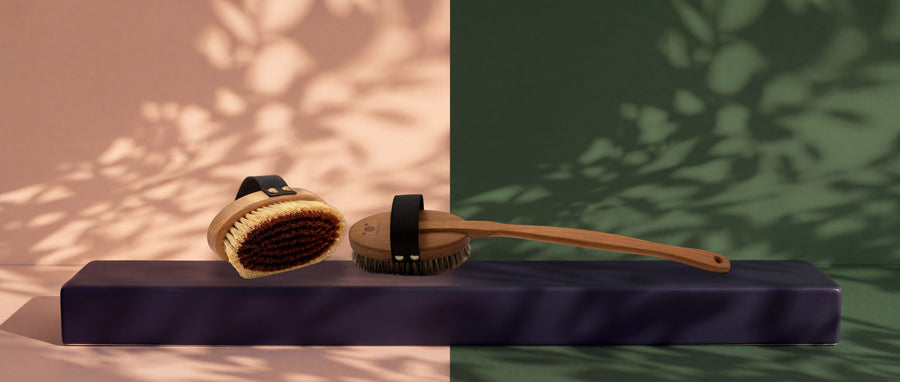
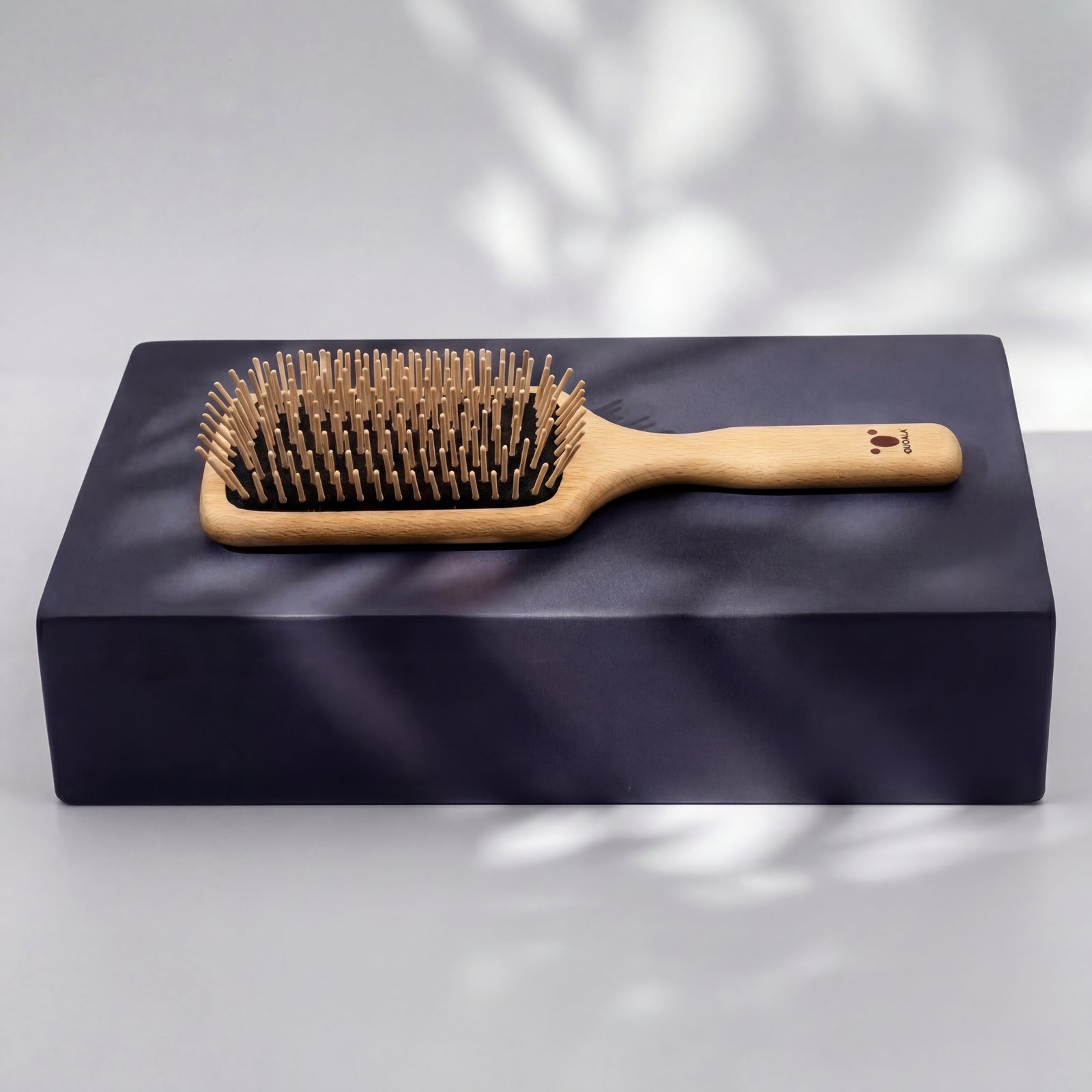
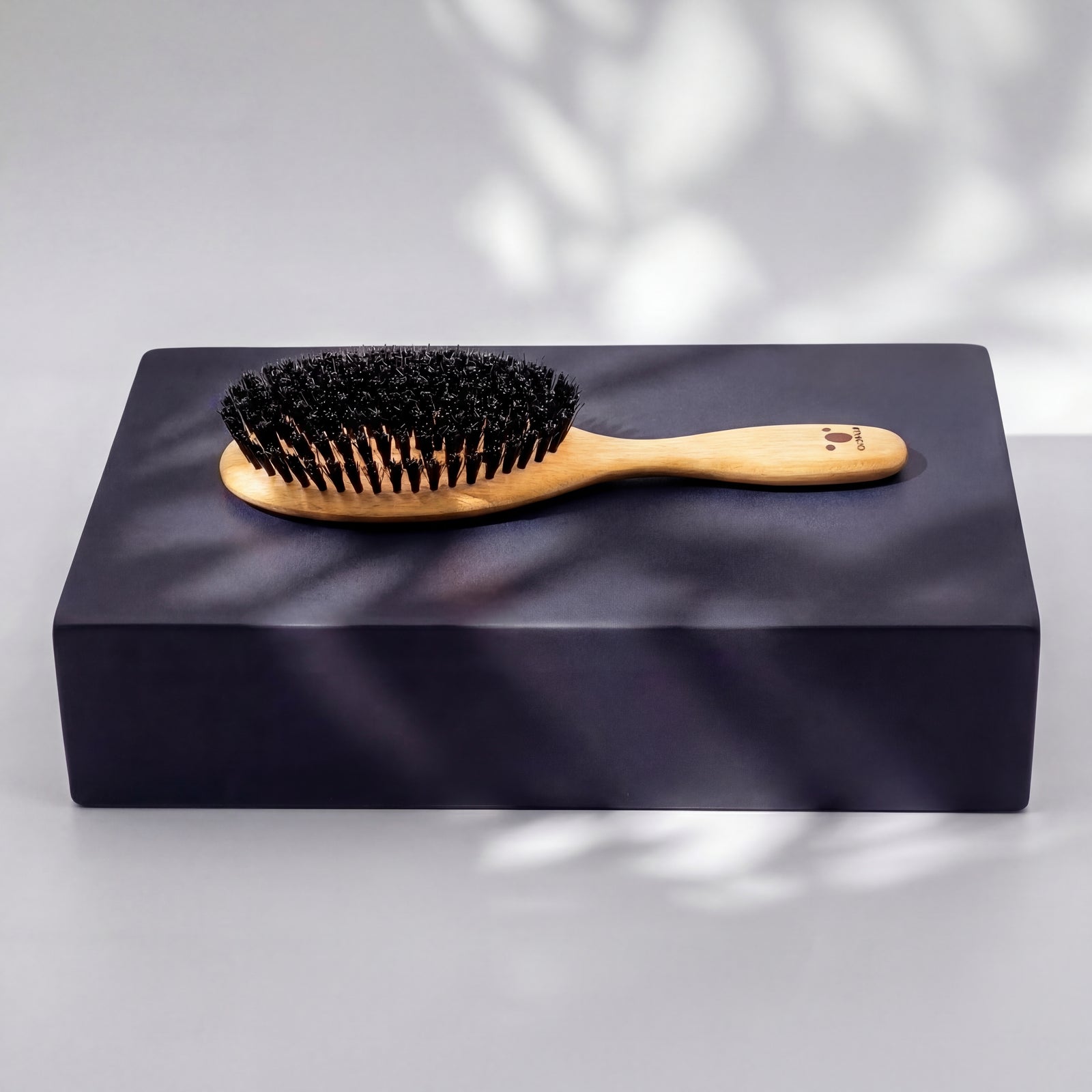
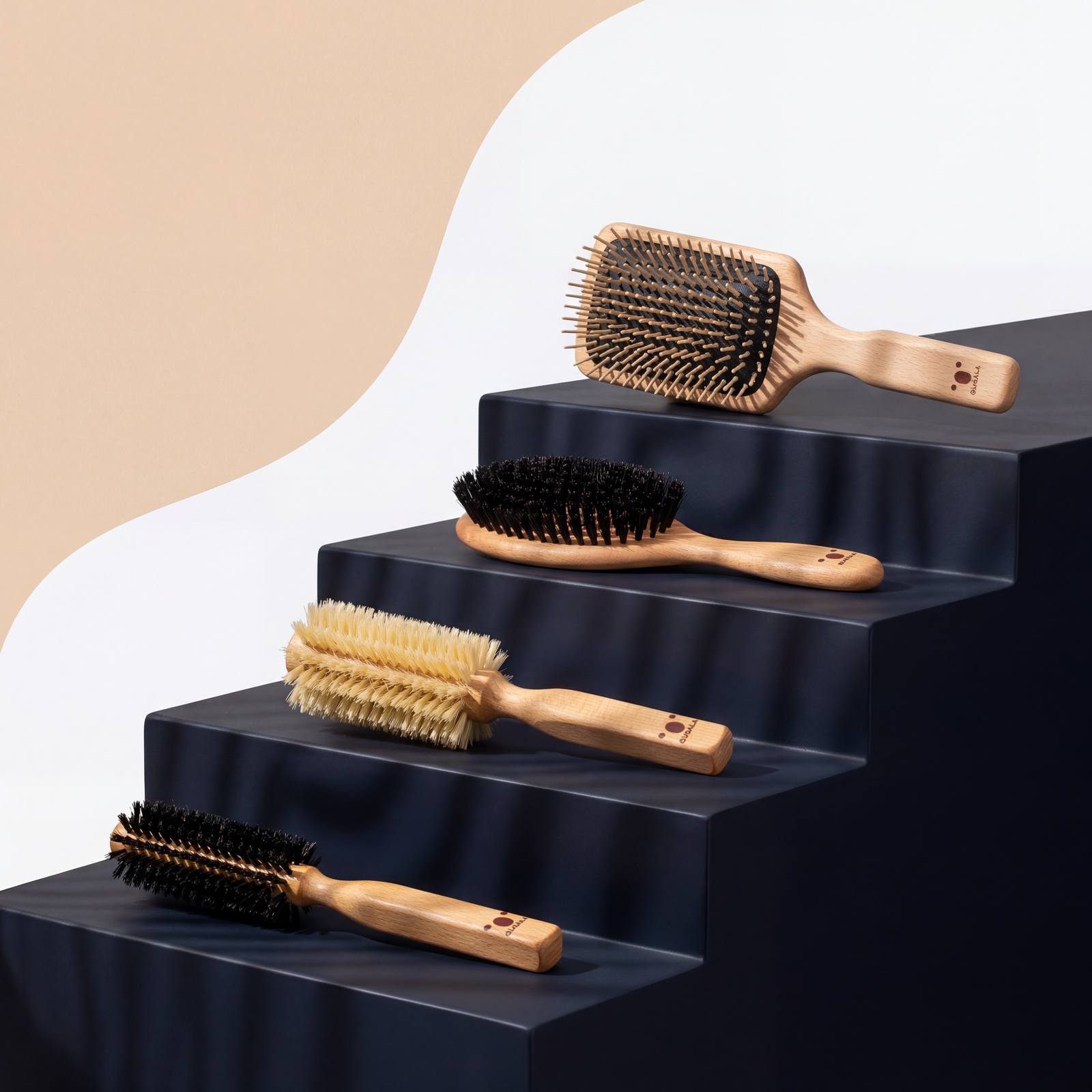
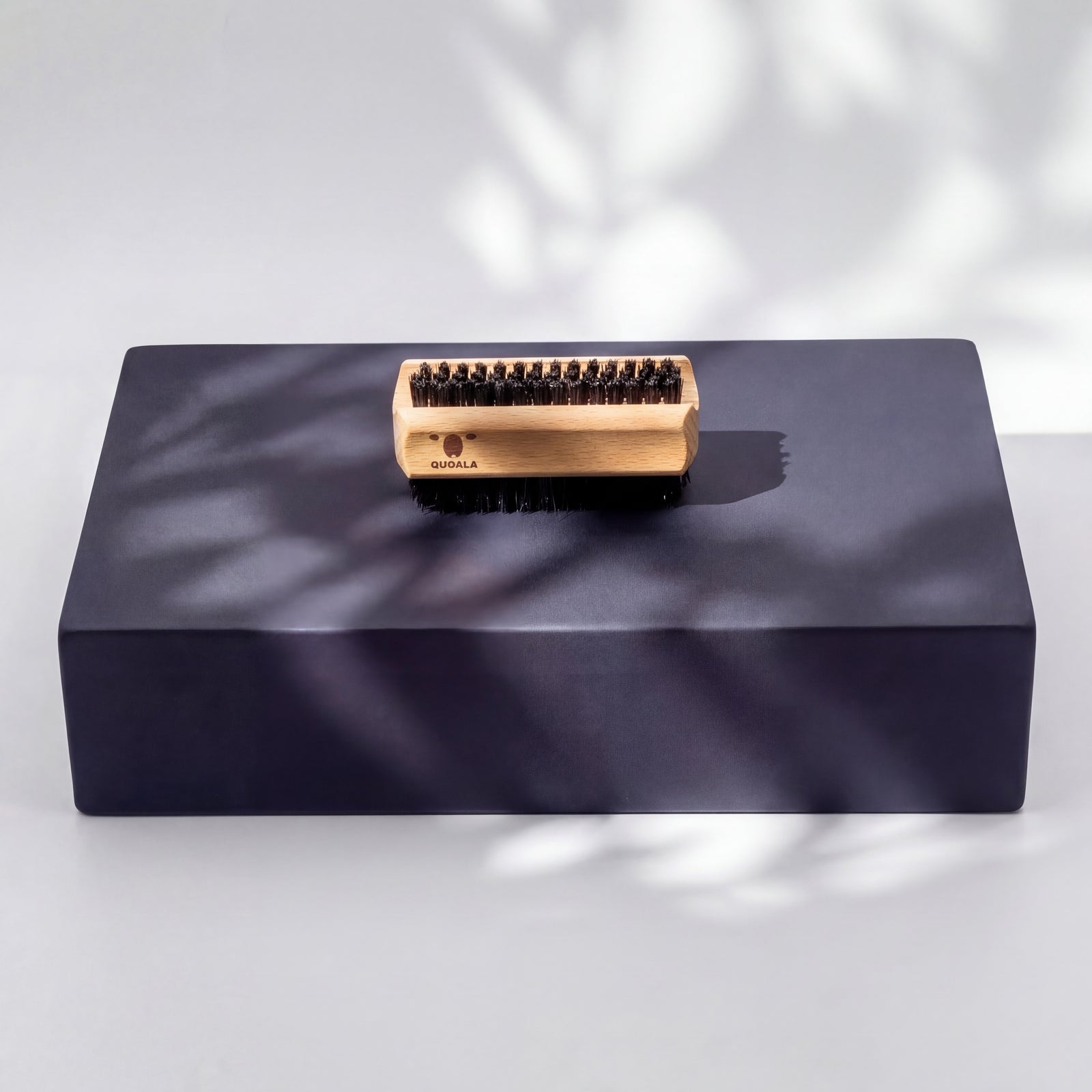
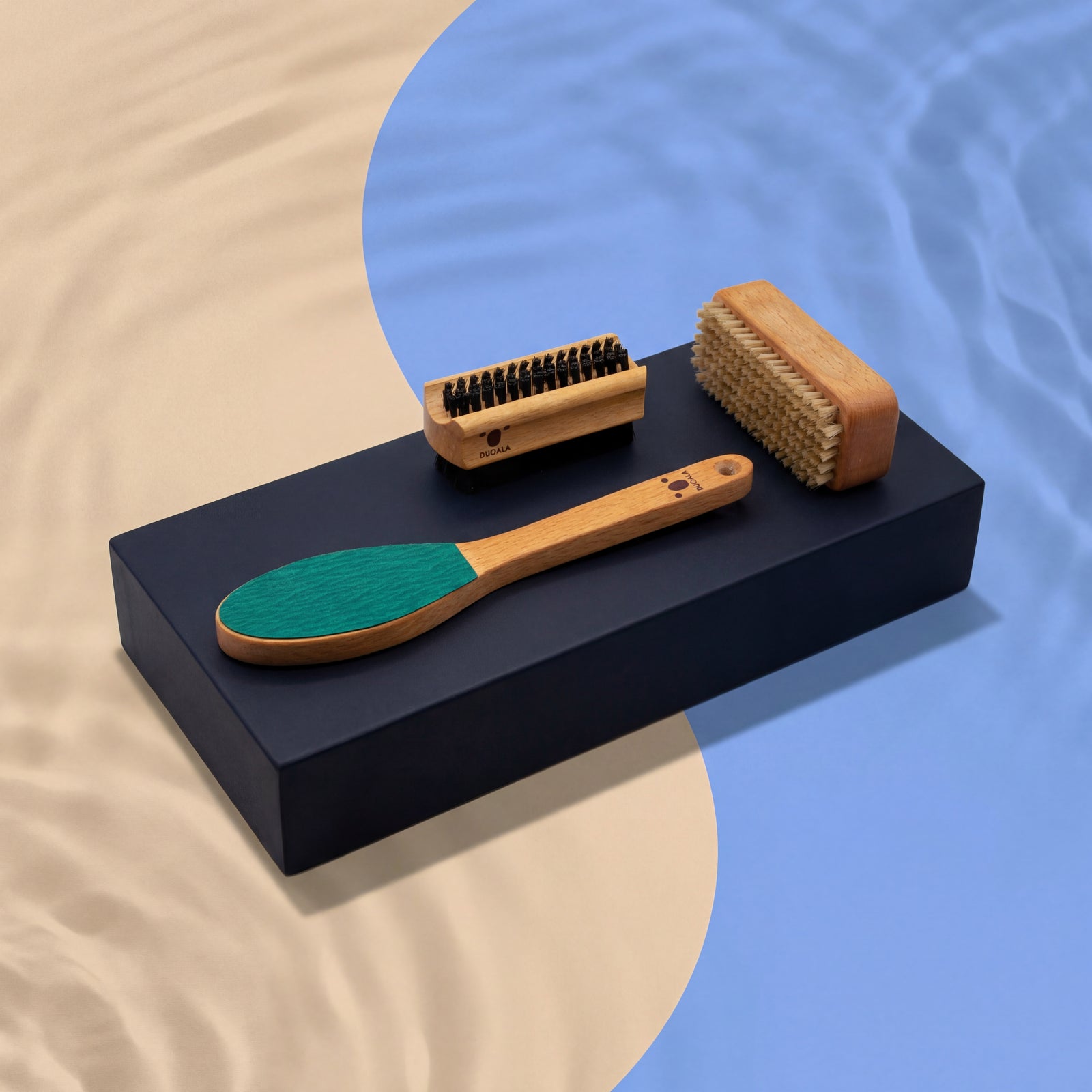
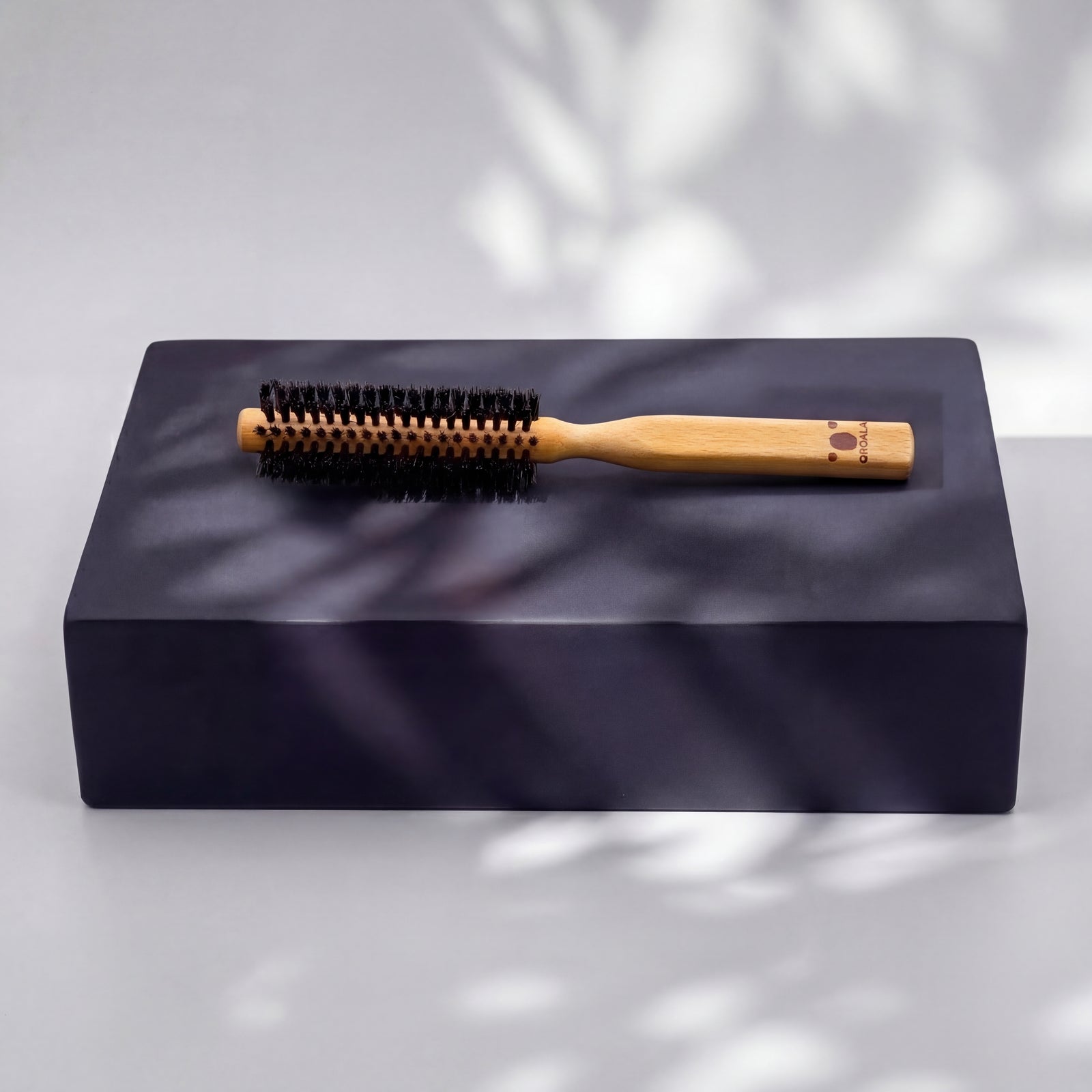
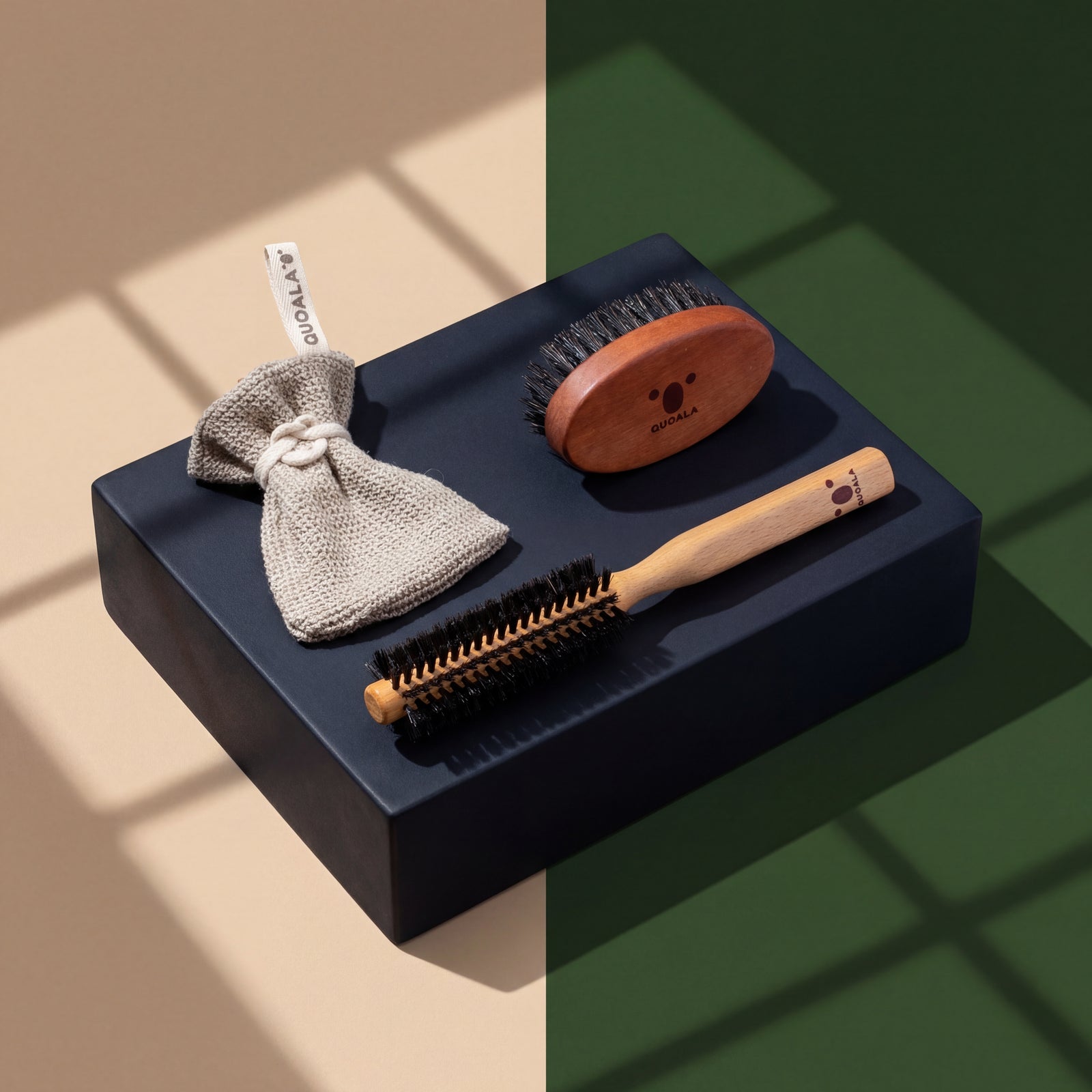
To make use of these benefits, you need the right tool. Our brushes are manufactured in a family-run business in Germany from FSC beech wood:

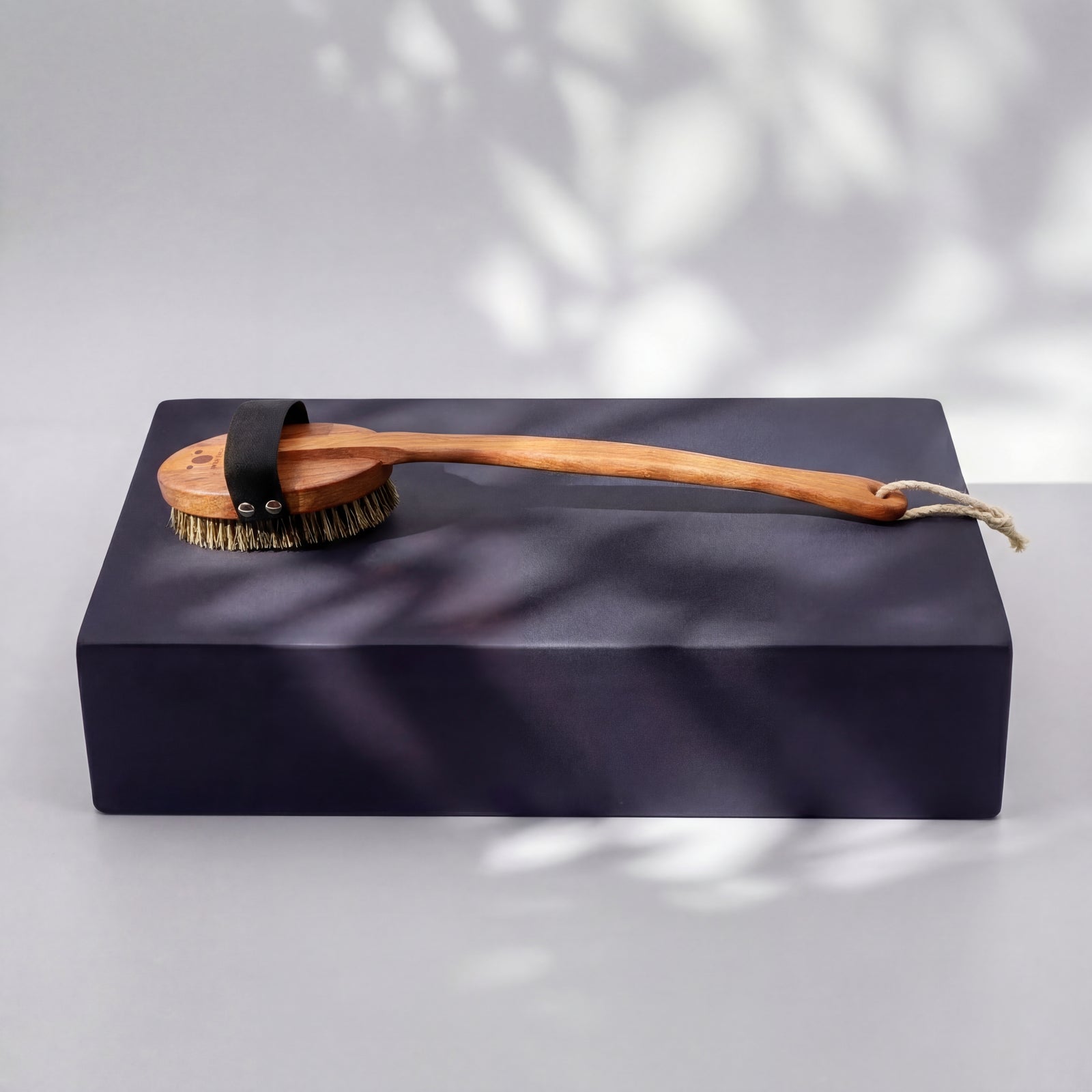
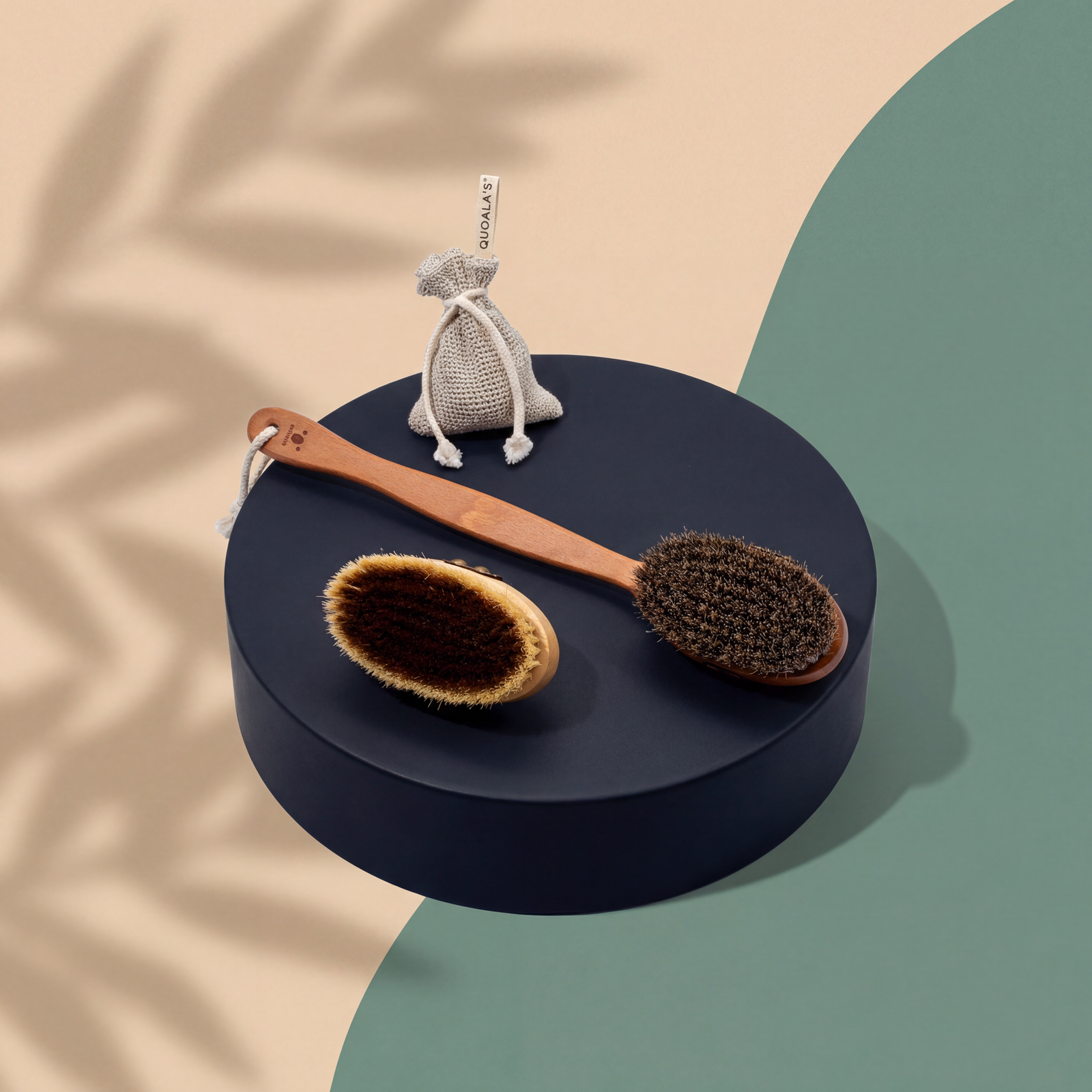
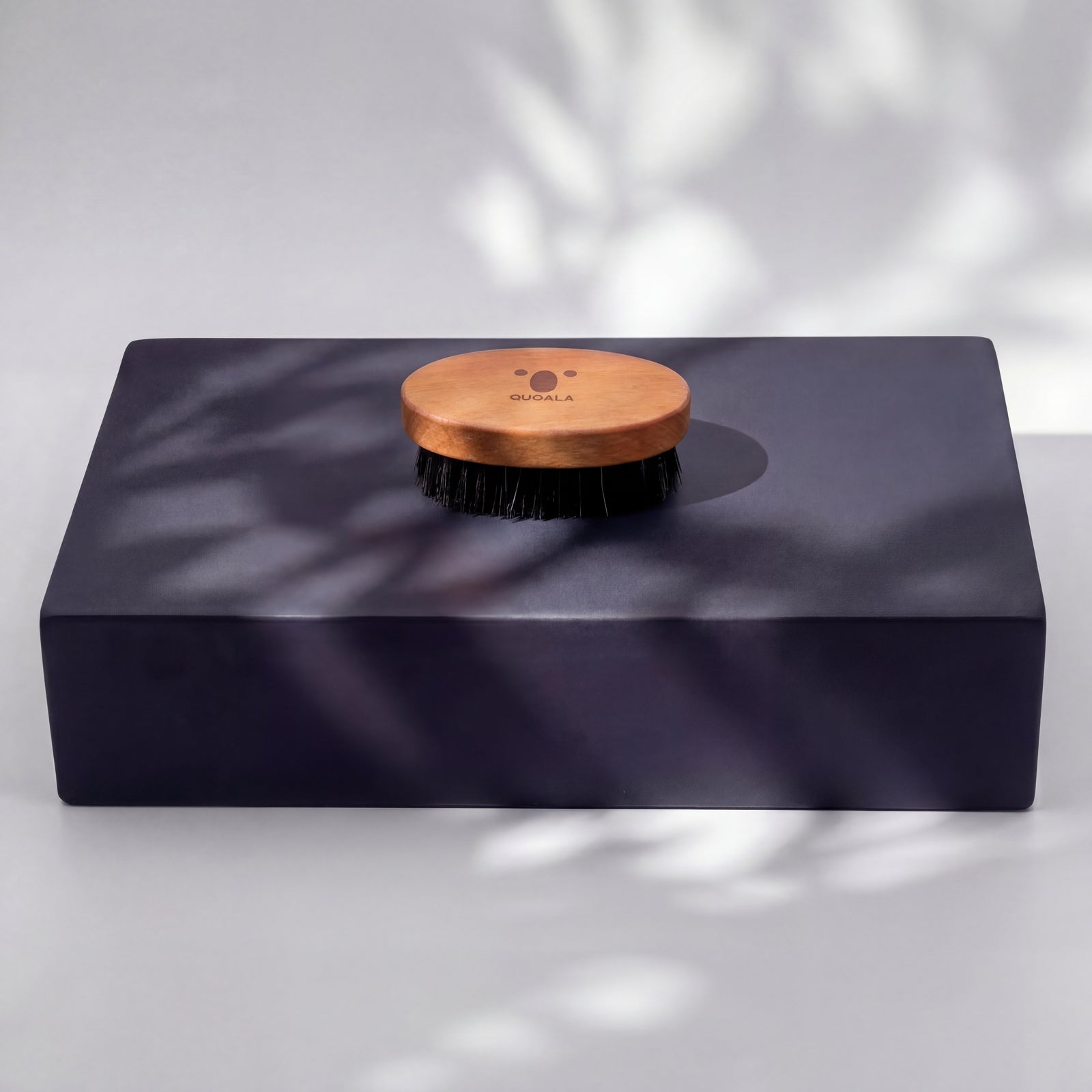
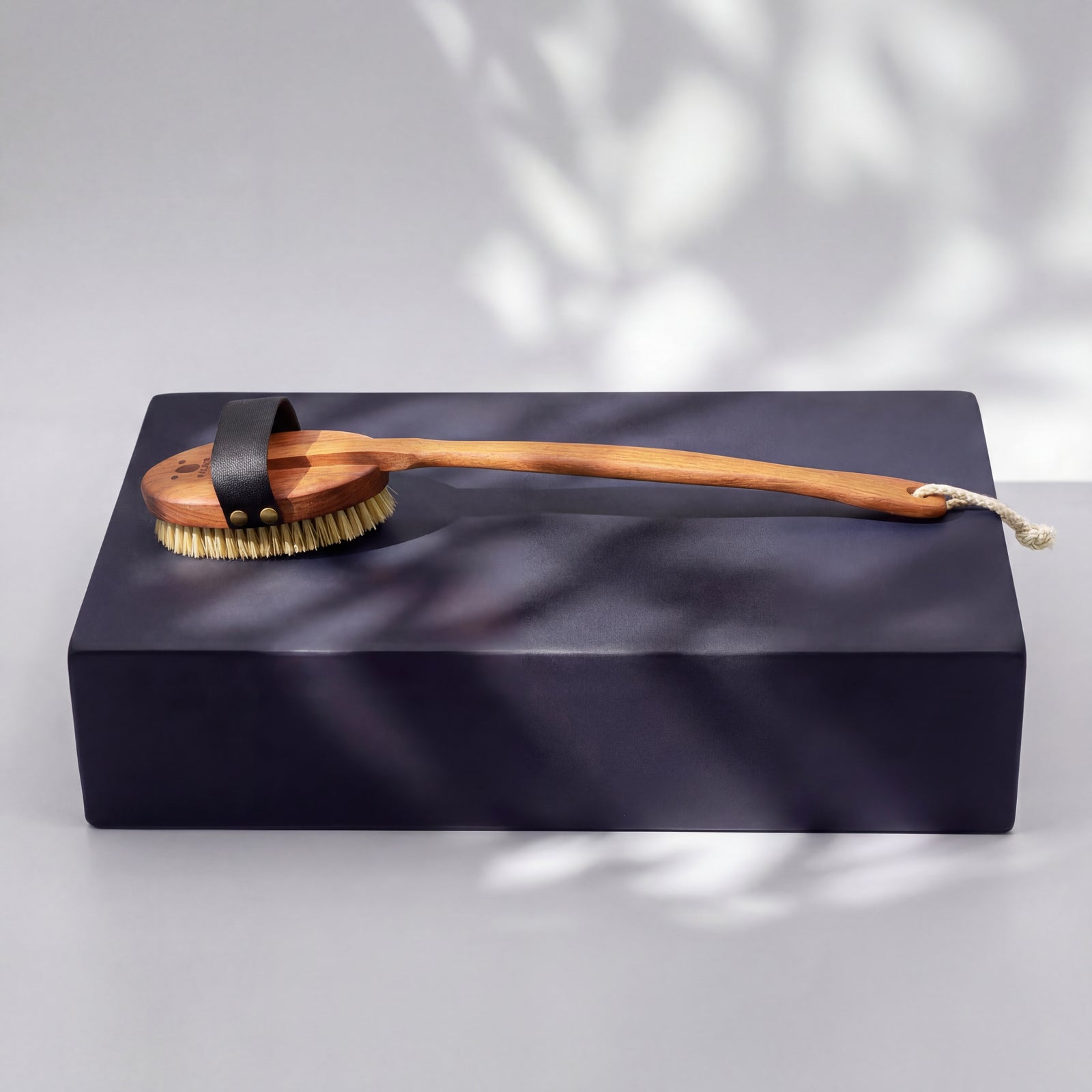
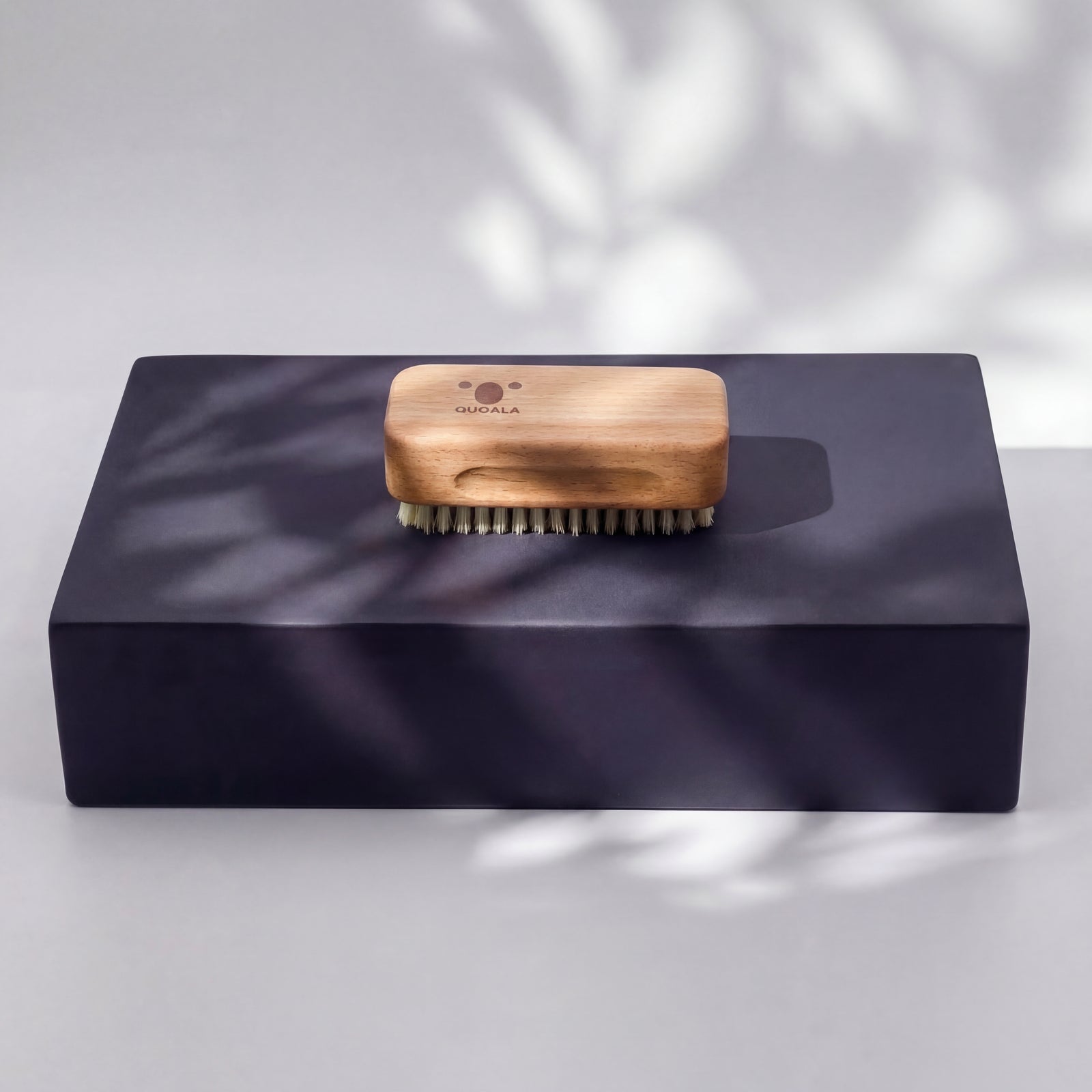
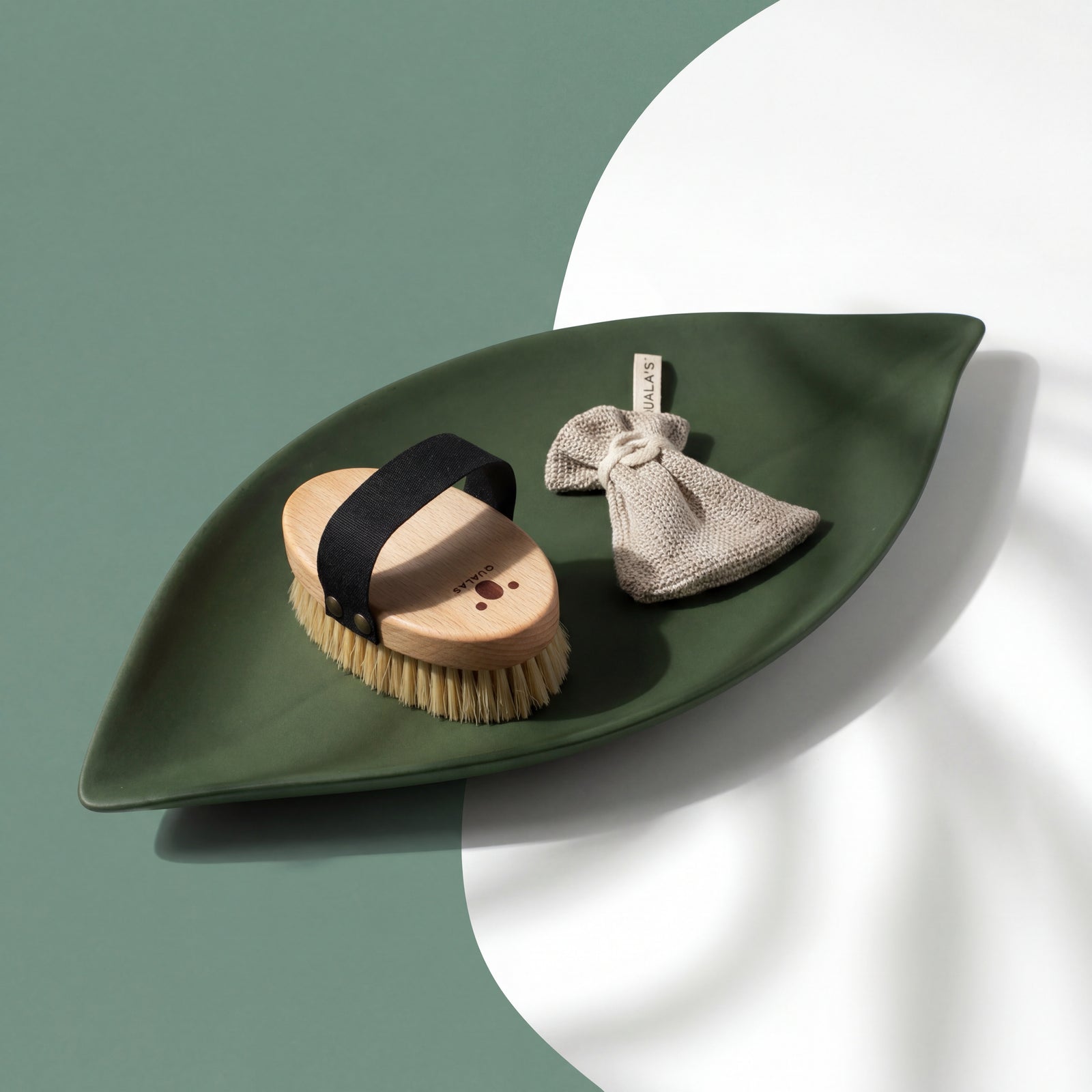
The classic bath brush (wet & dry)
Your all-rounder for daily exfoliation and a boost in blood flow. Discover now
- Soft: Pure pig bristles – for very sensitive skin.
- Medium: Horsehair & Tampico – the perfect balancing act.
- Firm (vegan): 100% Tampico (agave fibre) – maximum exfoliation.

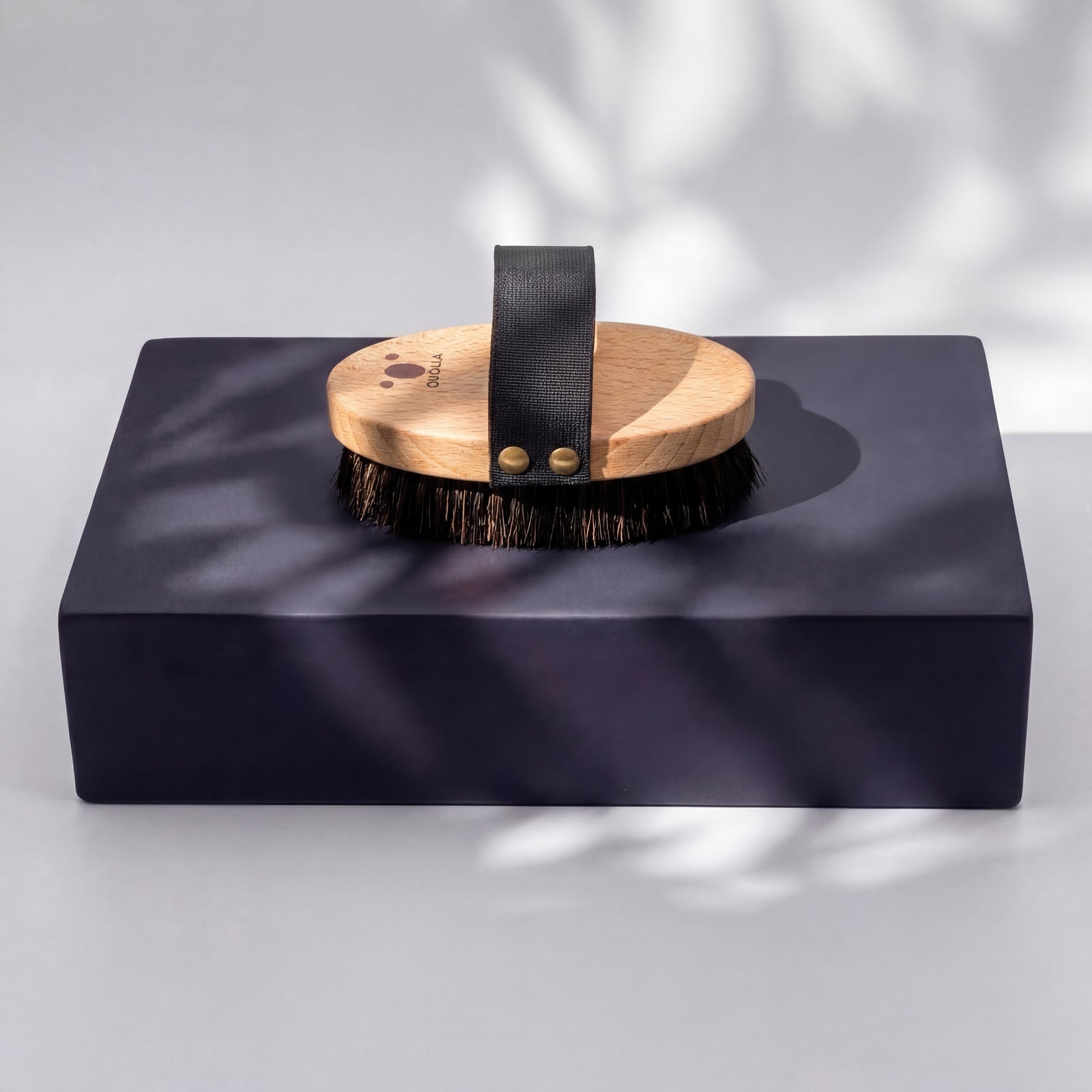
The ionic monastery brush (dry use only)
This premium tool uses fine bronze wires. The wires are made of genuine bronze (copper-tin). Discover now
- Medium: Bronze & horsehair.
- Firm (vegan): Bronze & Tampico.
Why genuine bronze matters – not brass
The heart of the ionic monastery brush is its ultra-fine metal wires. QUOALA uses only the finest bronze (copper-tin alloy) – fully recyclable.
Many cheap competing products use brass (copper-zinc alloy) – cheaper to produce. We deliberately use genuine bronze (copper-tin).
How to recognise it: Genuine bronze has a warm, slightly reddish-gold colour and develops a subtle brownish patina over time. If a product does not explicitly state “bronze (copper-tin)”, it is probably brass.
In short: Bath brush for the daily exfoliation and blood-flow routine, ionic monastery brush for the more intense skin feel of the bronze wires – for the best results, the right tool for the right purpose.
Conclusion: You don't need promises to feel good in your skin. A few minutes of body care, an exfoliation and a boost in blood flow are all it takes to noticeably improve your well-being.
5. Frequently asked questions
How often should I brush my skin with the body brush?
For most skin types, daily use for 3–5 minutes before showering is recommended. If you tend to have dry or sensitive skin, start with 2–3 times a week and increase the frequency gradually.
Should I use the body brush dry or wet?
Dry brushing before the shower has the strongest exfoliating and blood-flow effect. Wet use is milder and suits sensitive skin.
Which direction is the right one?
Long, sweeping strokes towards the heart. This follows the path of venous return and can mechanically support lymph flow.
Does body brushing really get rid of cellulite?
No. What can happen: thanks to the increased blood flow, the skin can look plumper and smoother for a short time. That is a cosmetic effect, not a medical treatment.
How do I clean my body brush?
Rinse bath brushes thoroughly with clean water after wet use and allow them to dry in a well-ventilated area. Monastery brushes must never be cleaned with water, but only tapped out dry.
Which QUOALA body brush is suitable for sensitive skin?
Our soft bath brush with pig bristles. Start on less sensitive areas of the body such as the shins or forearms.

Start your care ritual
Discover our body care collections. Find the right tool made from FSC wood and natural fibres.
Sources and further reading
Scientific sources
- Harvard Health Publishing (2024), Have you exfoliated lately? Exfoliation removes dead skin cells. Our assessment S1 · Source
- Miyaji, Sugimori & Hayashi (2018), Short- and long-term effects of using a facial massage roller on facial blood flow and vascular reactivity, Complementary Therapies in Medicine. A facial massage roller increased local blood flow; not measured with brushes. Our assessment S2 · Source
- Triscoli et al. (2017), Heart rate variability is enhanced by long-lasting pleasant touch at CT-optimized velocity, Biological Psychology. Slow stroking with a soft brush increased heart rate variability. Our assessment S55 · Source
- Kim et al. (2016), Journal of Physical Therapy Science. Scalp massage by hand, 34 women, 10 weeks. Our assessment S18 · Source
- Cleveland Clinic (2021): The Truth About Dry Brushing and What It Does for You. A dermatologist's view of what dry brushing can and cannot do. Our assessment S77 · Source
- Vairo et al. (2009), Systematic Review of Efficacy for Manual Lymphatic Drainage Techniques in Sports Medicine and Rehabilitation, Journal of Manual & Manipulative Therapy. Review of manual techniques for the lymphatic system; not measured with brushes. Our assessment M7 · Source