



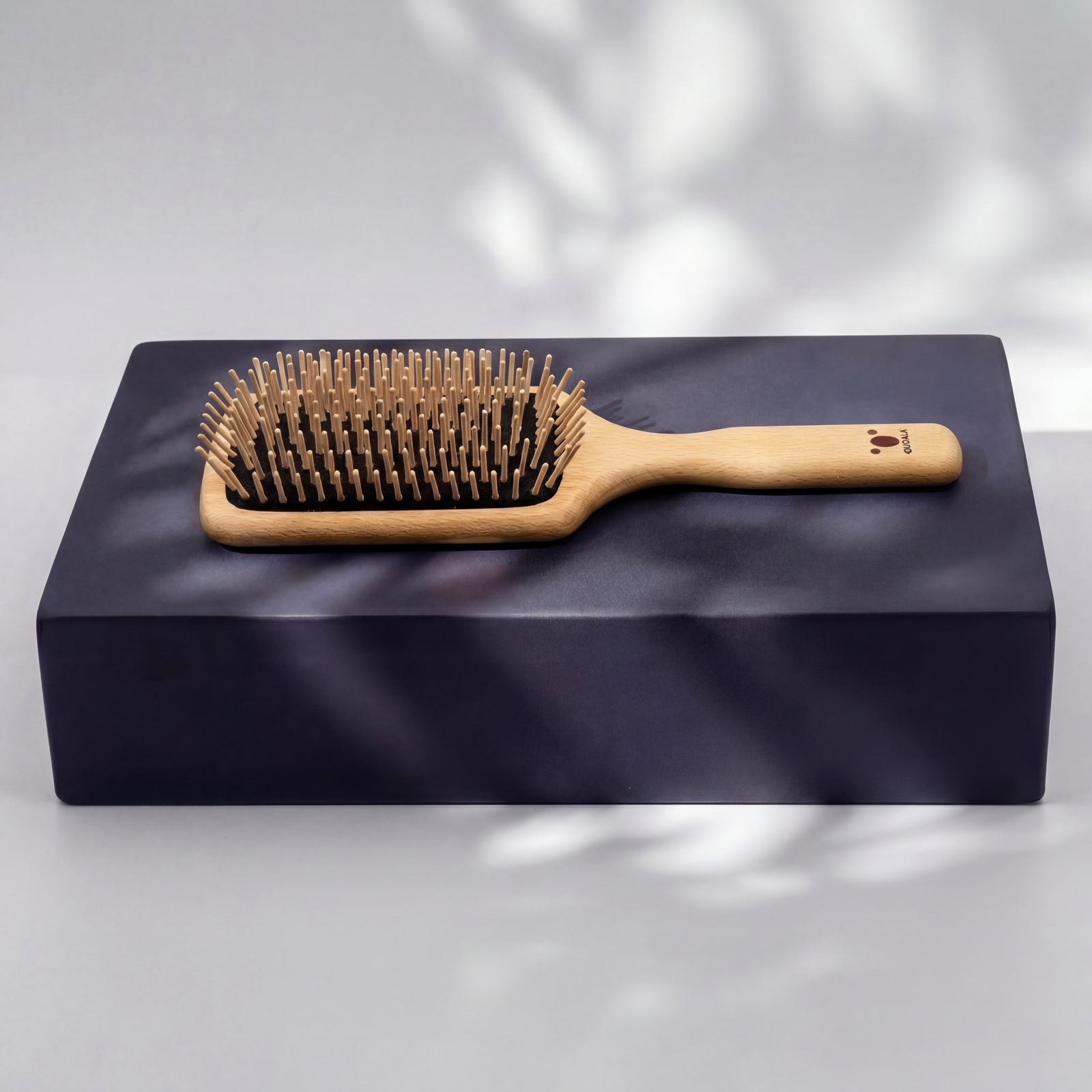

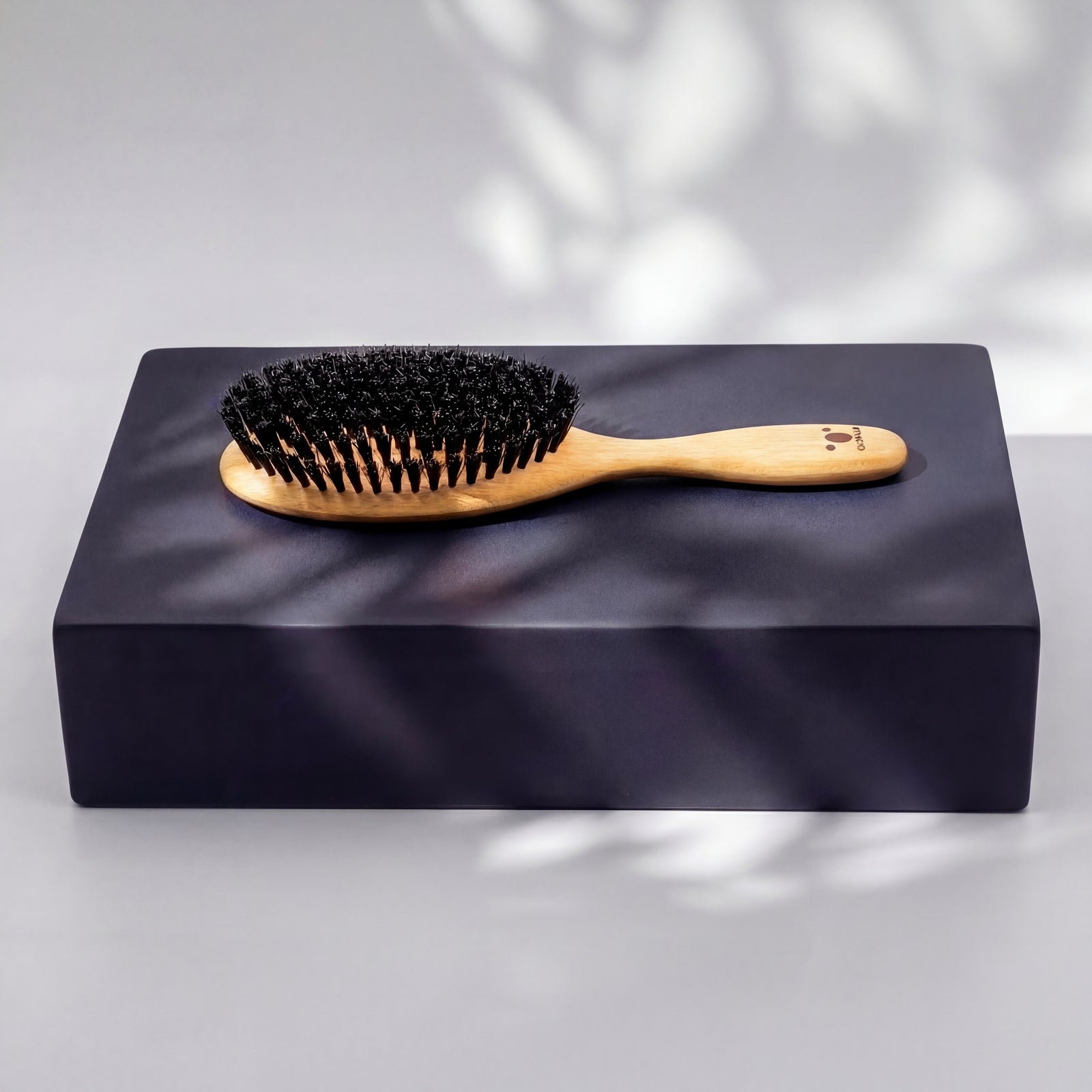

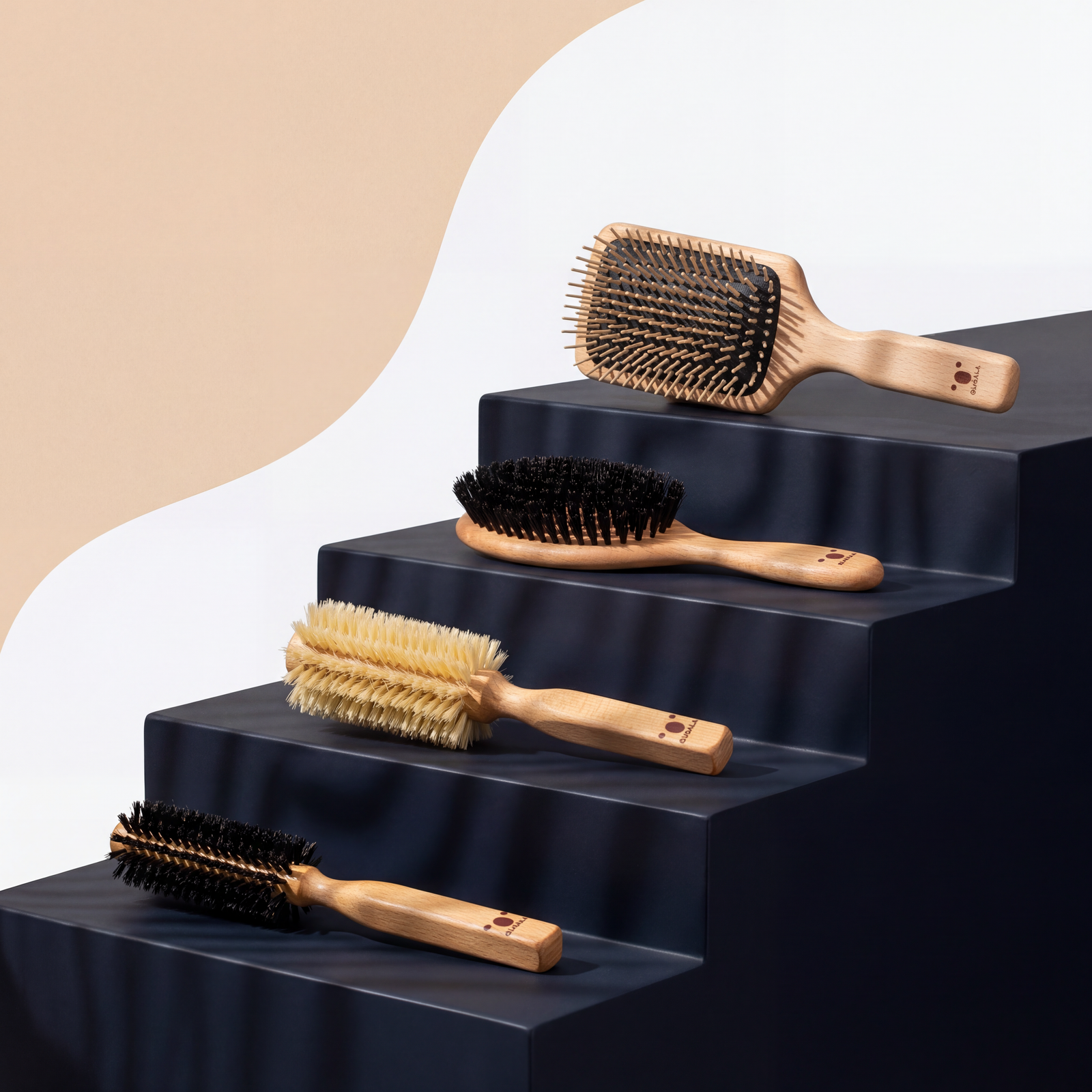

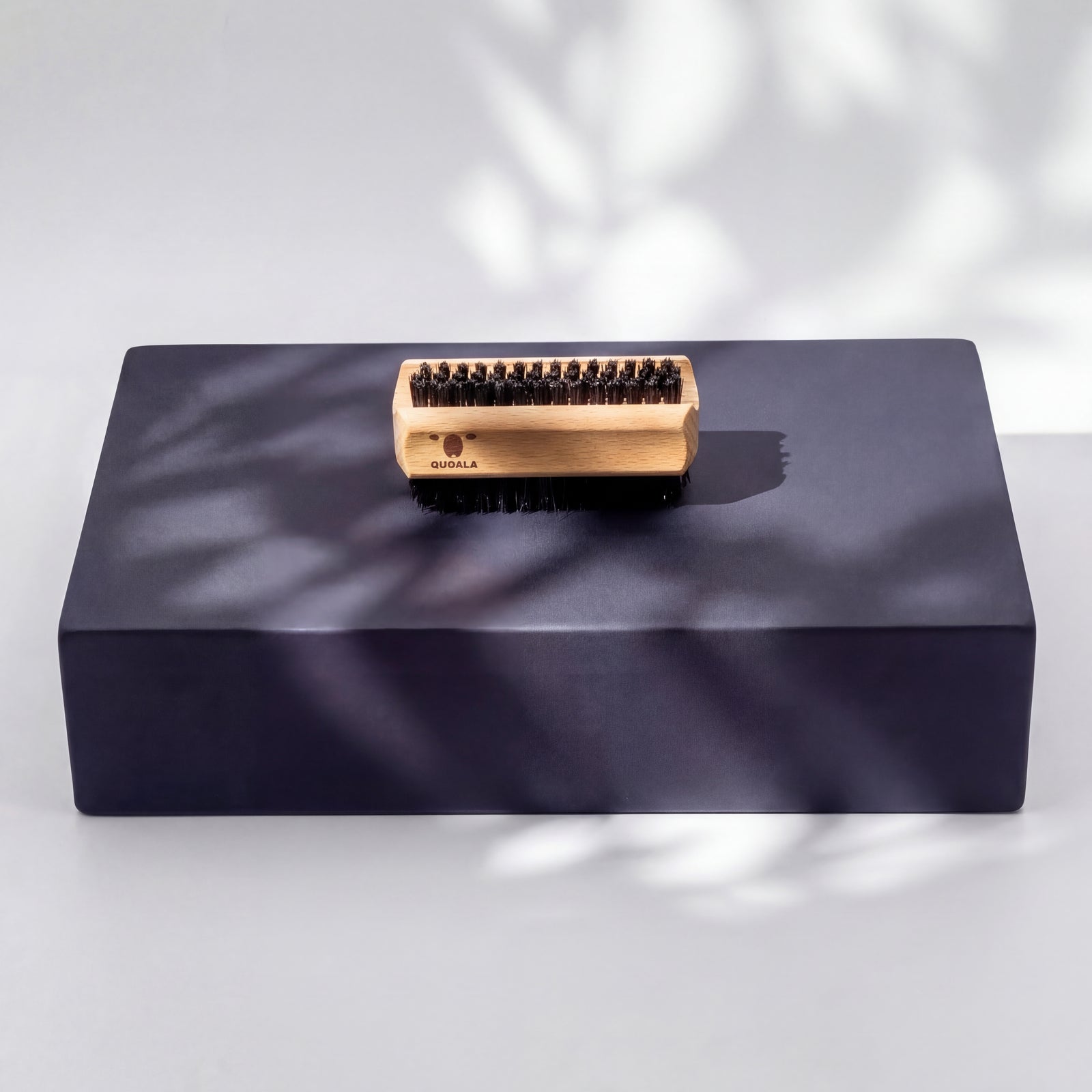





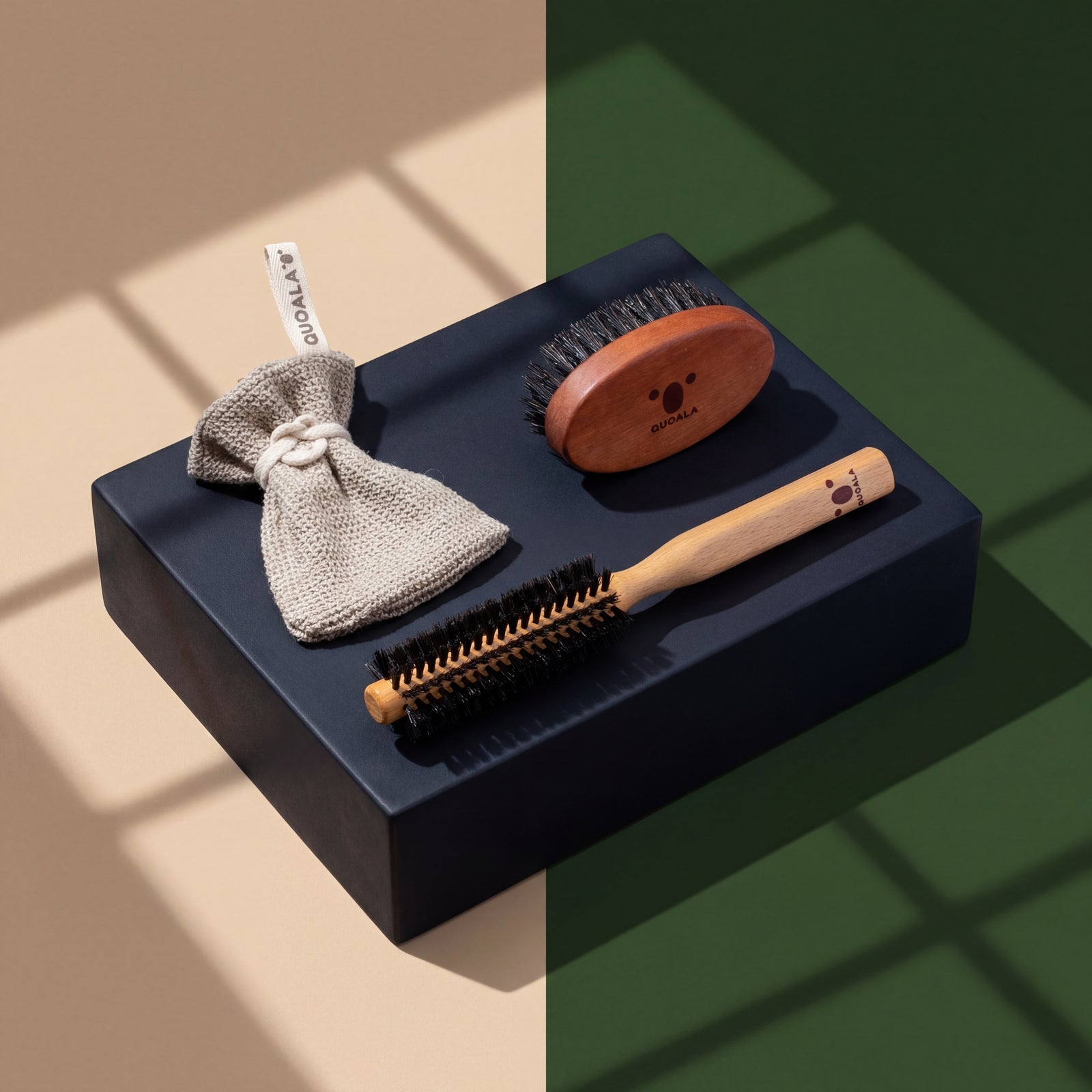


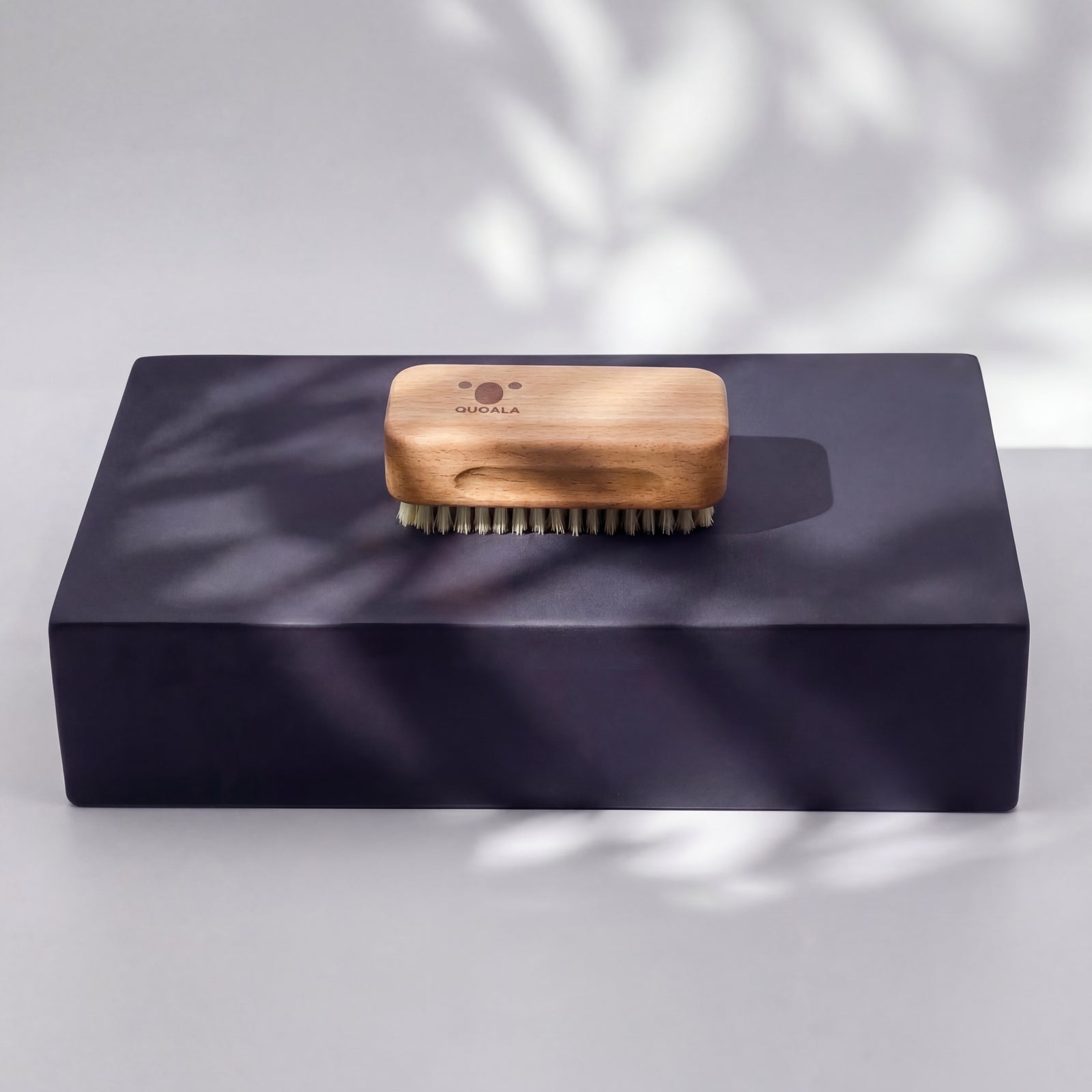

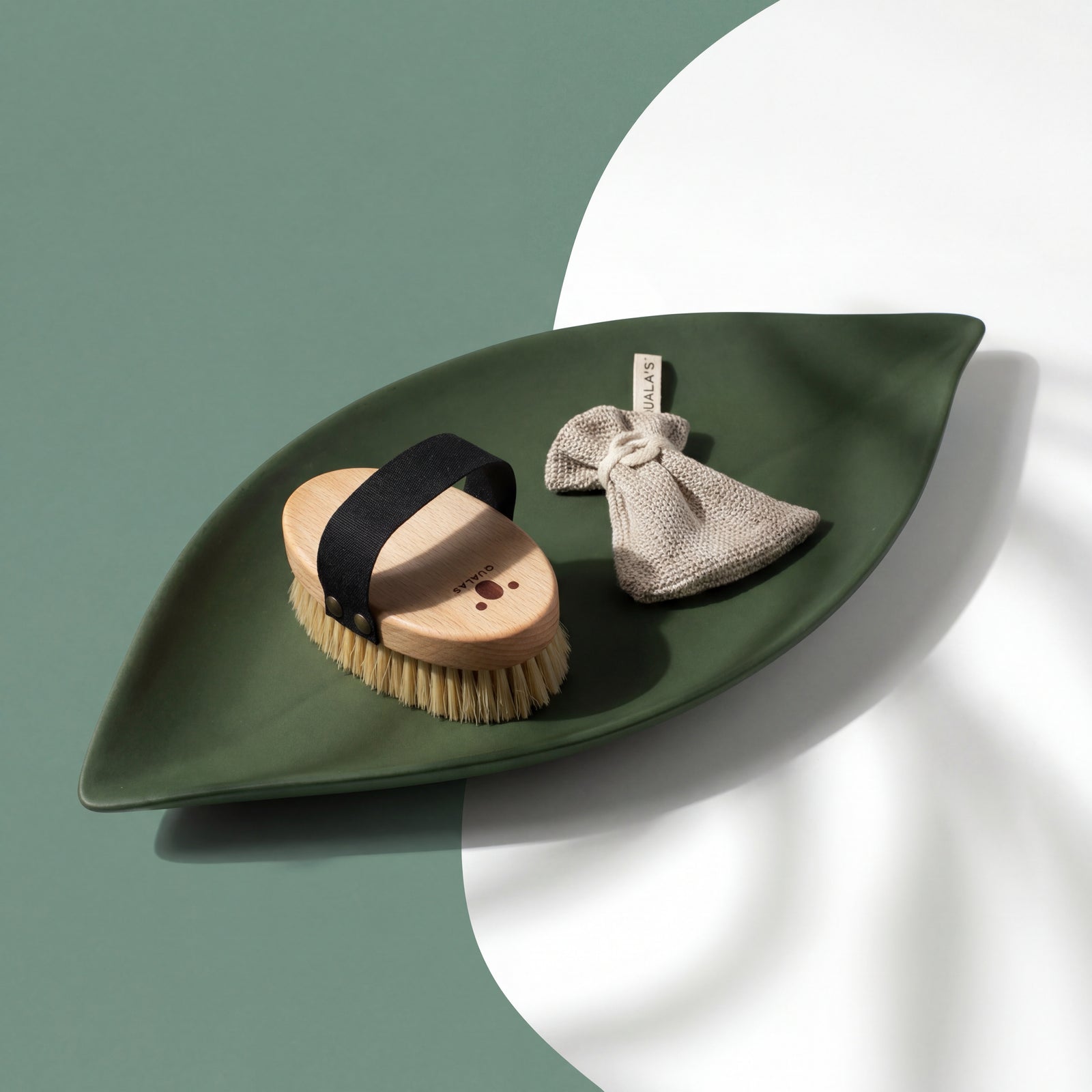

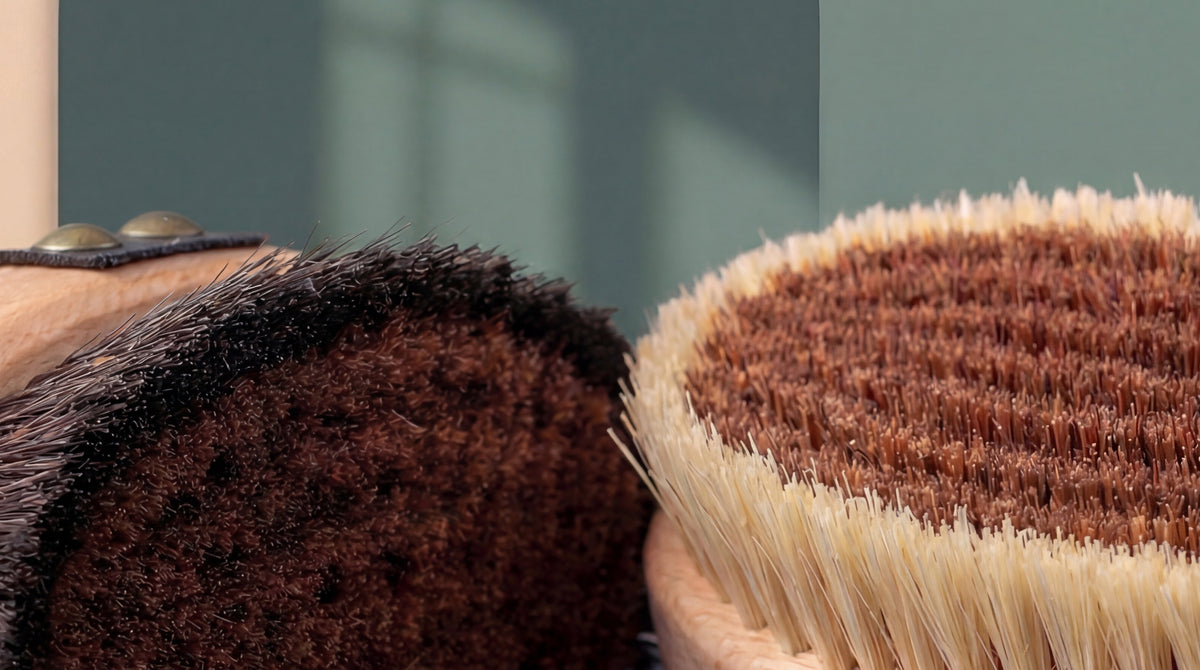
Dry brushing (or body brushing) is much more than a mechanical exfoliation for the skin – it is a quiet moment in your day to be consciously aware of your body. This centuries-old self-care practice gently promotes blood flow, supports skin renewal and gives you a clear, refreshed feeling in your body. In this guide we show you how dry massage works scientifically, what to look out for with your skin type and how to build it into your routine with the right intention and technique.
Key points at a glance
Dry brushing mechanically removes dead skin cells (exfoliation); massage briefly increases local skin blood flow. We clearly dispel one common false claim: the body's own cleansing is done by the liver and kidneys, not the skin. The key technique: always guide the brush towards the heart – this mechanically supports the natural lymph flow. For the most intense dry massage: the monastery brush. For a flexible dry-and-wet tool: the bath brush.
Contents of this guide:
1. What exactly happens during dry brushing?
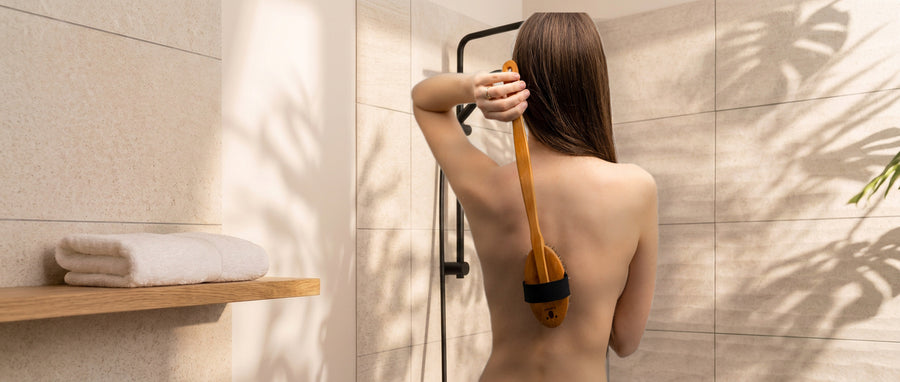
When you dry brush, you move a natural-bristle brush over your dry skin in gentle, sweeping and circular movements – without any water or skin care products. The main aim is to stimulate the top layer of the skin mechanically and to bring your mind into the present moment for a while.
What happens biologically can be described precisely: human skin is constantly renewing itself. Cells from the inner layers of the skin (keratinocytes) move outwards over a cycle of around 28 days, harden into flat horny cells and are finally shed. With age and time spent indoors, this natural process slows down, and the top layer – the stratum corneum – can build up with dying cells. The result: duller skin, clogged pores and poorer absorption of skin care products. Dry brushing speeds up this renewal cycle mechanically – without chemicals, simply through the controlled use of pressure and friction.
Why we value it at QUOALA
At QUOALA we don't sell esoteric healing promises. We see dry brushing as what it is biologically: highly effective, intuitive skin care, which is simply a pleasure to use. Our dry and bath brushes combine dermatological benefit with uncompromising responsibility to support your skin – honest, pared back and scientifically grounded.
Summary: what happens during dry brushing
Dry brushing mechanically stimulates the top layer of the skin and speeds up the natural renewal cycle of the keratinocytes. It promotes blood flow and brings a mindful moment into your day – no chemicals, no effort.
2. The biological benefits (and one myth)
- Mechanical exfoliation: The bristles remove dead horny cells (keratinocytes) from the top layer of the skin (stratum corneum). This frees clogged pores and reveals a smoother, softer skin surface. A practical side effect: because the barrier of dead cells has been removed, skin care products applied afterwards – body oils, lotions – can penetrate deeper into the skin and work more effectively [1].
- Increases local blood flow: Massage briefly increases local skin blood flow, visible as a slight reddening of the skin [2].
- Mindful self-care: The pleasant feel of real wood and natural fibres turns brushing into a conscious experience. This short moment of full attention on your own body has a value of its own – regardless of any effects on the skin. Many people report a more awake, more grounded start to the day.
Scientific honesty: what dry brushing does not do
It is often claimed that dry brushing “detoxifies” the body. There is no scientific evidence for this. The body's own removal of harmful substances is done by the liver and kidneys alone – not by the skin. What is true, however: brushing towards the heart applies gentle physical pressure that can mechanically support the natural lymph flow [3]. The lymphatic system transports tissue fluid – and gentle pressure towards the lymph nodes can support this transport. But it does not flush any “toxins” out through the skin. This distinction matters to us, because honest communication is at the heart of our brand.
Summary: the biological benefits
Three aspects: exfoliation (removing dead cells, better product absorption), massage (briefly increasing local skin blood flow) and conscious self-care. We clearly dispel the often-claimed cleansing effect: the liver and kidneys do the body's own cleansing.
3. The right technique: how to brush correctly
Dry brushing is simple, intuitive and needs no complicated explanations. The most important thing: don't press extremely hard. The brush should glide over the skin firmly but gently.
-
Legs.
Start at your feet and brush upwards in long strokes, towards your heart.
-
Arms.
Start at the back of your hands and work up in long strokes over forearms and upper arms to the shoulders.
-
Stomach and chest.
On your torso, switch technique: gentle circles, clockwise, over stomach and chest.
-
Afterwards.
Shower and moisturise – your skincare now absorbs better.
- The legs (arrows 1): Start right at the bottom, at your feet. Brush up your lower legs and thighs in long, straight strokes. The direction is always upwards, towards your heart.
- The arms (arrows 2): Start at the backs of your hands and work your way up in long strokes over your forearms and upper arms to your shoulders.
- Stomach and chest (arrow 3): On your torso, change the technique. Here, brush in gentle, clockwise circular movements over your stomach and chest.
- Care afterwards: A shower afterwards washes away the loosened flakes of skin. Then it is best to care for your skin with a good body oil or body lotion, which is now absorbed particularly well – without the barrier of dead cells.
Duration, pressure and areas to avoid
A typical dry brushing session lasts 3–7 minutes – that is more than enough. Longer is not better: brushing too intensely or too often can weaken the skin barrier and dry the skin out. A good rule of thumb: if your skin is very red or irritated after the session, the pressure was too strong or the session too long.
As for pressure: firm enough that you clearly feel the stimulation – but never so hard that it hurts or scratches. With the ionic brush with bronze wires, very light pressure is enough – you can feel the metal wires even with a gentle touch.
Some areas should always be avoided: the face (the skin is too sensitive – there are specially designed facial brushes for this), the inner thighs, the genital area, fresh wounds, inflammation, active rashes and any areas known to be sensitive. Varicose veins should not be brushed directly either.
Summary: the right technique
Always brush towards the heart in long strokes, starting from the extremities. Circular movements on the torso. 3–7 minutes is plenty. Always avoid the face, wounds and inflamed areas. Then shower and apply body oil: this is how the ritual becomes an effective part of your routine.
4. Which skin types is dry brushing suitable for?
Dry brushing is not the same for every skin type – if you know your skin, you can adjust the intensity and frequency and get much more out of the ritual.
Normal and combination skin
The most straightforward case. Normal skin tolerates regular dry brushing without any particular restrictions. 3–5 times a week is a good rhythm. Both boar bristles and Tampico fibre are suitable – the choice comes down to personal preference.
Dry skin
With very dry skin in particular, dry brushing can make an important contribution: it removes the build-up of dead cells, which is more visible on dry skin, and prepares the skin perfectly for the moisturising care that follows. Important: reduce the pressure, keep sessions shorter (3 minutes) and always moisturise or apply oil afterwards – the freshly exposed skin is more sensitive for a short time. A good body oil works particularly well here.
Sensitive skin
Sensitive skin benefits most from a soft brush with pig bristles. Start with 1–2 times a week and watch how your skin reacts. If your skin stays visibly red or irritated for more than 20–30 minutes after brushing, either brush less often or switch to a softer version. The ionic brush (bronze wires) is less suitable for very sensitive skin – it is better to start with the classic bath brush or a soft hand brush.
When to pause dry brushing
If you have psoriasis, active eczema, rosacea or another chronic skin condition, talk to a dermatologist before you start. Mechanical friction can make these conditions worse. The same applies during sunburn, with fresh injuries, acne flare-ups or directly after a laser treatment: pause until your skin has fully recovered.
Summary: skin types
Normal skin: no restrictions, 3–5 times a week. Dry skin: gentle pressure, always apply body oil afterwards. Sensitive skin: soft pig bristles, start less often. With psoriasis, eczema or active inflammation: check with a dermatologist first.
5. Which tool is right for you?
Various tools are suitable for dry brushing. The choice depends entirely on how intense you want the ritual to be.
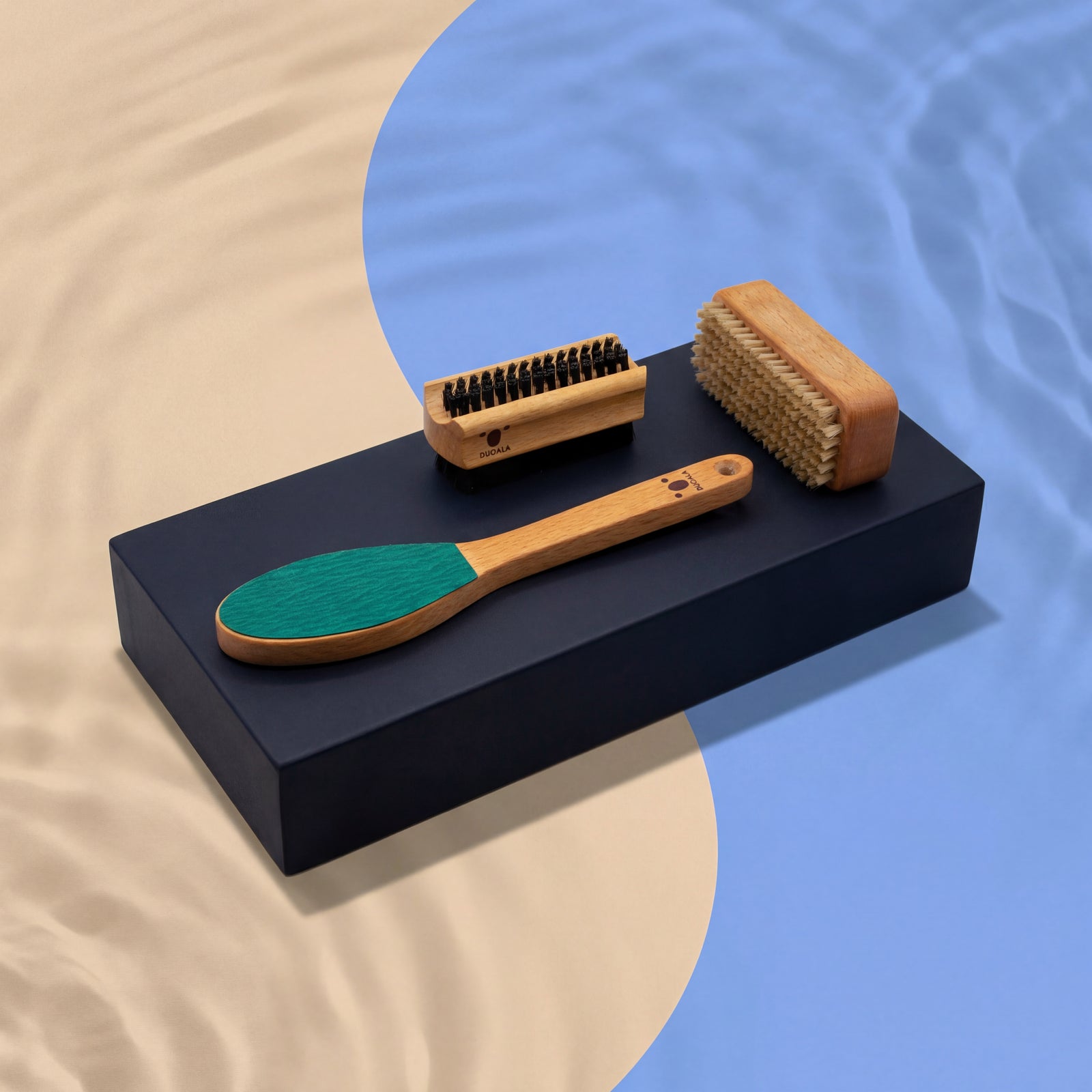
Our centrepiece for dry massage: the dry brush (monastery brush)
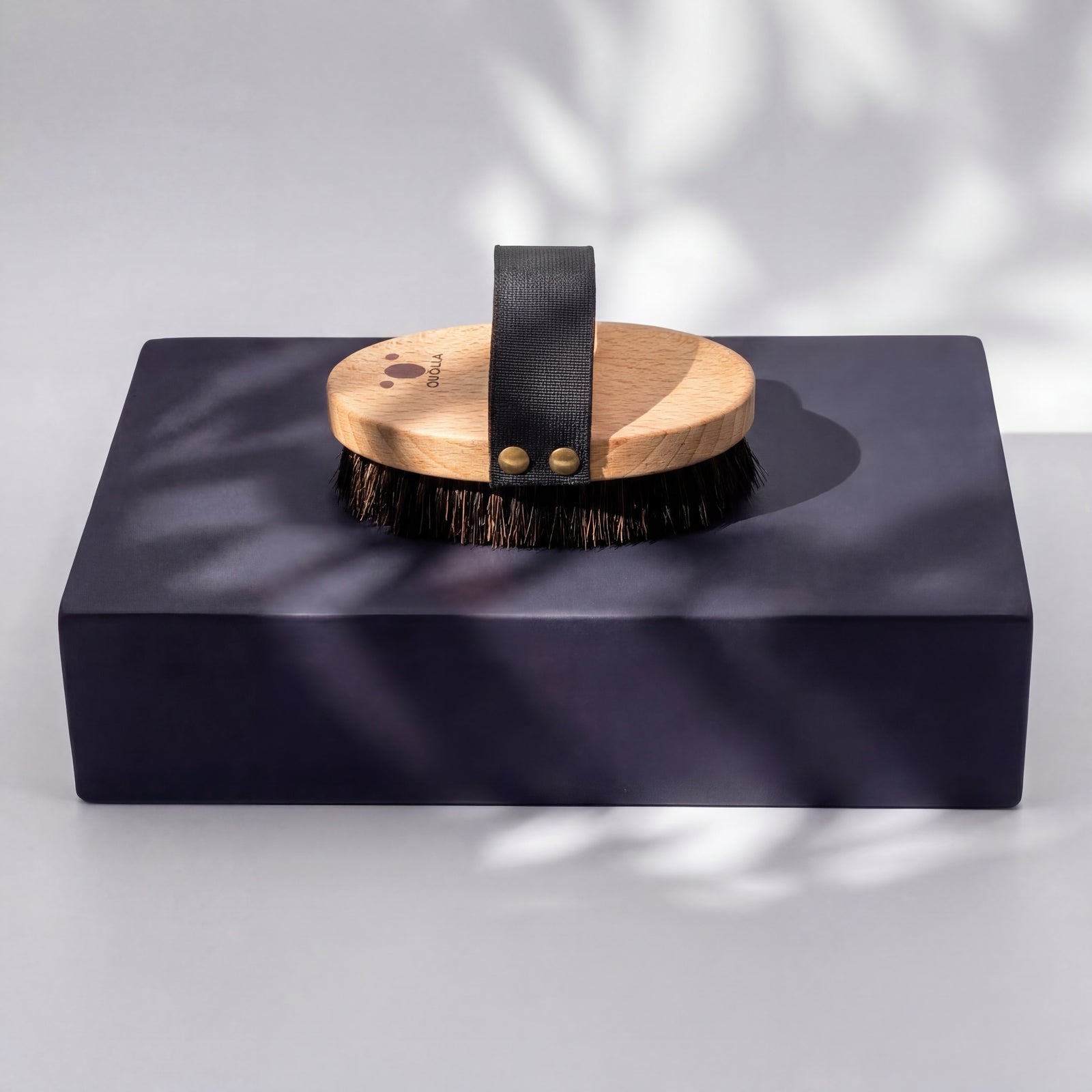
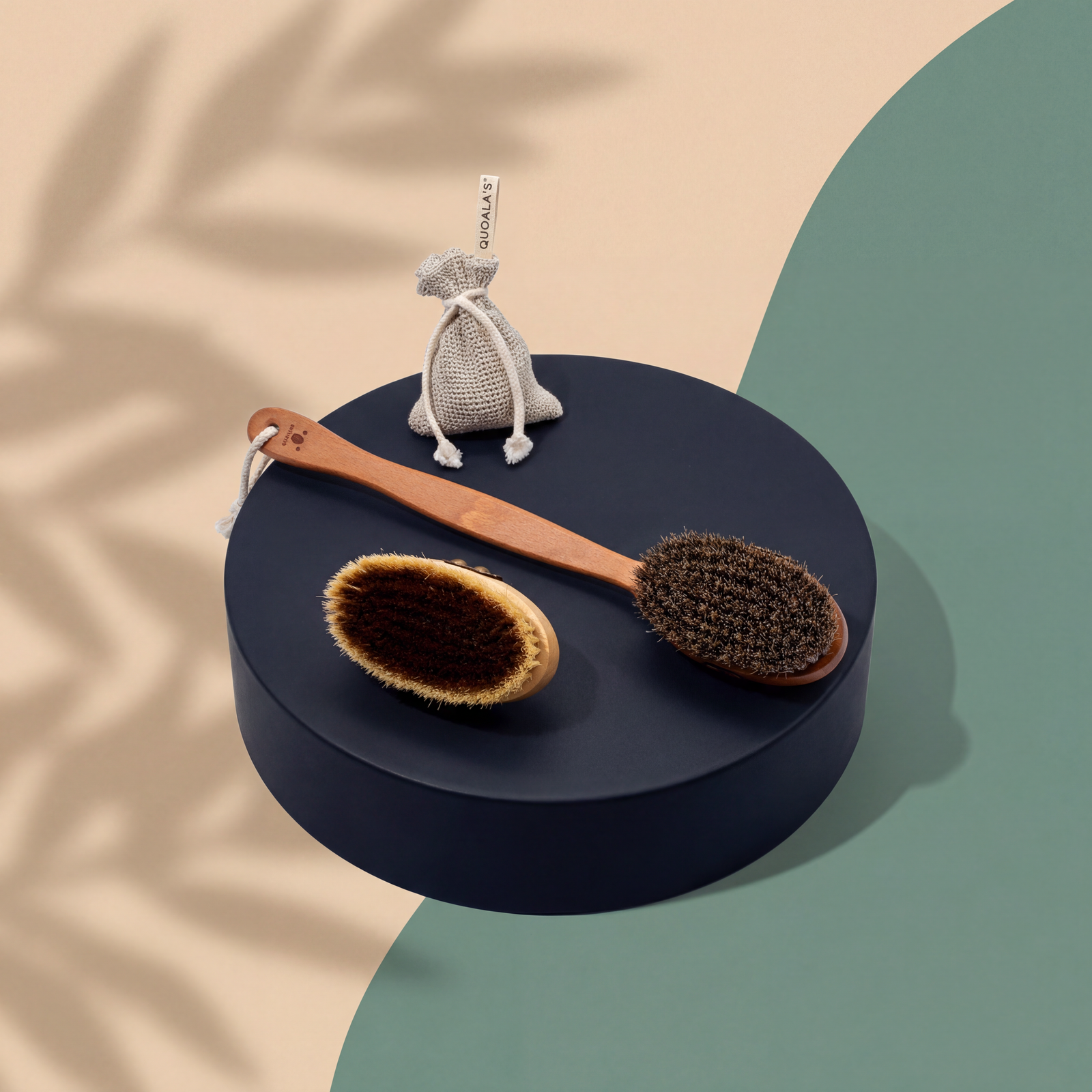
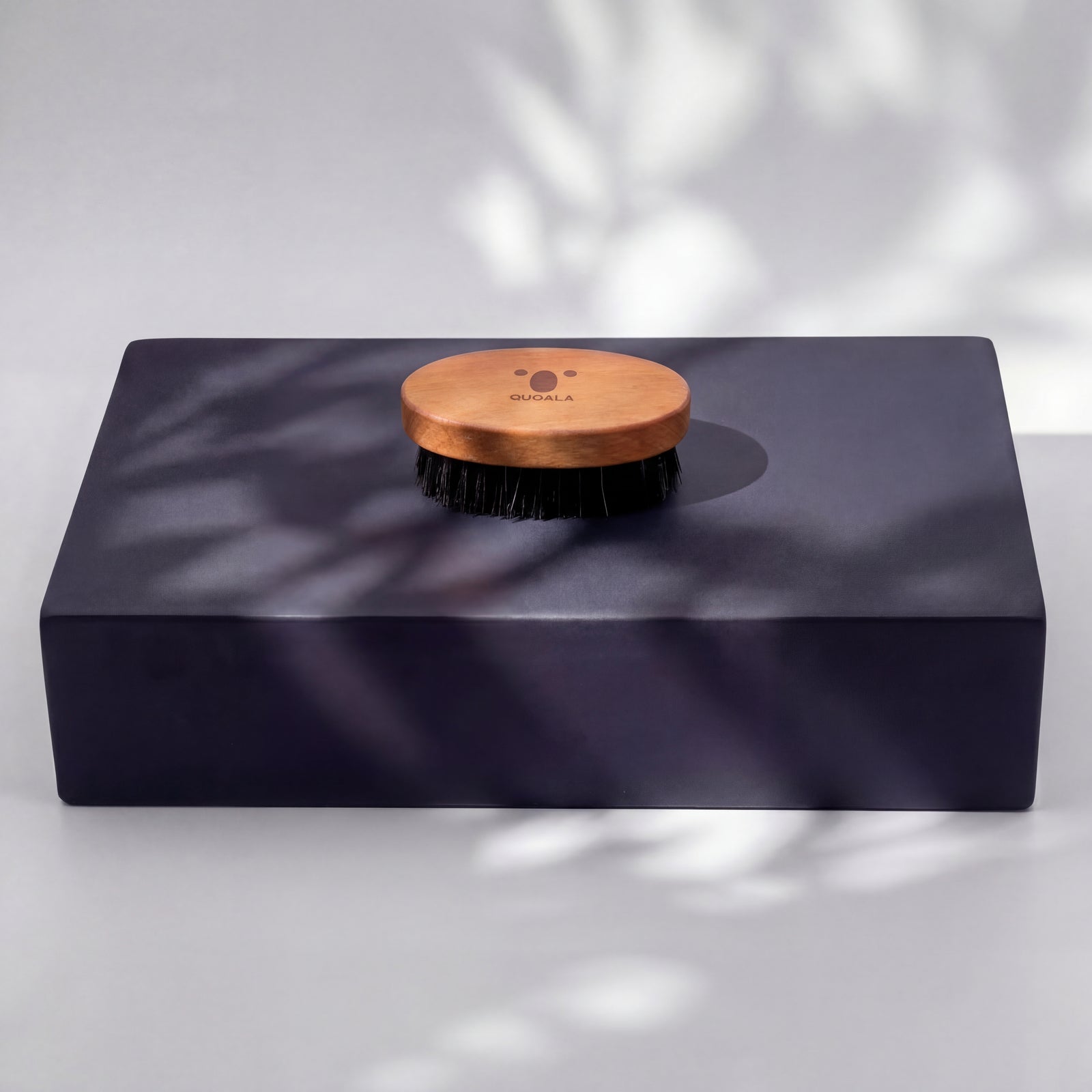
If you want a particularly intense dry brushing experience, our ionic brush (monastery brush) is the best choice. In the middle of the brush there are ultra-fine bronze wires (a high-quality copper-tin alloy), surrounded by natural bristles. The monastery brush is said to release ions when the bronze rubs against the skin. We have not found any scientific evidence for this — so we don't promise it. What we can back up: brushing increases local blood flow.
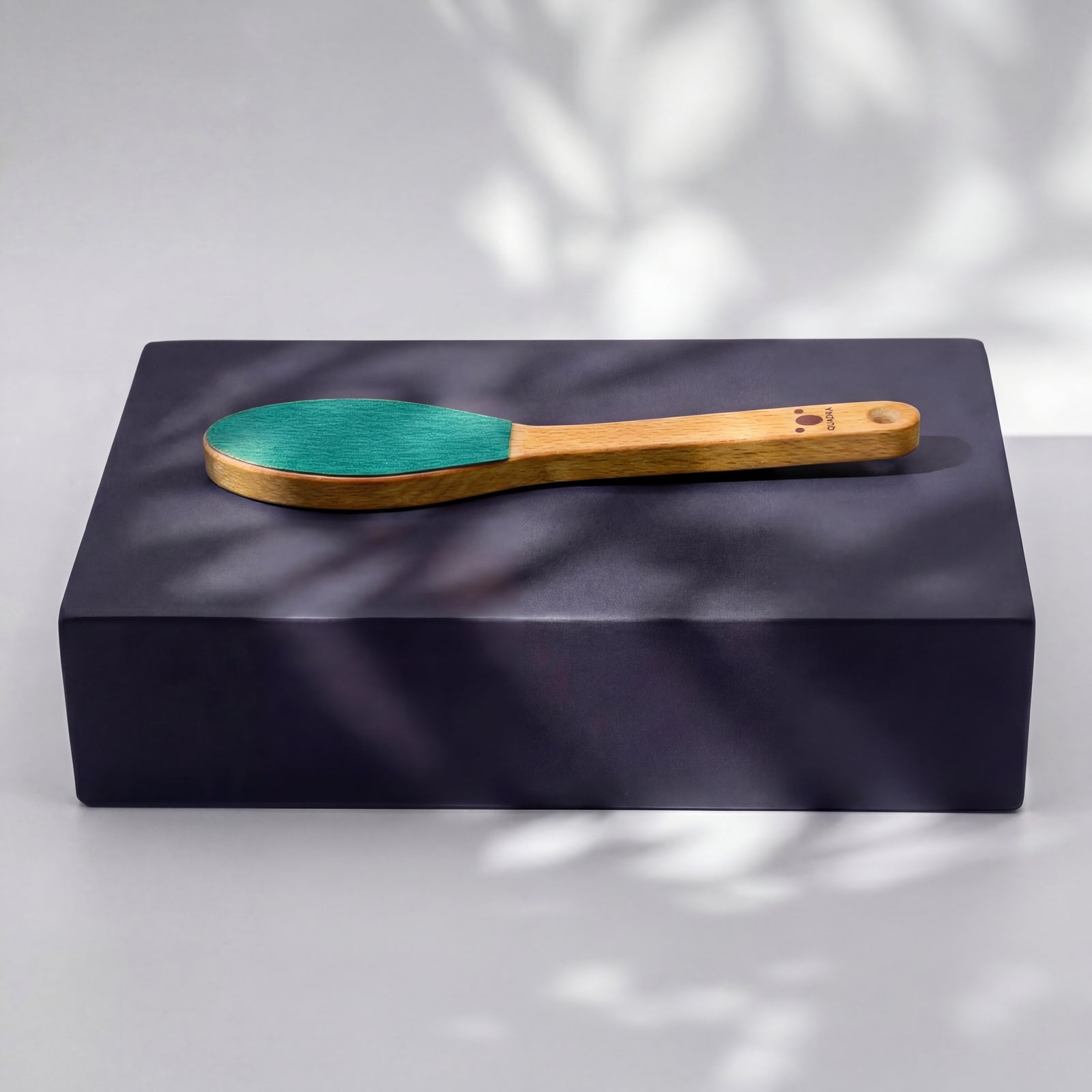
Choose between bronze & horsehair (medium) for a smooth glide or bronze & Tampico (firm) for a stronger, vegan alternative. (Please note: this is a dry-only tool and must not be used wet!)

Bronze & horsehair · medium
The smooth glide of horsehair. Ideal for getting started and for more sensitive skin.
Discover now →
Bronze & Tampico · firm · vegan
The stronger, vegan alternative for intense stimulation. Ideal for experienced dry brushing fans.
Discover now →Where does the name come from? What is said about the monastery brush and what is proven: Why it is called a monastery brush – and what we really know →
The versatile alternative: the QUOALA bath brush
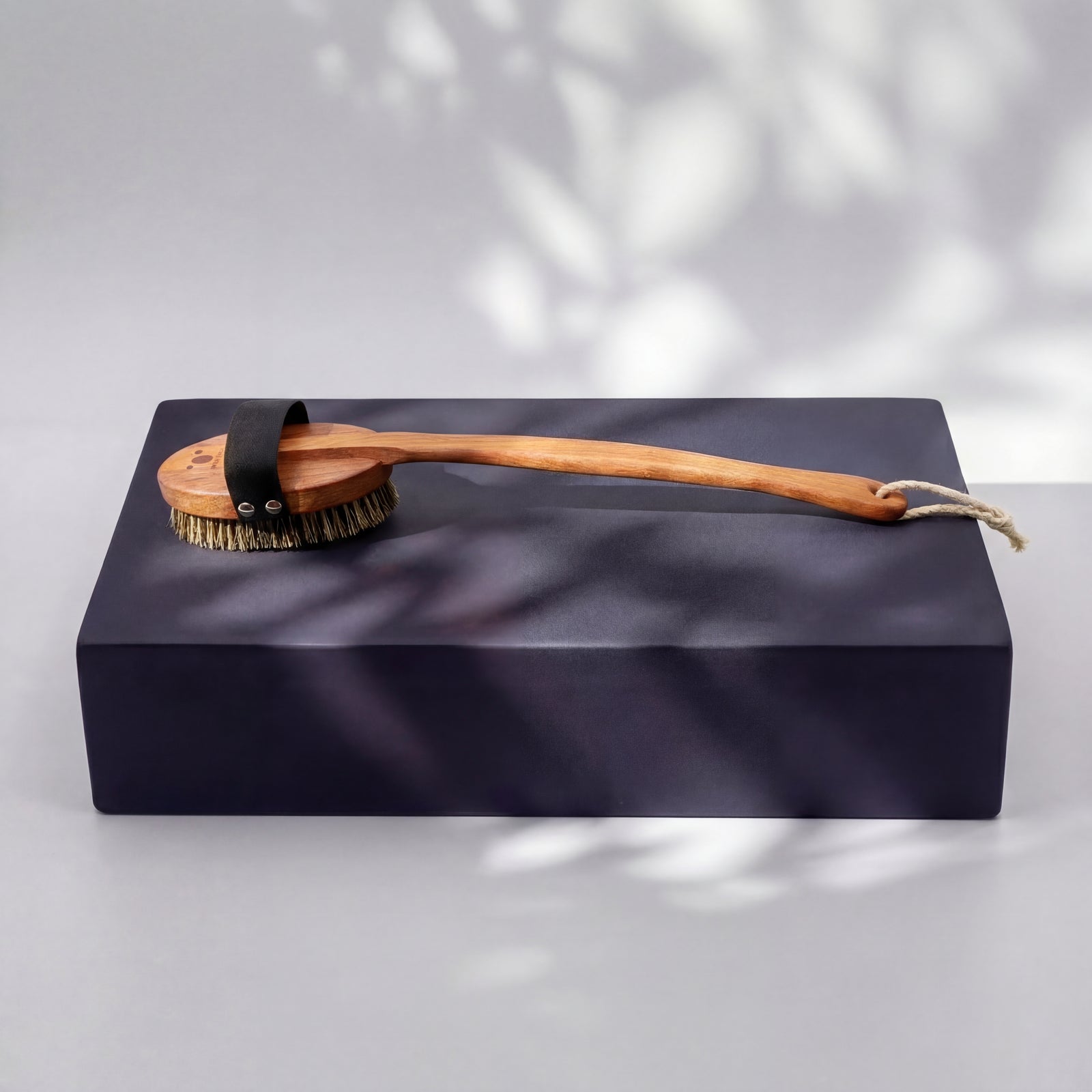
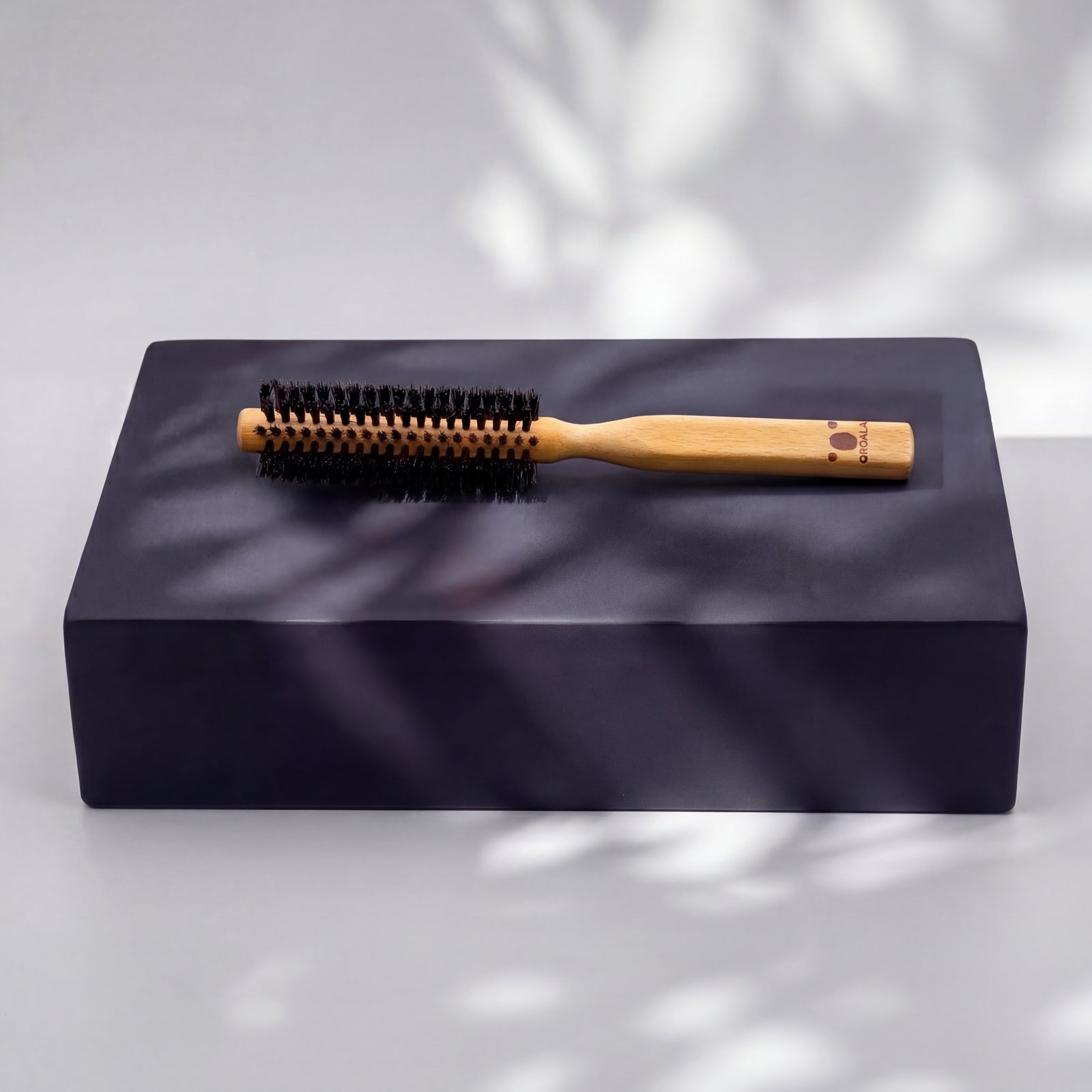
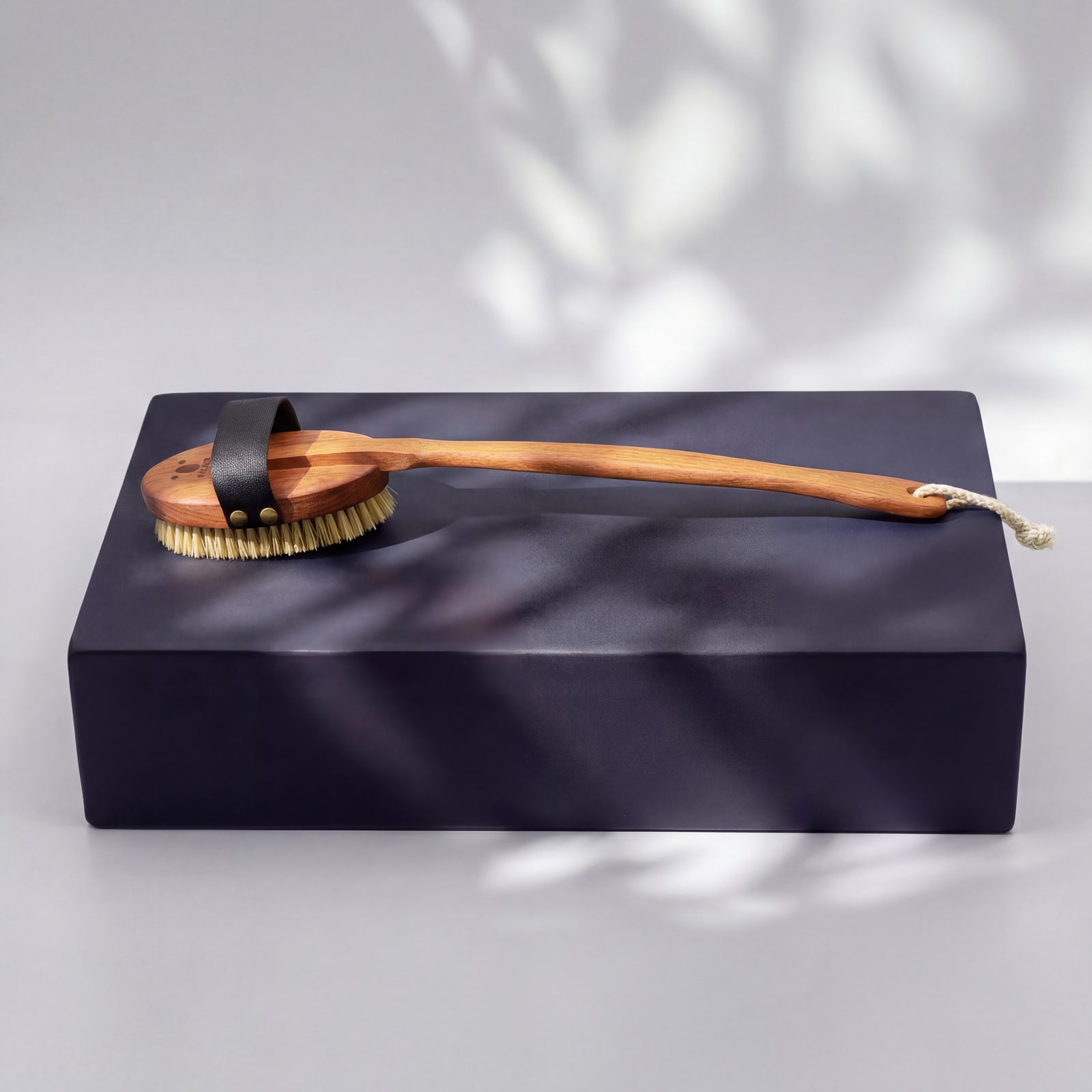
Looking for a tool you can use not only dry but also wet (in the shower)? Then our classic bath brush is ideal. Its detachable, ergonomically curved long handle lets you reach your back with ease. Choose your intensity: from soft pig bristles to the all-rounder made of horsehair & Tampico through to the firm, vegan Tampico fibre.
Summary: which tool is right for you
For an intense dry massage: the ionic brush with bronze wires (use dry only). For flexible dry and wet use: the bath brush with a long handle, available in three firmness levels. The choice depends on how you want to build the ritual into your routine.
6. Frequently asked questions
What does dry brushing do?
Dry brushing removes dead cells from the top layer of the skin and leaves it smoother and softer. The gentle friction briefly stimulates circulation, and care products applied afterwards absorb better. It does not detox the body; that is the job of the liver and kidneys.
Is dry brushing suitable for everyone?
Most skin types can use dry brushing without any problems. With acute acne, extremely sensitive skin, sunburn or fresh injuries, strictly avoid the affected areas or skip brushing altogether. The massage should feel invigorating and warming, never scratch or hurt. If in doubt, always start with a softer brush.
How often should I dry brush?
Start with 2 to 3 times a week so your skin can get used to the mechanical friction. If your skin takes to it well, you can gradually make the ritual part of your daily routine. Dry or sensitive skin benefits from a slower start: once a week is enough to begin with.
What is the best time of day for it?
In the morning! It physically wakes the body up and supports an alert, clear feeling. But in the evening it can also be a lovely way to consciously end the day – simply trust your own rhythm.
What makes QUOALA brushes different?
When you choose a tool, choose consciously. We consistently use FSC-certified wood [4] and make our brushes in a family business in Germany – an EMAS-registered manufactory. Read our promise of radical transparency.
How long should a dry brushing session last?
3 to 7 minutes is ideal. More is not better – brushing too long or too often can weaken the natural skin barrier. A good test: if your skin stays red for more than 30 minutes after brushing or feels irritated, the session was too intense. Reduce the duration or pressure.
Do I need to shower after dry brushing?
A short shower afterwards is a good idea – it rinses off the loosened flakes of skin and prepares the skin for the care that follows. If you are short of time in the morning, you can also build dry brushing into your usual morning routine directly before your shower. Then apply body oil or lotion – the freshly exposed skin absorbs care particularly well.
Can I dry brush if I have dry skin?
Yes – and with very dry skin in particular it can be especially helpful, because it removes the dead cells that make the skin look dull. The most important thing: reduce the pressure, limit the session to 3 minutes and moisturise or apply oil straight afterwards. The freshly exposed skin is more sensitive for a short time and absorbs moisture particularly well.
Does dry brushing really work against cellulite?
There are no clinical studies showing that dry brushing reduces cellulite permanently. What can happen: after brushing, the skin looks firmer for a short time thanks to the increased blood flow and the smoother surface. This effect is real – but it is temporary and no proof of a structural change in the connective tissue. If you make dry brushing part of a healthy routine, you will keep your skin in better condition over the long term – but we don't sell miracle cures.

Ready for your care ritual?
Invest in a premium tool made from FSC-certified wood in a family business in Germany – an EMAS-registered manufactory. Find the body brush that suits your skin and routine perfectly.
Sources and further reading
Scientific sources
- American Academy of Dermatology: How to safely exfoliate at home. Exfoliate gently and moisturise afterwards. Our assessment S76 · Source
- Miyaji, Sugimori & Hayashi (2018), Short- and long-term effects of using a facial massage roller on facial blood flow and vascular reactivity, Complementary Therapies in Medicine. A facial massage roller increased local blood flow; not measured with brushes. Our assessment S2 · Source
- Cleveland Clinic (2021): The Truth About Dry Brushing and What It Does for You. A dermatologist's view of what dry brushing can and cannot do. Our assessment S77 · Source
- FSC International: What the FSC labels mean. What the FSC label guarantees about where the wood comes from. Our assessment S14 · Source