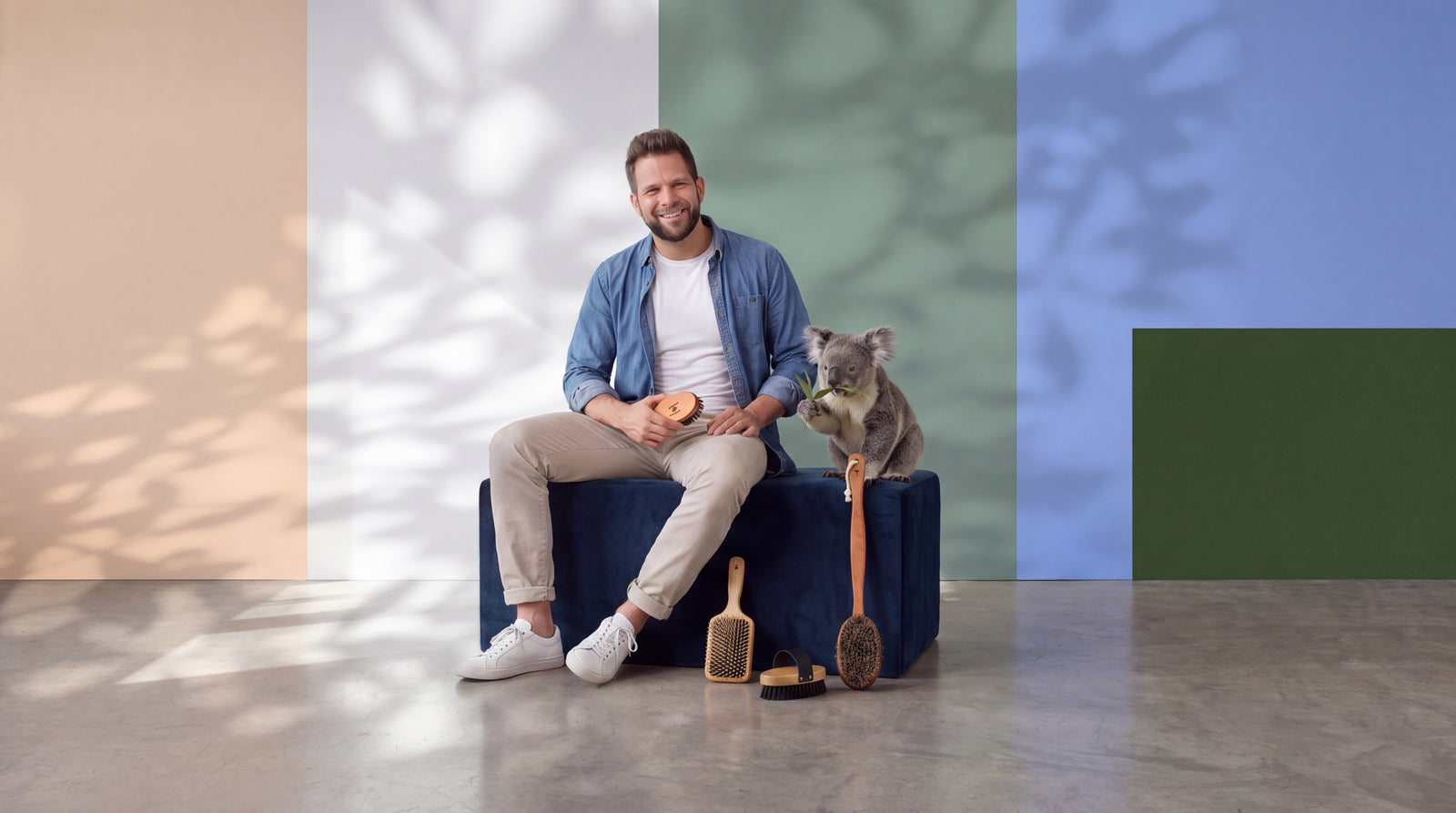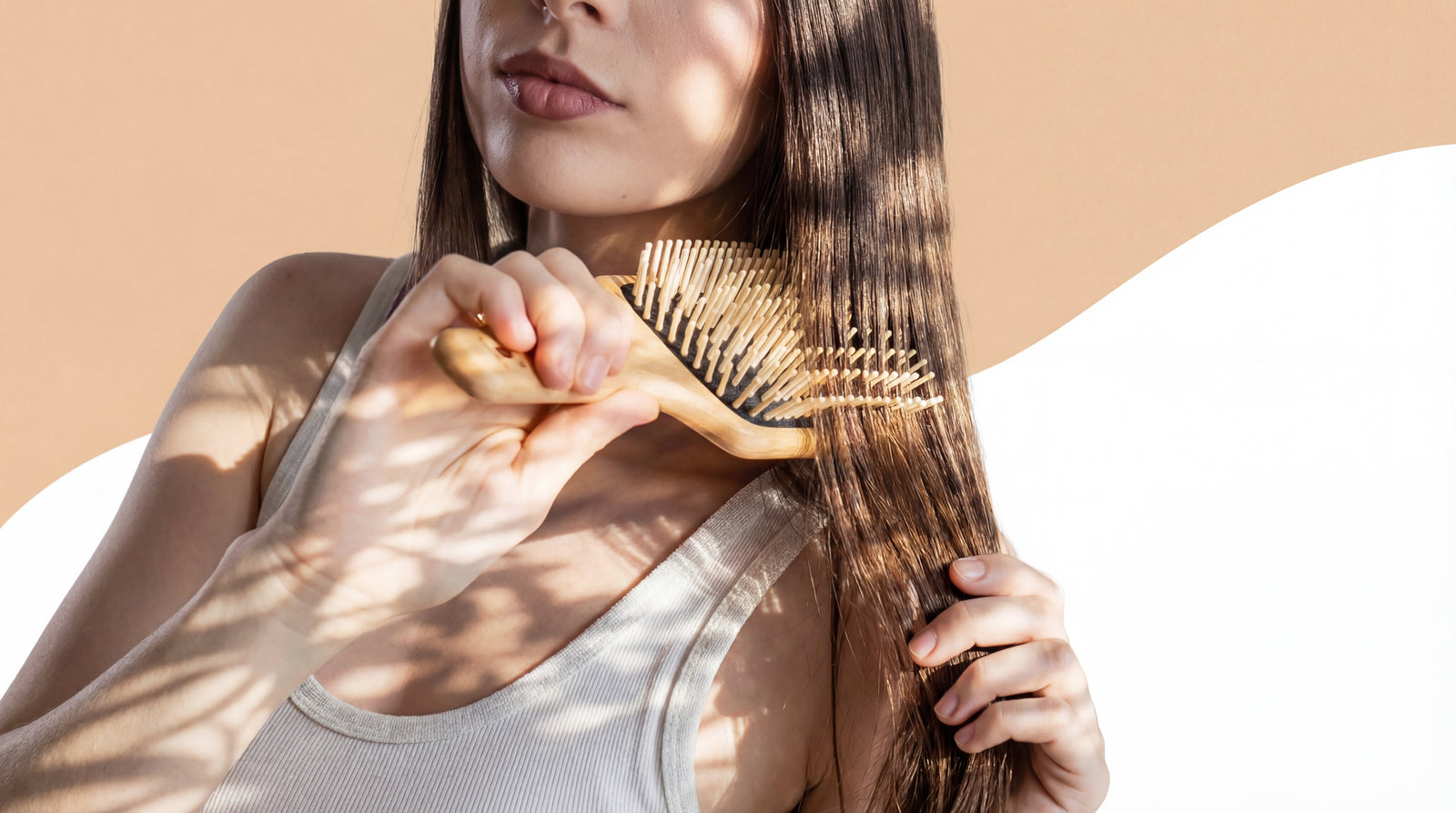

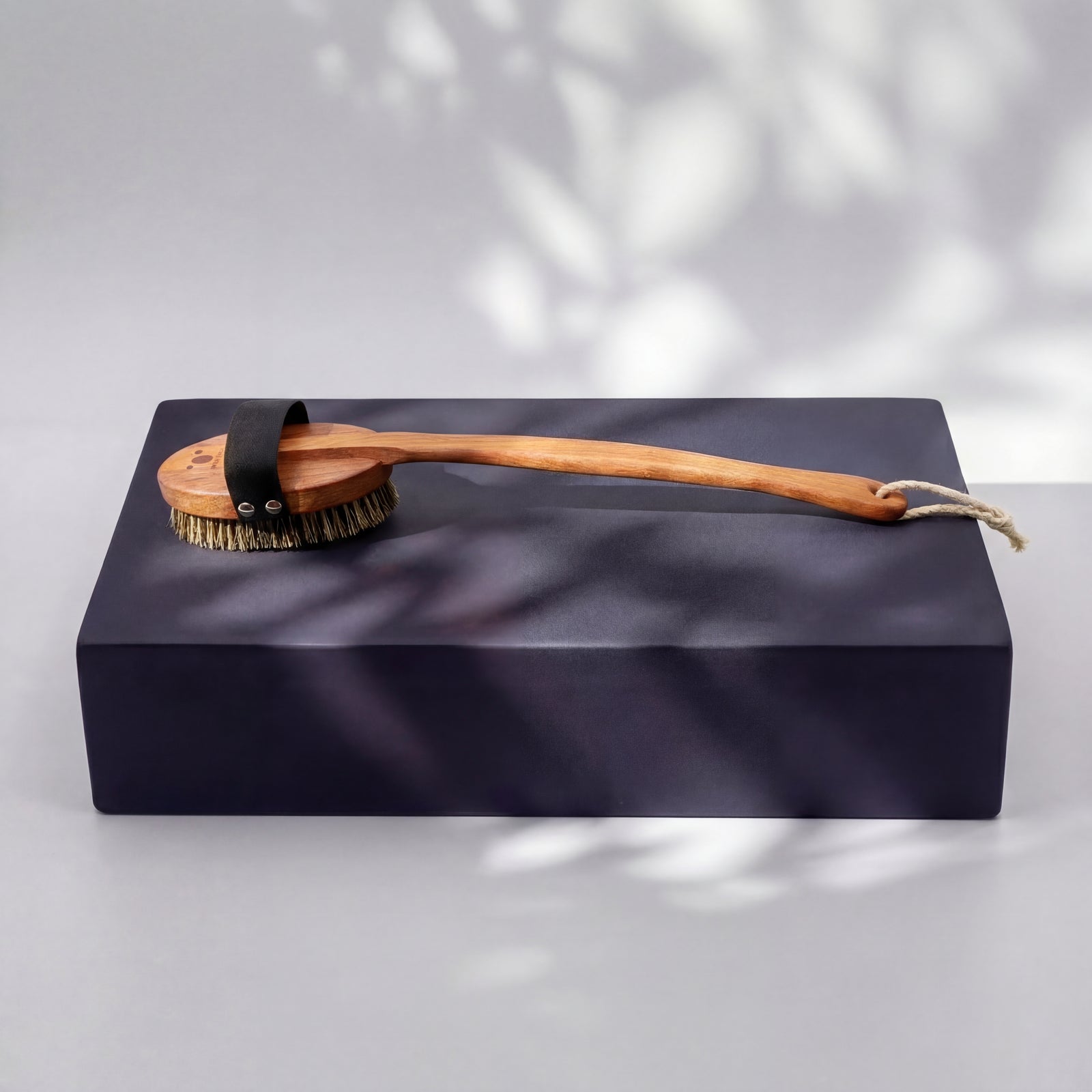

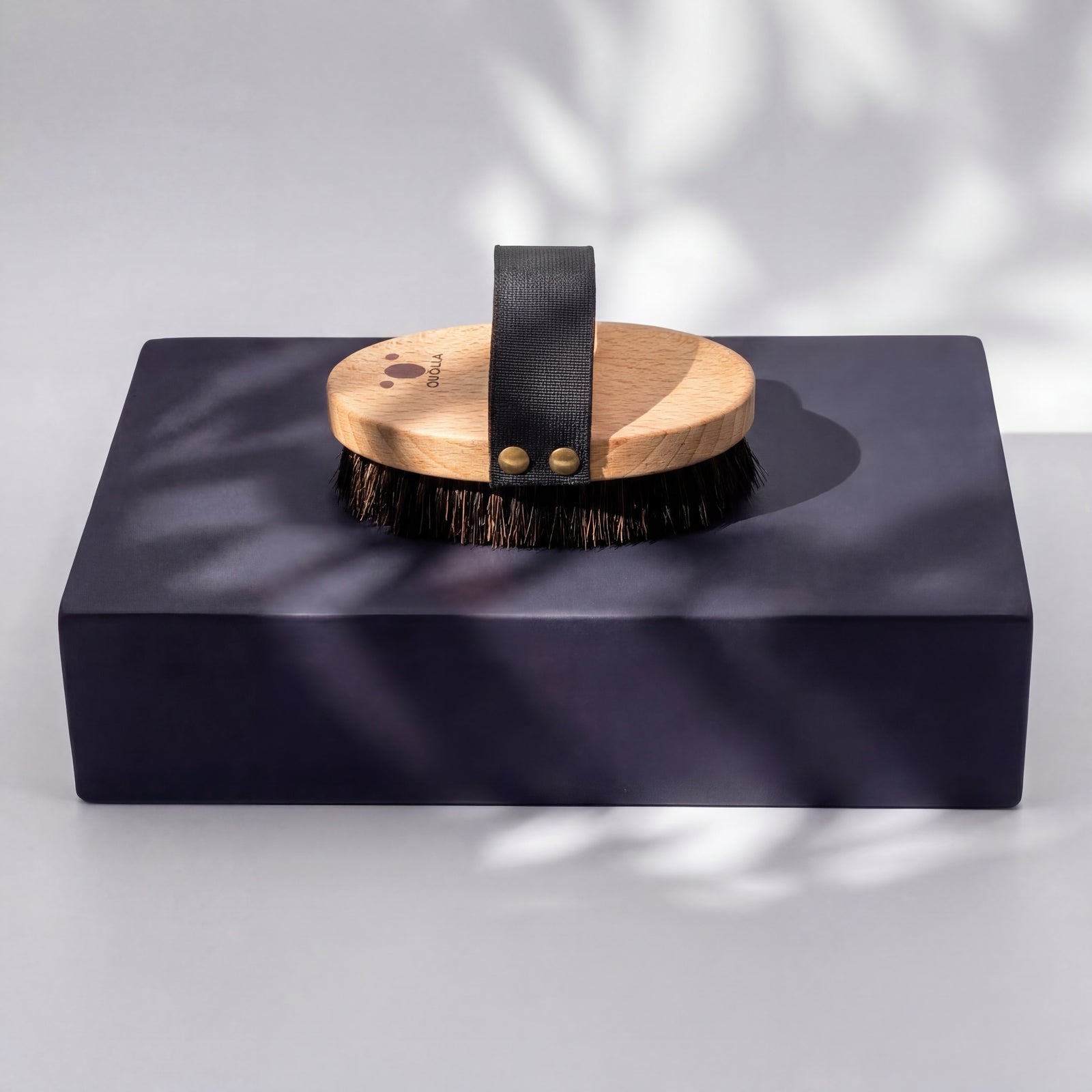















Boar Bristle vs. Tampico Fiber: The Science Behind the Perfect Hairbrush
When you invest in a premium hairbrush, you're making a decision for the long-term health of your hair. Plastic and nylon are outdated in this area – they cause micro-tears in the hair structure and promote static electricity[1].
In the world of genuine natural materials, however, two giants stand opposite each other: the traditional gold standard (boar bristles) and the modern, vegan alternative (Tampico fiber). We'll take a look through a microscope to understand how these materials physically work and how you can make the right choice for your personal hair biology.
Guide Contents:
1. The Biomechanics of the Materials
Boar Bristle (Keratin & Cuticle)
Scientifically speaking, boar bristles are extremely similar to human hair. They consist of 100% keratin, a structural protein. The crucial factor, however, is their surface: Under a microscope, boar bristles show an overlapping cuticle layer[2].
This rough, scaly structure creates a high capillary action. As the bristle glides over the scalp, these microscopic scales absorb natural hair oil (sebum – a mix of triglycerides and squalene) and pull it down the hair shaft like a sponge. This seals your own hair's cuticle and ensures maximum shine.
Tampico Fiber (Cellulose, Lignin & Micropores)
Tampico is derived from the leaf veins of the agave plant in Mexico. For a long time, the myth persisted that only animal hair could absorb sebum. Science, however, shows a different picture: Tampico fiber consists of cellulose and lignin. While it doesn't have a cuticle layer, it does possess longitudinal grooves and a highly porous microtexture[3].
It acts hydrophilically (moisture-attracting). As a result, it also absorbs oils and evenly distributes them to the hair through friction. Additionally, the plant fibers have a higher modulus of elasticity – they are stiffer and more dimensionally stable than animal hair, leading to more intense mechanical stimulation (exfoliation) of the scalp.
2. The QUOALA Hairbrush Decision Framework
To choose the right brush, you need to evaluate two key factors of your personal biology:
- Hair Structure & Density:
- Fine, thin, or brittle hair: Boar bristles are softer and more flexible. They glide through fine hair with less resistance, minimizing mechanical stress.
- Normal, thick, or very dense hair: Animal hair often reaches its limits here. The stiffer Tampico fiber effortlessly penetrates dense hair, detangles better, and reaches the scalp.
- Scalp Condition:
- Sensitive, irritated scalp: Opt for the softer boar bristle to avoid further irritating the skin barrier.
- Flaky or normal scalp: The firmer Tampico fiber acts like a mechanical exfoliant. It removes buildup more effectively and stimulates blood circulation more strongly.
3. Ethics & Zero Waste: Cruelty-Free and Recyclable
At QUOALA, we consider the entire life cycle of our materials. An important point regarding boar bristles: Their harvesting is strictly "cruelty-free." The bristles are a natural byproduct. No animal is ever harmed solely for bristle production. Instead of leaving these natural resources unused, we process them into durable premium tools.
The greatest advantage of both materials (Tampico and animal hair) in combination with our FSC wood: At the end of their long lifespan, they are 100% biodegradable and recyclable. No microplastic particles down the drain, no centuries of landfill waste.
The fact that we completely forgo synthetic plastics has another charming side effect: Our materials behave like real nature. Why untreated natural bristles (unlike chemically sterile plastic) might initially have a slight odor and how this proves their pure quality, you can read in our article: Why natural bristles can smell (and what helps).
4. Classic Hairbrushes (For Daily Care)
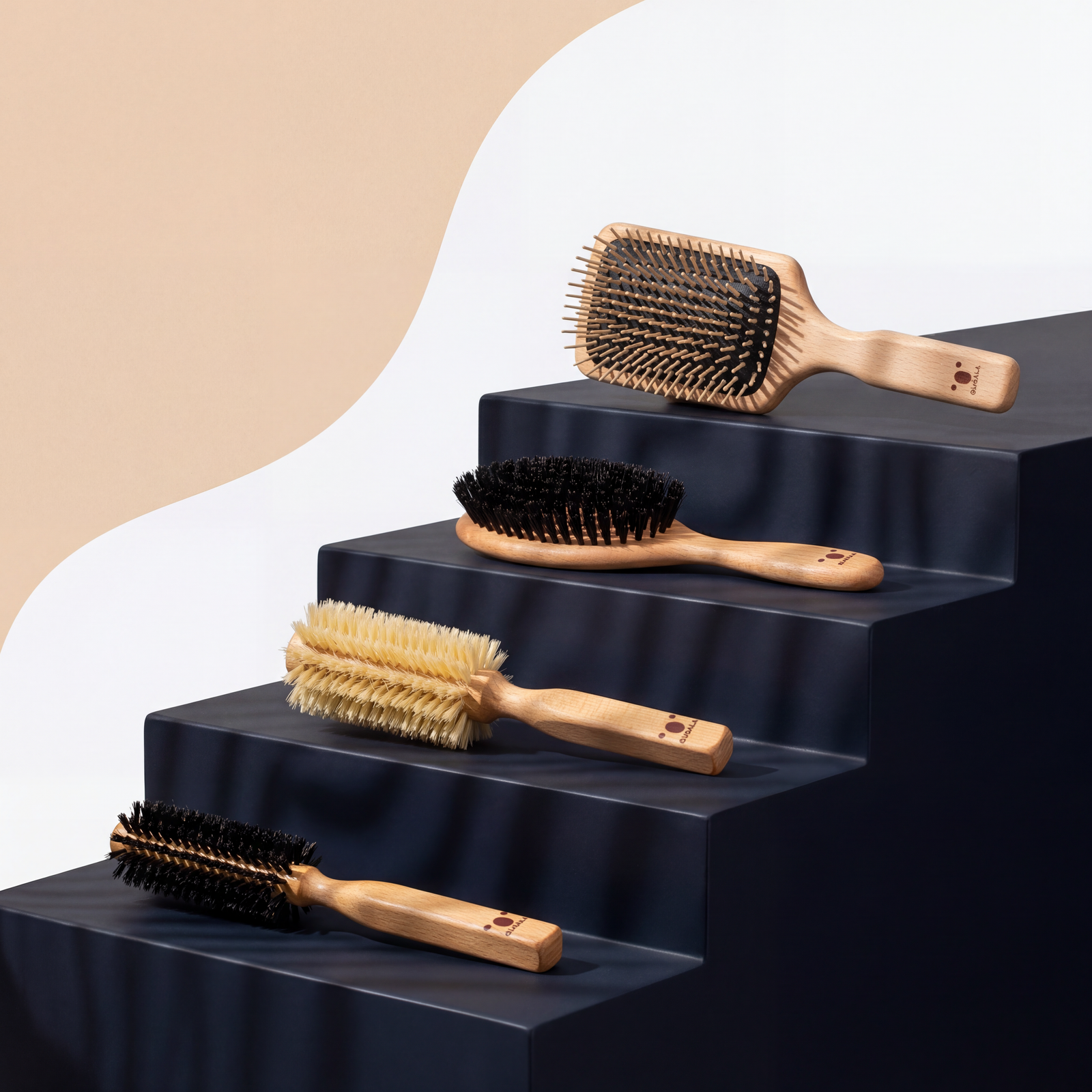
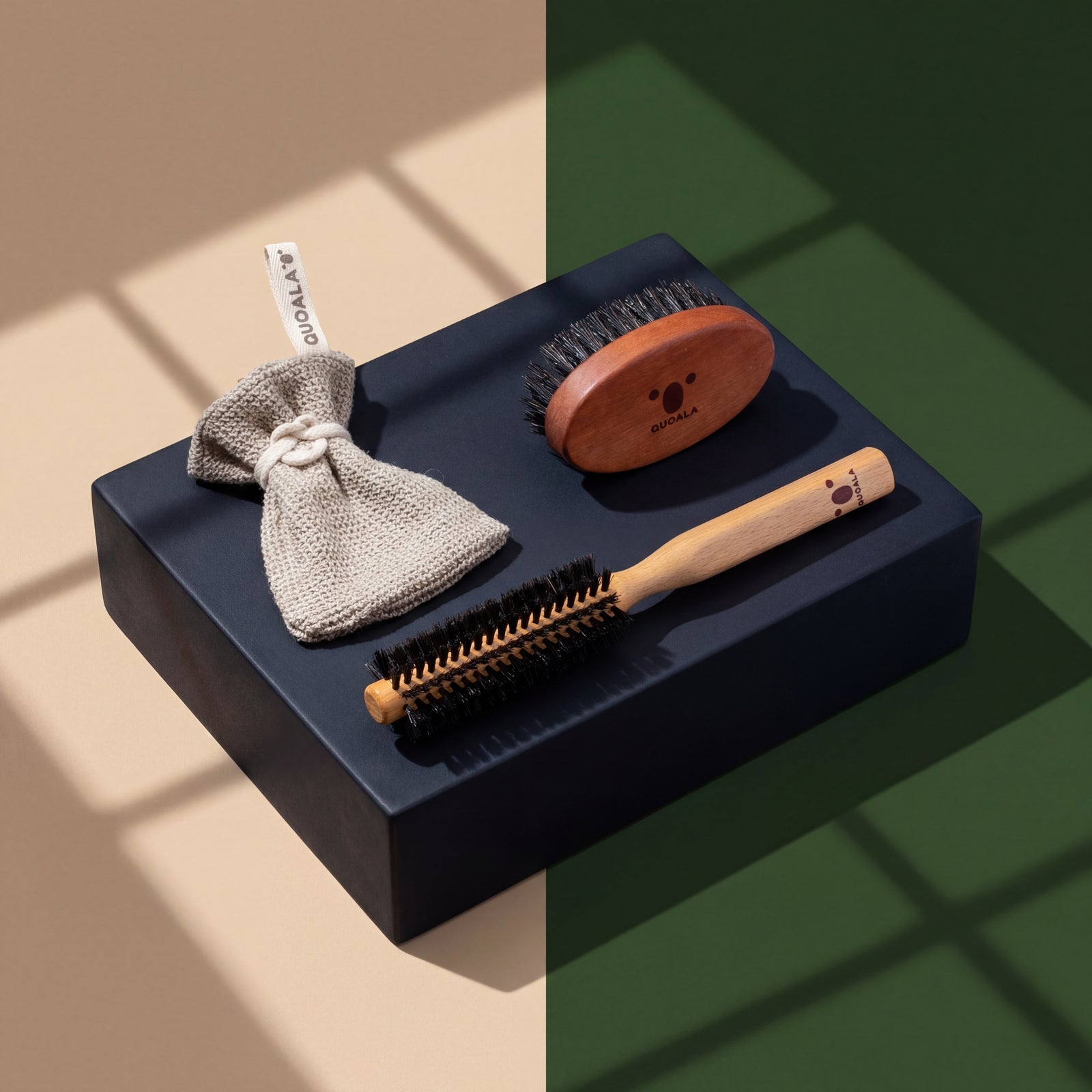
Based on the hairbrush framework, here are our large care brushes for daily sebum distribution and shine:

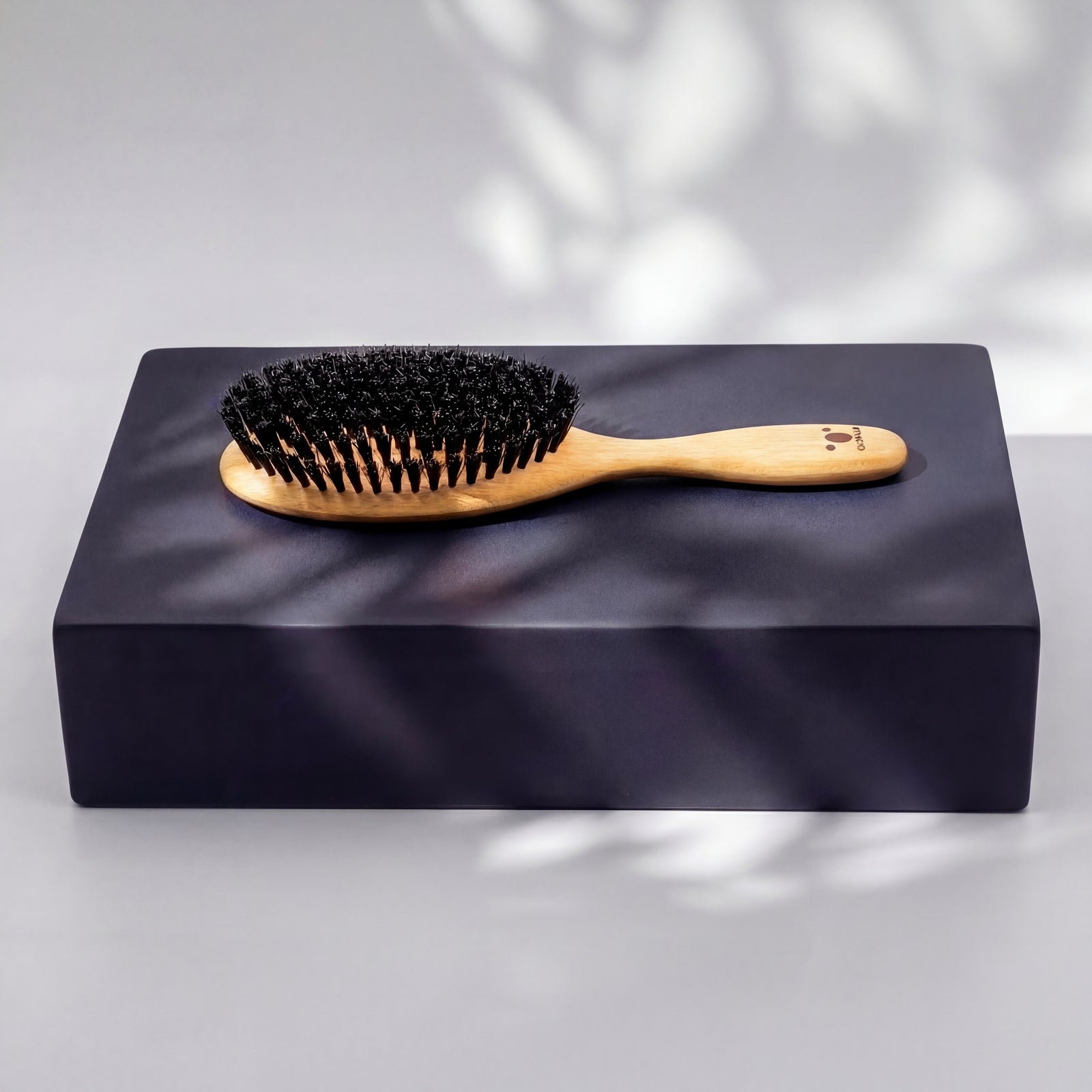
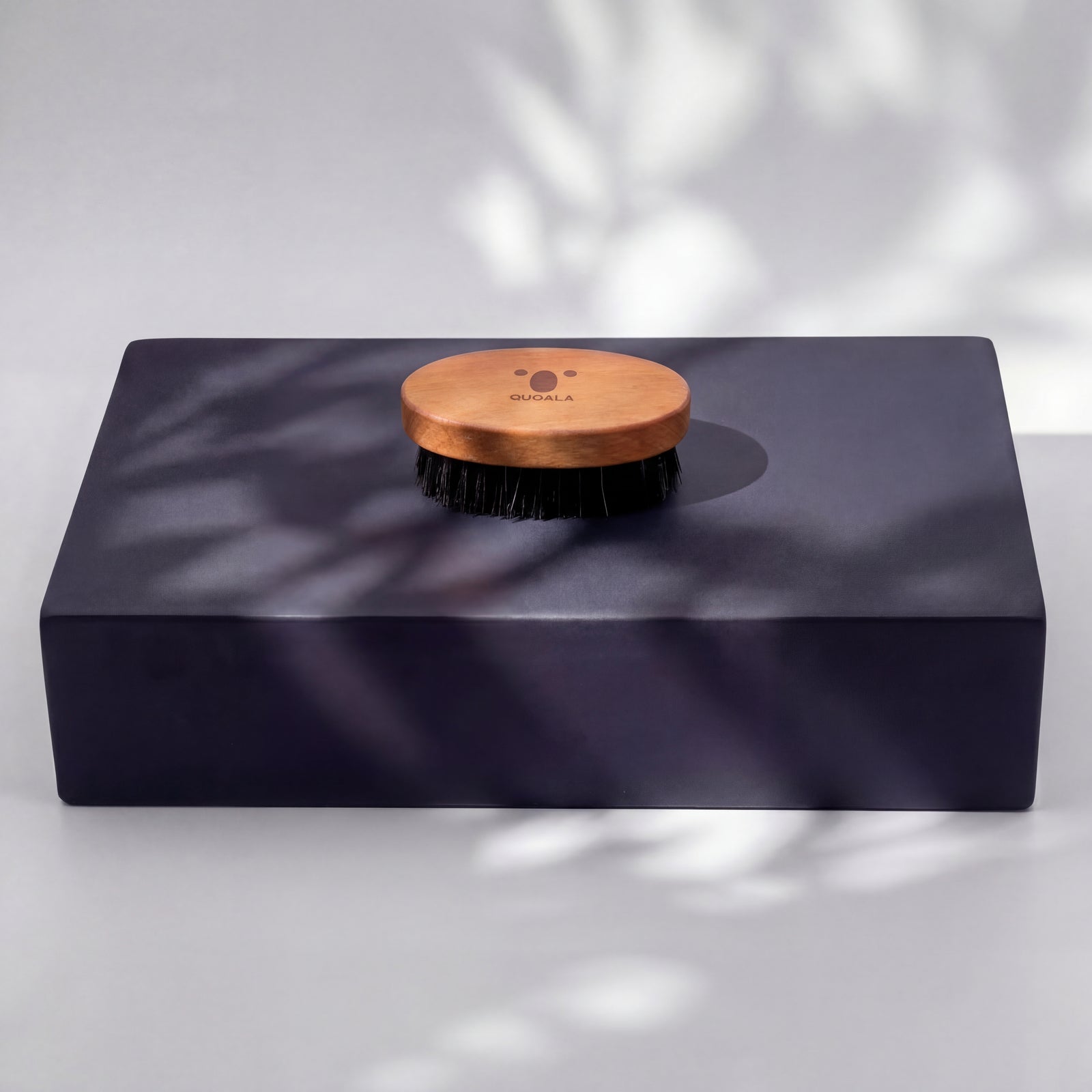
Large Hairbrush (Boar)
Ideal for fine to normal hair and sensitive scalps. Smooths the structure particularly gently.
To Product
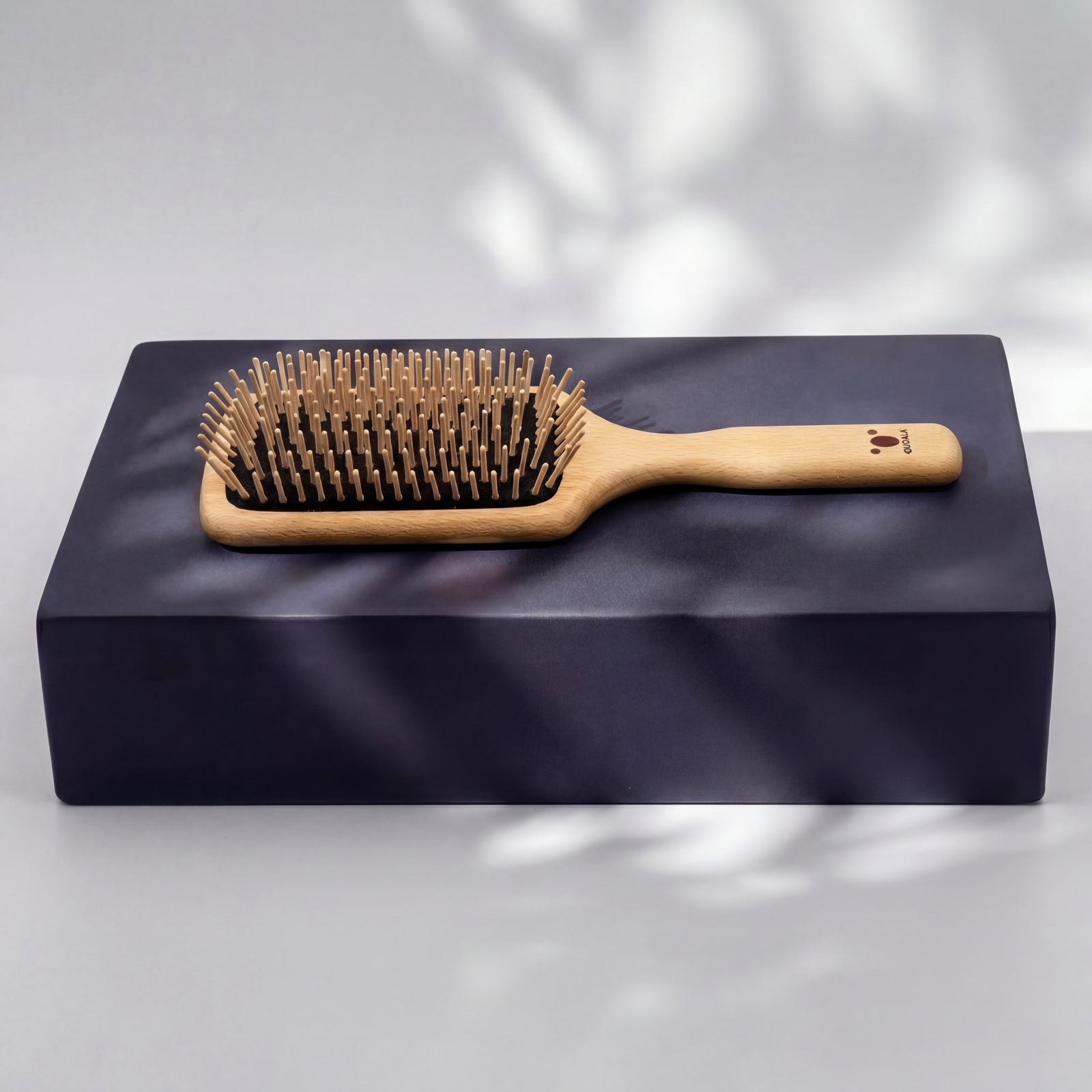
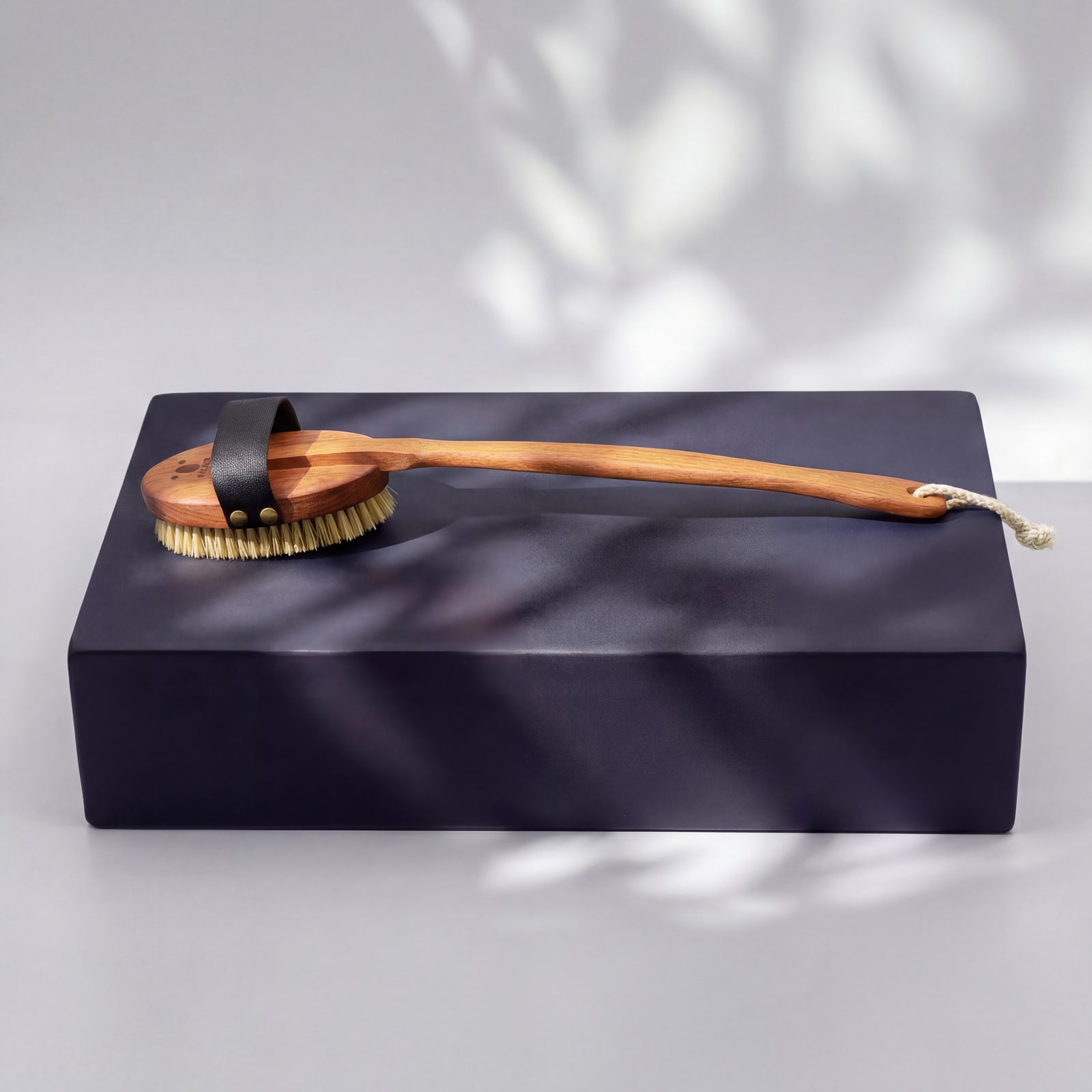
Large Hairbrush (Tampico)
100% vegan and firm. Perfect for dense, full hair and a vigorous scalp exfoliation.
To Product5. Blow-Dry Brushes (For Heat Styling & Volume)
Round brushes require tension and heat resistance when blow-drying. Both natural fibers do not melt (unlike plastic) and treat the hair optimally when heated:

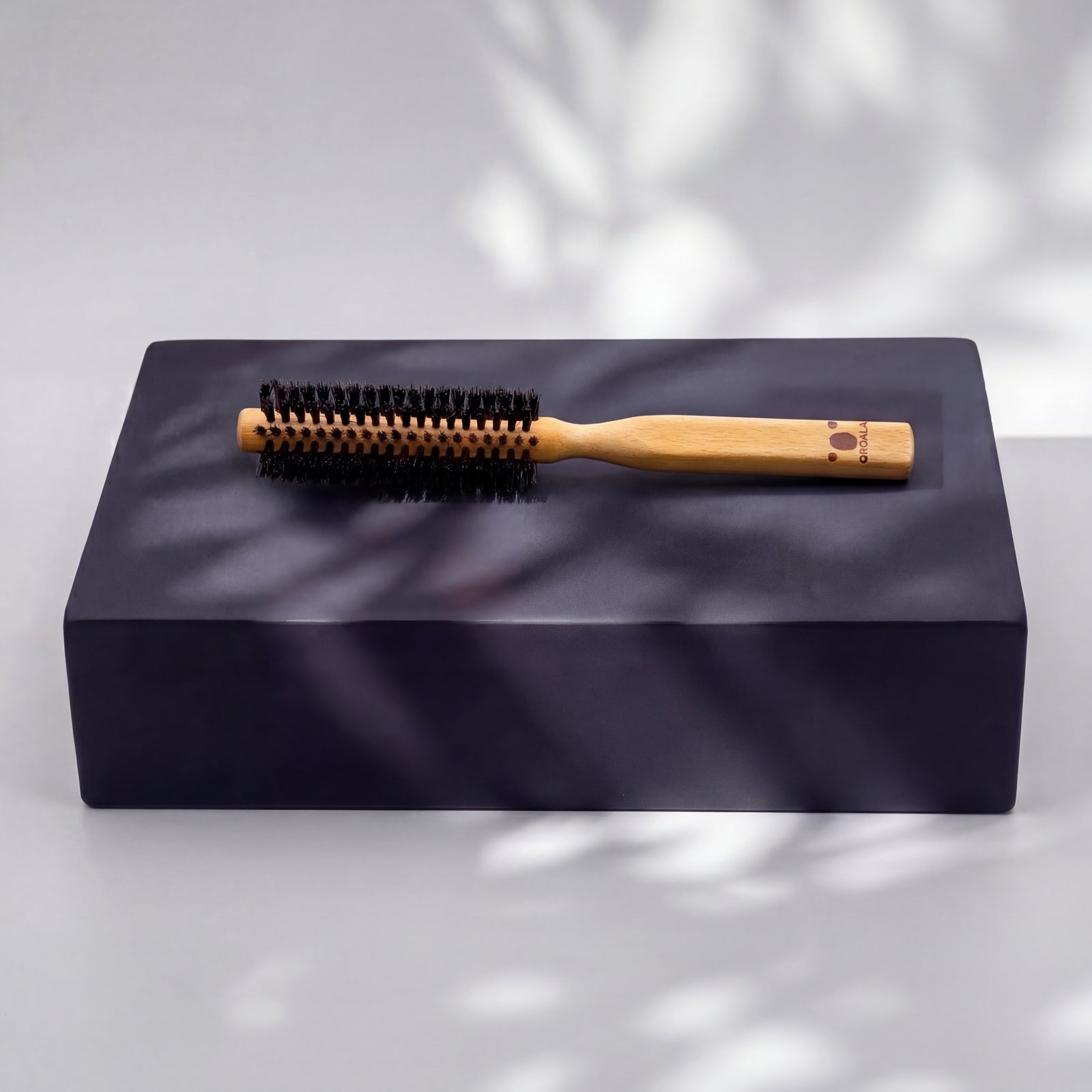
Small Blow-Dry Brush (Boar)
The fine grip of the boar bristle ensures maximum shine when blow-drying short to medium-length hair.
To Product
Medium Blow-Dry Brush (Tampico)
Extreme heat resistance and strong tension. Ideal for long hair, volume, and a quick blow-out.
To ProductConclusion: Neither fiber is "better" – they are merely specialized for different biological needs. Know your hair, evaluate your values, and consciously choose your QUOALA tool.

Discover the entire collection
Rely on uncompromising natural materials. Discover our high-quality hairbrushes and blow-dry brushes made from FSC-certified wood.
Scientific Evidence (Referenced)
- Plastic Brushes and Hair Damage: Scanning electron microscopy (SEM) studies show that poorly processed plastic bristles tear the hair's cuticle layers and promote static electricity. Evidence: International Journal of Trichology.
- Boar Bristle Structure: Animal bristles have the exact same morphological structure (keratin and cuticle layer) as human hair, guaranteeing optimal distribution of lipids (sebum). Evidence: Clarence R. Robbins (2012), "Chemical and Physical Behavior of Human Hair", Springer.
- Tampico Fiber Structure: Material analyses of agave fibers show a highly longitudinally grooved, porous micro-structure (hydrophilic). This allows even plant fibers to temporarily bind moisture and oils and release them to the hair. Evidence: "Characterization of Agave lechuguilla Fibers", Journal of Natural Fibers.