















"From tomorrow I'll get up an hour earlier, do yoga, write a journal and take a cold shower." That is how many morning routines begin, and a few days later nothing is left of them. It is rarely a matter of willpower. A morning routine that sticks is usually smaller than you think: a few fixed steps, in the same order every day, attached to something you already do. How long it takes to settle in, and how to build it, is well researched.
The key points at a glance
A morning routine sticks when it is small, happens in the same place every day and builds on an existing habit. That is exactly what habit stacking does: "After brushing my teeth, I will …". In the most-cited study, it took a median of 66 days for a new behaviour to feel automatic, with a range of 18 to 254 days, and missing a single day hardly mattered [1]. The 21 days are a myth. Concrete if-then plans clearly increase the chance that you actually follow through on an intention [2] [3].
Contents
- 1. What makes a good morning routine?
- 2. How long does it take for a morning routine to stick?
- 3. Habit stacking: the method for your morning routine
- 4. Building a morning routine in five steps
- 5. The brushing ritual as a building block
- 6. Which brush fits your morning routine?
- 7. Frequently asked questions
1. What makes a good morning routine?
There is no single right morning routine. No study prescribes what you should do in the morning. Research is fairly clear, however, about which qualities make a habit stronger. An analysis published in 2026 followed 254 people over six months to see how their habits developed. A habit grew stronger when the behaviour was frequent and took place in a stable setting, when people wanted it for their own reasons, and when it left them feeling pleased and energised. The harder they found the behaviour, the weaker the habit stayed [4].
Applied to your morning, that means:
- Choose what you want, not what you supposedly should do.
- Every day rather than now and then. A short step every day settles in more easily than a long programme three times a week.
- Same place, same order. Mornings are ideal for this, because for most people they run in a similar way anyway.
- Easy and pleasant. What feels like a chore lasts less long.
Which building blocks you choose is up to you: a glass of water, a few minutes of daylight, movement, body and hair care, a calm breakfast. What neuroscientist Andrew Huberman recommends on morning light, water and exercise is covered in a separate article: Andrew Huberman: routines for more energy in everyday life. This article is about the next question: how such building blocks become a routine that lasts.
Summary: A good morning routine
It is not the choice of building blocks that decides, but their form: self-chosen, daily, in the same place, easy. In studies, that is how habits grow stronger. → Our standard: Practice
2. How long does it take for a morning routine to stick?
Closer to two months than three weeks, and very different from person to person. The best-known study on this comes from Phillippa Lally and colleagues at University College London [1]. 96 volunteers chose a new eating, drinking or activity behaviour and carried it out daily for twelve weeks in the same context, for example "after breakfast". Each day they rated how automatic the behaviour felt.
- A median of 66 days passed until automaticity had almost reached its peak.
- The range ran from 18 to 254 days. For some it was quick, for others it took well over half a year.
- Missing a single day did not materially set the process back.
- Exercise tended to take longer than eating or drinking, about one and a half times as long. The difference was not statistically significant.
And the 21 days? We have not found a study that supports this number. If you still have to think about your routine after three weeks, you are not doing anything wrong.
Context: The 66 days are the median of 39 people whose data could be modelled well, not of all 96. Participants were mostly students around 27, and they rated automaticity themselves [1]. The number is a good guide, not a law.
Summary: How long it takes
A median of 66 days, range 18 to 254 days. The 21 days are not supported. A missed morning is no setback; what matters is carrying on the next day. → Our standard: Practice
3. Habit stacking: the method for your morning routine
Habit stacking means attaching a new habit to one that is already in place. The formula is "After [current habit], I will [new habit]". The term was popularised by author James Clear in his book "Atomic Habits". He himself describes habit stacking as a special form of an if-then plan; according to Clear, the method goes back to behaviour researcher BJ Fogg.
If-then plans, known in research as "implementation intentions", are well studied. Psychologist Peter Gollwitzer describes how they hand control of a behaviour over to an anticipated situation: when the situation arises, the behaviour starts almost by itself [2]. A meta-analysis of 94 independent tests found a medium-to-large effect on reaching goals [3]. These studies looked at intentions of all kinds, not specifically at morning routines, but the principle transfers directly.
Mornings are especially suited to this, because they are full of fixed anchors. A few examples:
- After getting up, I drink a glass of water.
- While the coffee is brewing, I step into daylight for a moment.
- After brushing my teeth, I dry brush for two minutes.
- After showering, I apply moisturiser.
How much the familiar setting matters is shown by a study of students who transferred to a new university: their habits of exercising, reading the paper and watching TV only survived the move when key circumstances stayed the same [5]. For you, this means: if your morning routine fades on holiday, that is normal. It comes back once your usual routine does.
Summary: Habit stacking
"After X, I will Y": habit stacking is an if-then plan with an existing habit as the trigger. If-then plans show clear effects in studies, and mornings offer plenty of fixed anchors for them. → Our standard: Practice
4. Building a morning routine in five steps
The studies above add up to a simple sequence:
- Choose an anchor. Something you are sure to do every morning: getting up, brushing your teeth, putting the coffee on, showering.
- Start small. Small enough to manage even on a tired morning. The easier a behaviour feels, the more likely it becomes a habit [4].
- Write the sentence down. "After brushing my teeth, I will dry brush for two minutes." A concrete if-then plan works better than a general intention [3].
- Fix the place. What you need is kept where it happens. A stable setting carries the habit [4] [5].
- Carry on rather than start over. Missing a day does little harm [1]. What counts is the next morning. Only add a new building block once the first one feels natural.
Example: a quick morning routine in about ten minutes
- After getting up: a glass of water.
- While the coffee brews: a few minutes of daylight, ideally outdoors.
- After brushing your teeth: two to three minutes of dry brushing, slowly.
- After the shower: moisturise.
- Before breakfast: brush your hair through once, calmly.
This is a suggestion, not a programme. Start with a single link of this chain and add the next one once the first is running.
Summary: Five steps
Choose an anchor, start small, write down the if-then sentence, fix the place, simply carry on after a lapse. Expand only once the first building block is in place. → Our standard: Practice
5. The brushing ritual as a building block
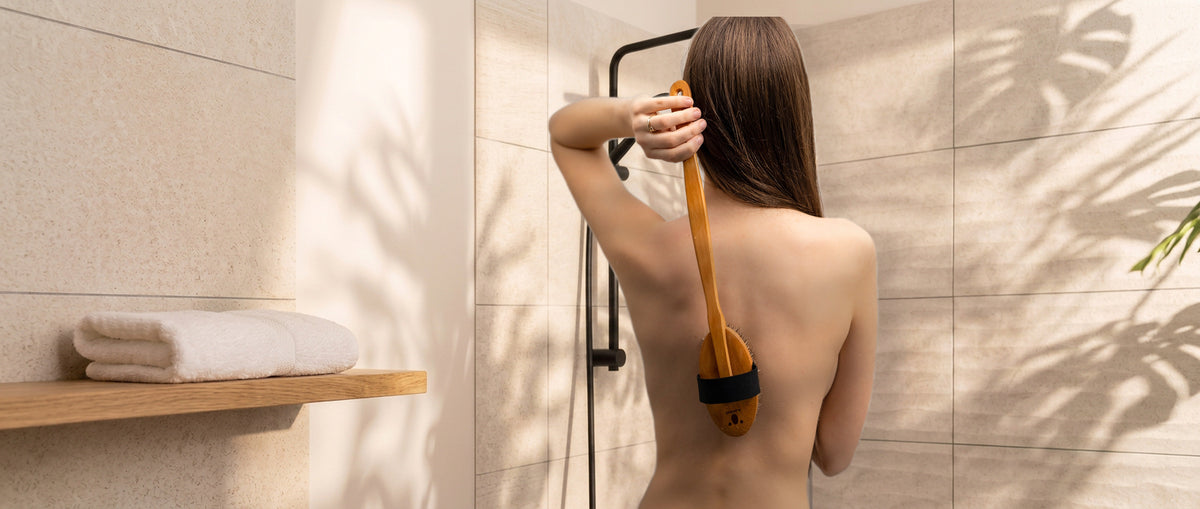
At QUOALA, one of our three standards is Practice: self-care as a daily ritual that is in your own hands. A morning routine is exactly that. It does not need a product. But if you want to include a short body or hair care step anyway, brushing is a building block that suits habit stacking well: a fixed place in the bathroom, a fixed moment before or after the shower, a few minutes.
What we can back up:
- Slow feels best. In one study, stroking at about 1 to 10 centimetres per second was chosen most often, roughly a hand's width per second [6]. It was measured with a soft brush on the arm, not with a body brush.
- Pig bristles glide gently. They have a soft tip and a scaly structure that takes dead skin flakes with it [7].
- Brush first, moisturise after. Once dead cells are removed, the skin takes up care products better [8]. That makes a natural order: brush, shower, moisturise.
- Boar bristles spread sebum through the hair. Animal bristles carry the skin's own oil from the scalp into the lengths, which adds shine without any product [9]. How often that makes sense is covered in Is brushing your hair healthy? How often and with what.
We do not promise that brushing makes you more awake. We have no evidence for that. What it gives you is a short, quiet moment for yourself, every morning in the same place. Skip irritated or broken skin. How dry brushing works step by step is explained in our Dry Brushing Guide.
Summary: The brushing ritual
Brushing fits into a morning routine as a short building block: slowly, before the shower, then moisturise. Boar bristles spread sebum through the hair. We make no promise that it wakes you up.
6. Which brush fits your morning routine?
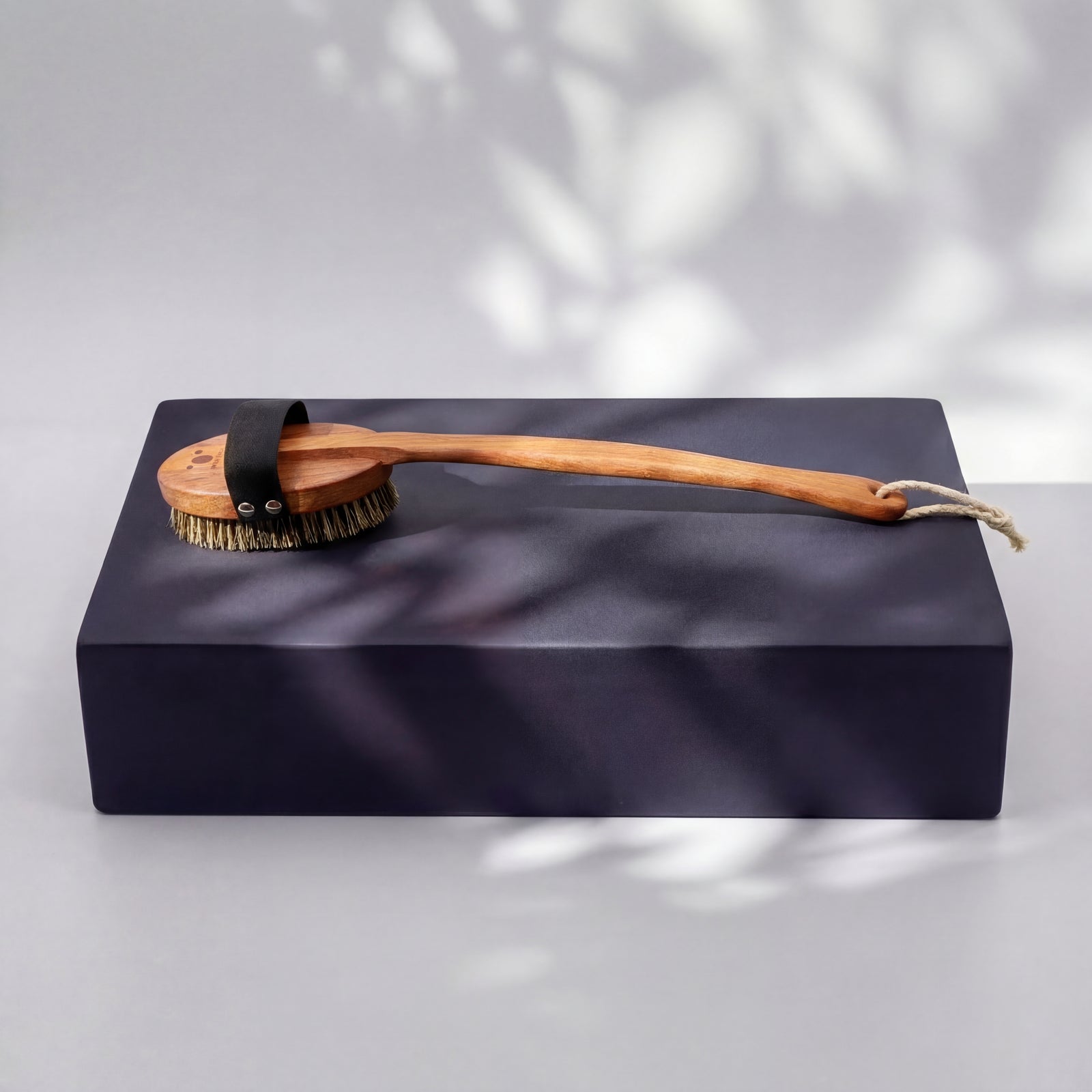
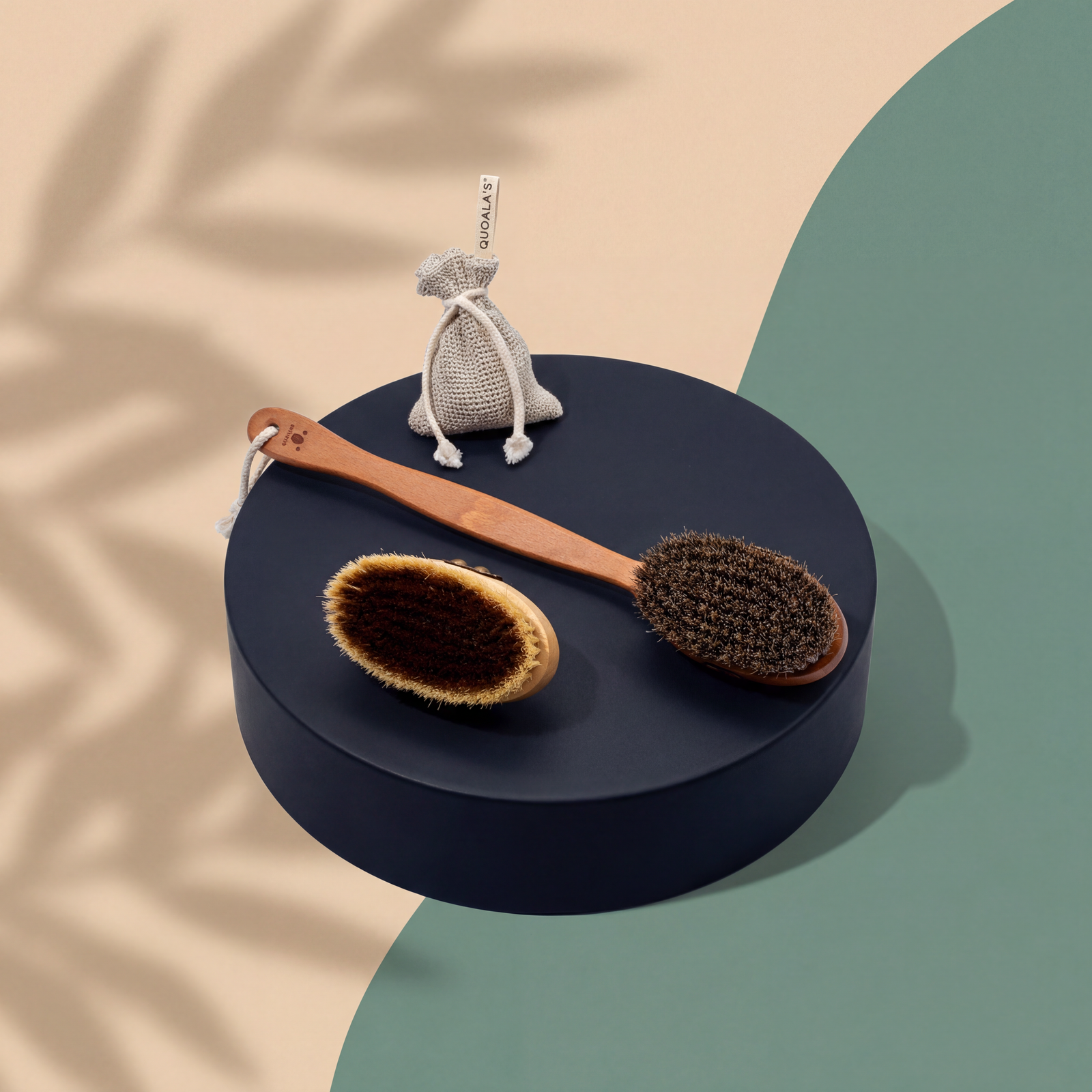
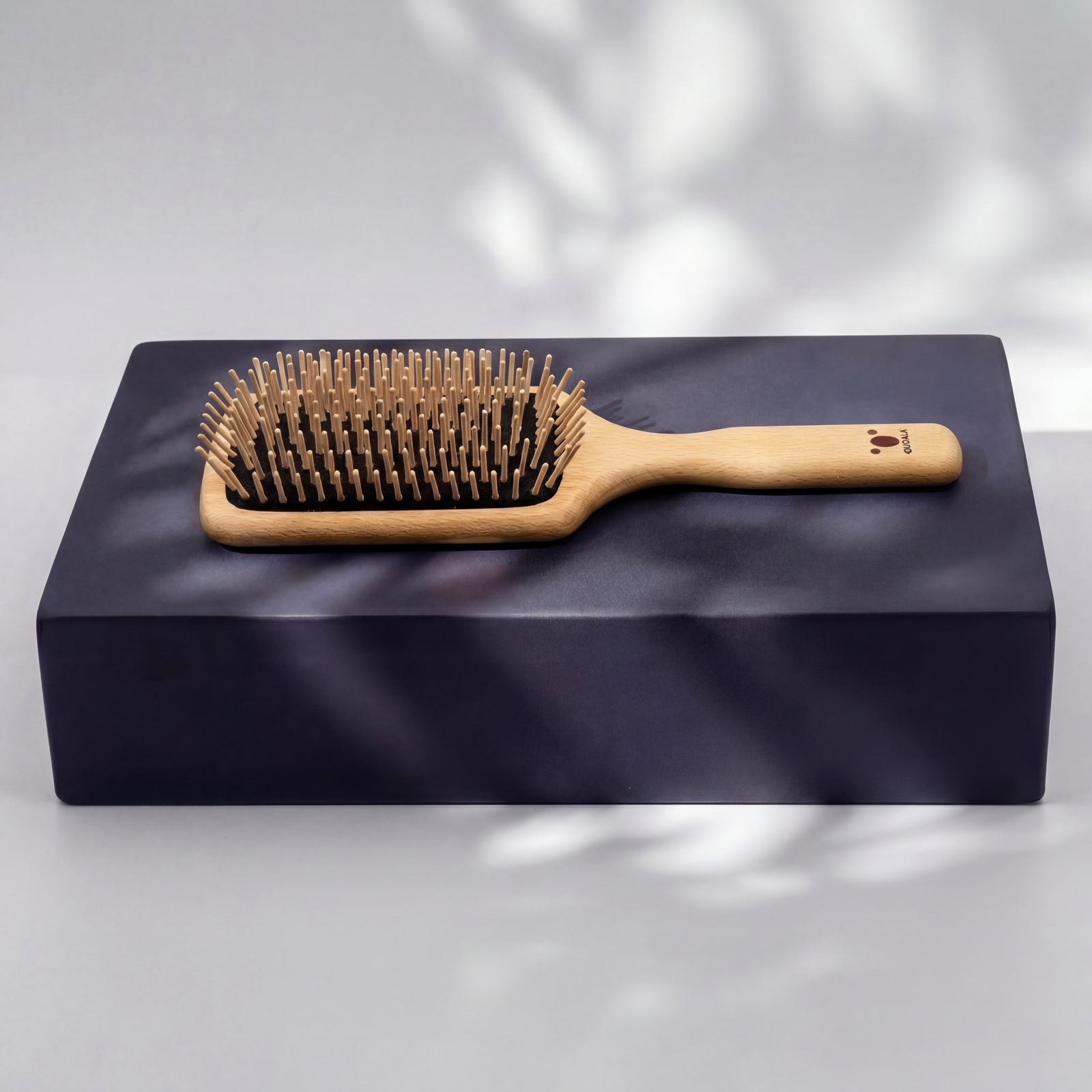
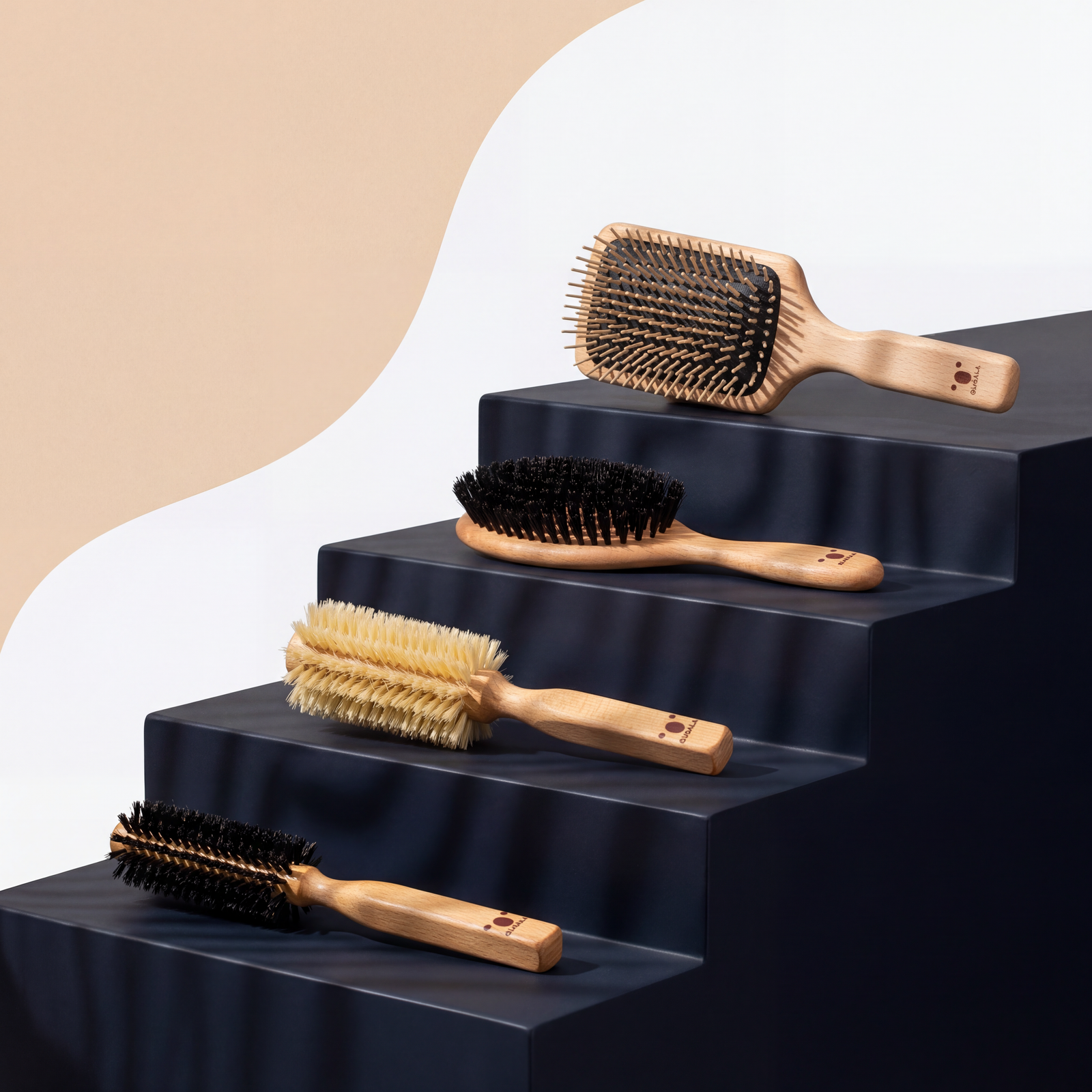
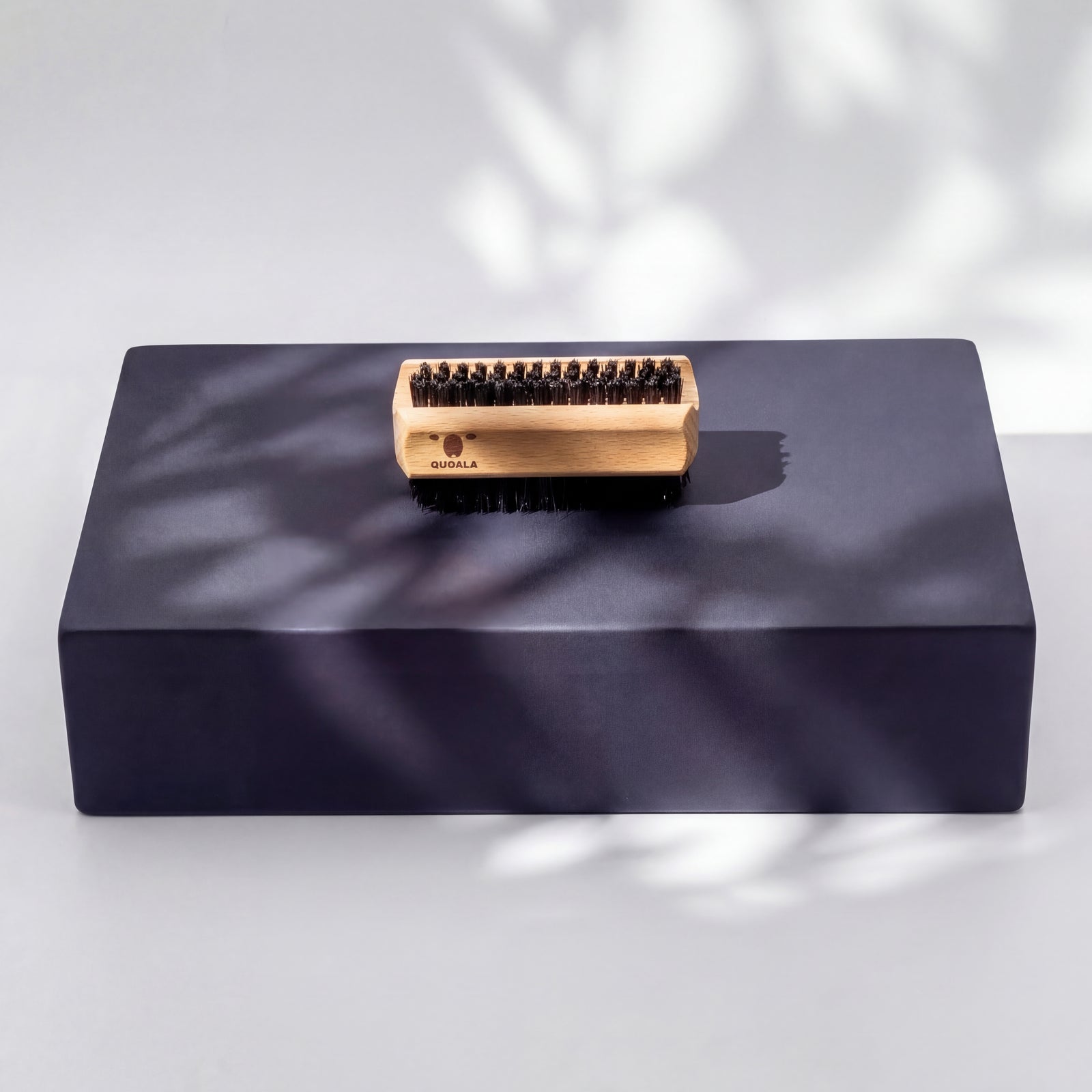
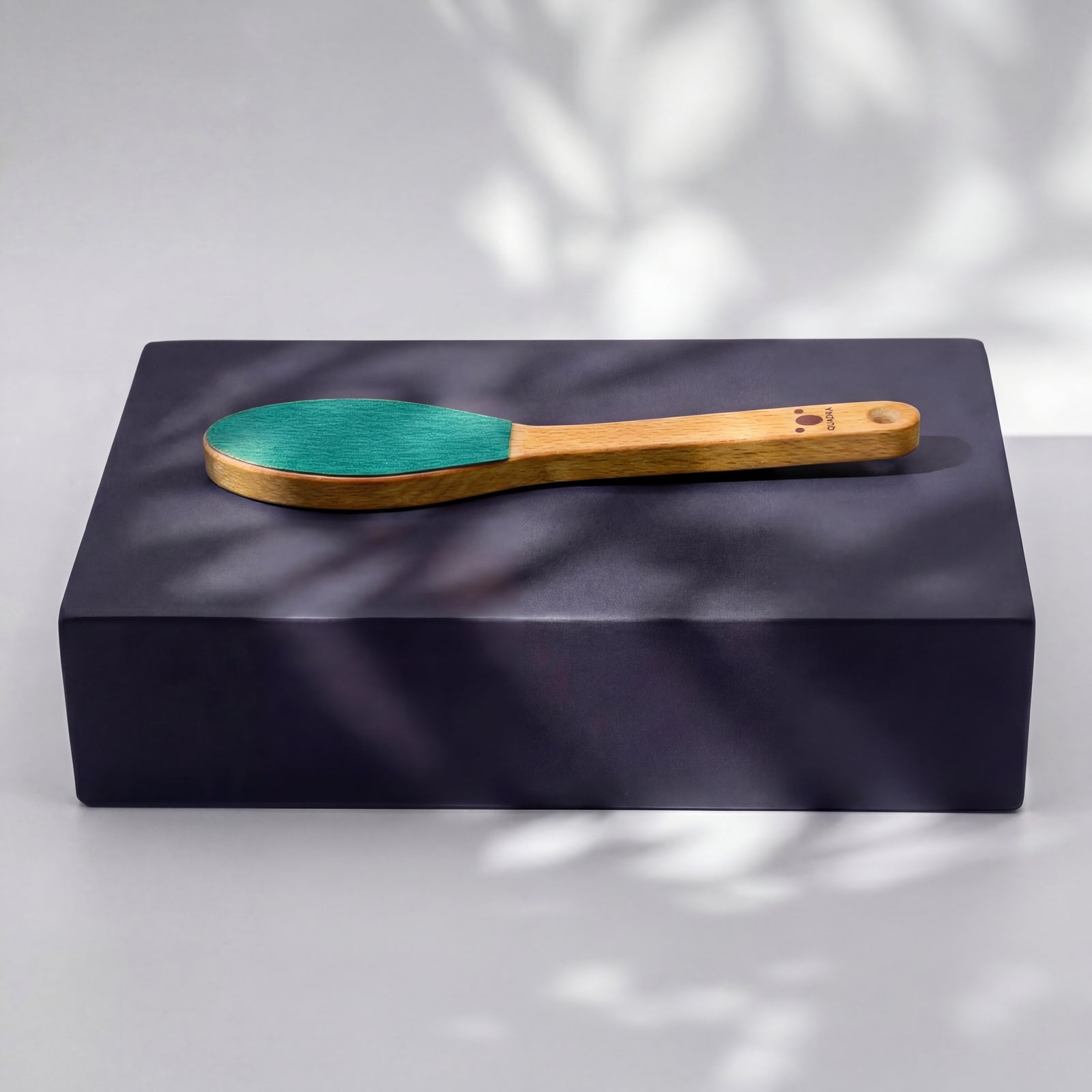
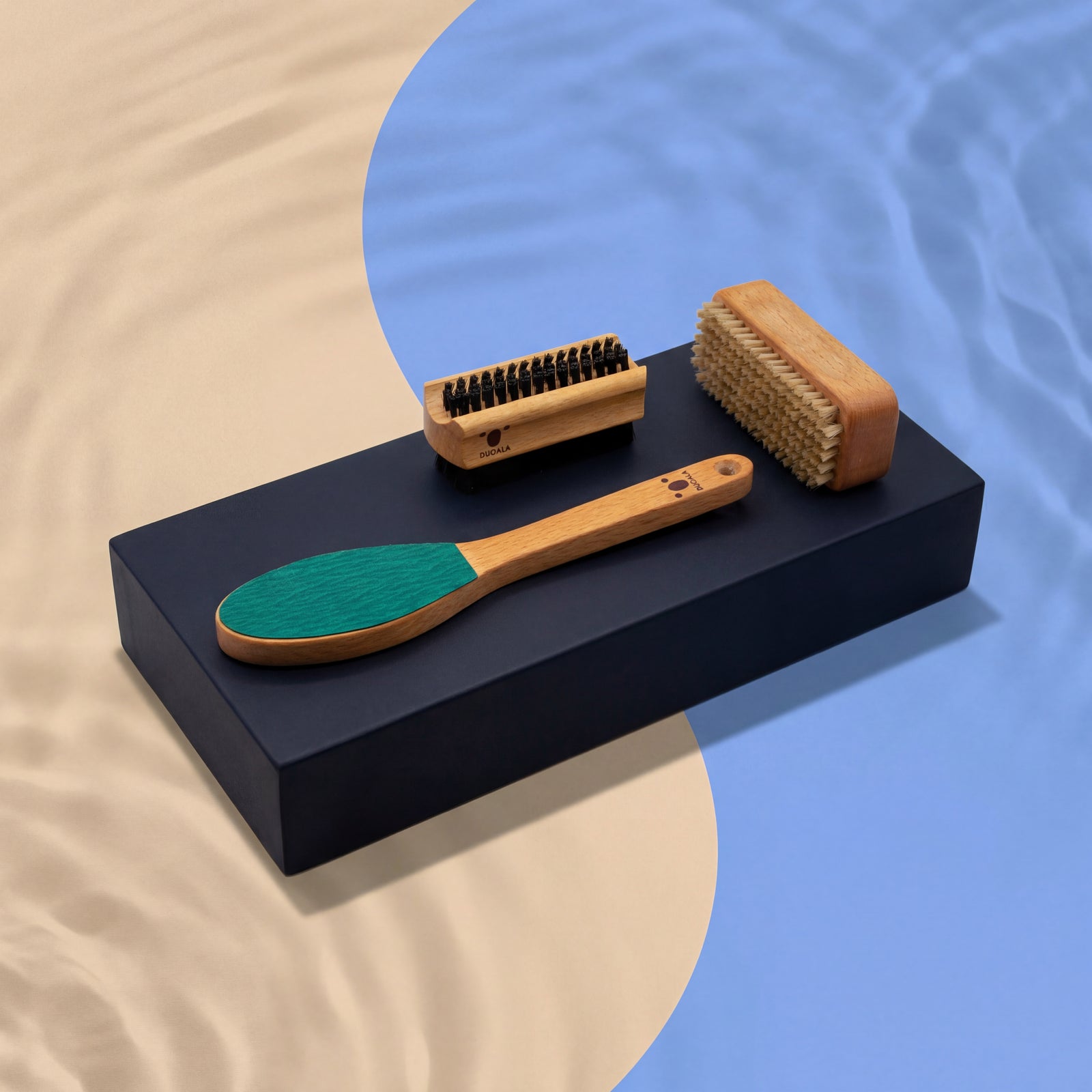
For the body, a bath brush with a long handle that also reaches your back; for your hair, a brush with animal bristles. Which bristle you choose depends on how firm you like it.

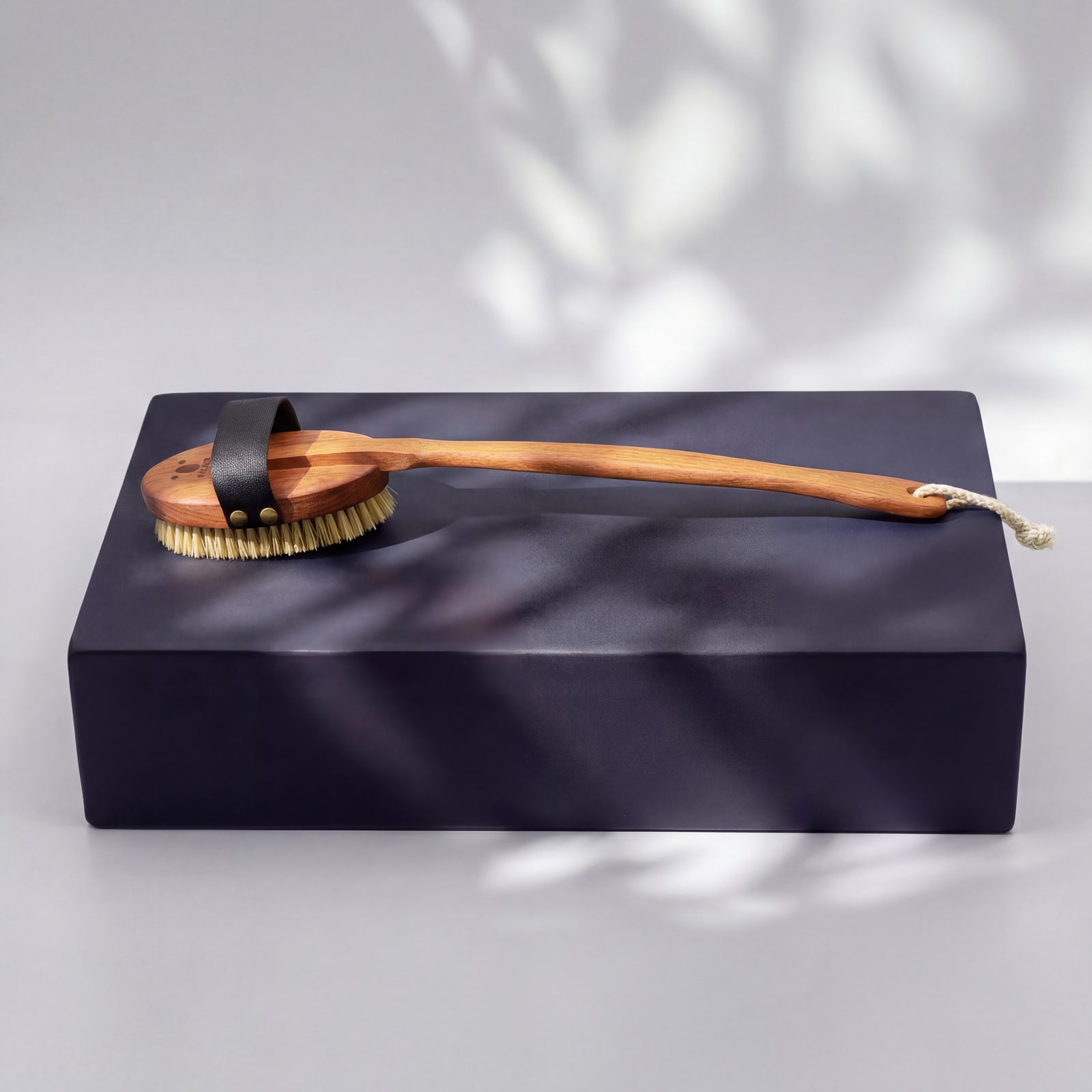
Bath brush, pig bristles
Soft. Pig bristles glide gently over the skin and take dead skin flakes with them [7]. For beginners and anyone who likes it gentle.
View product
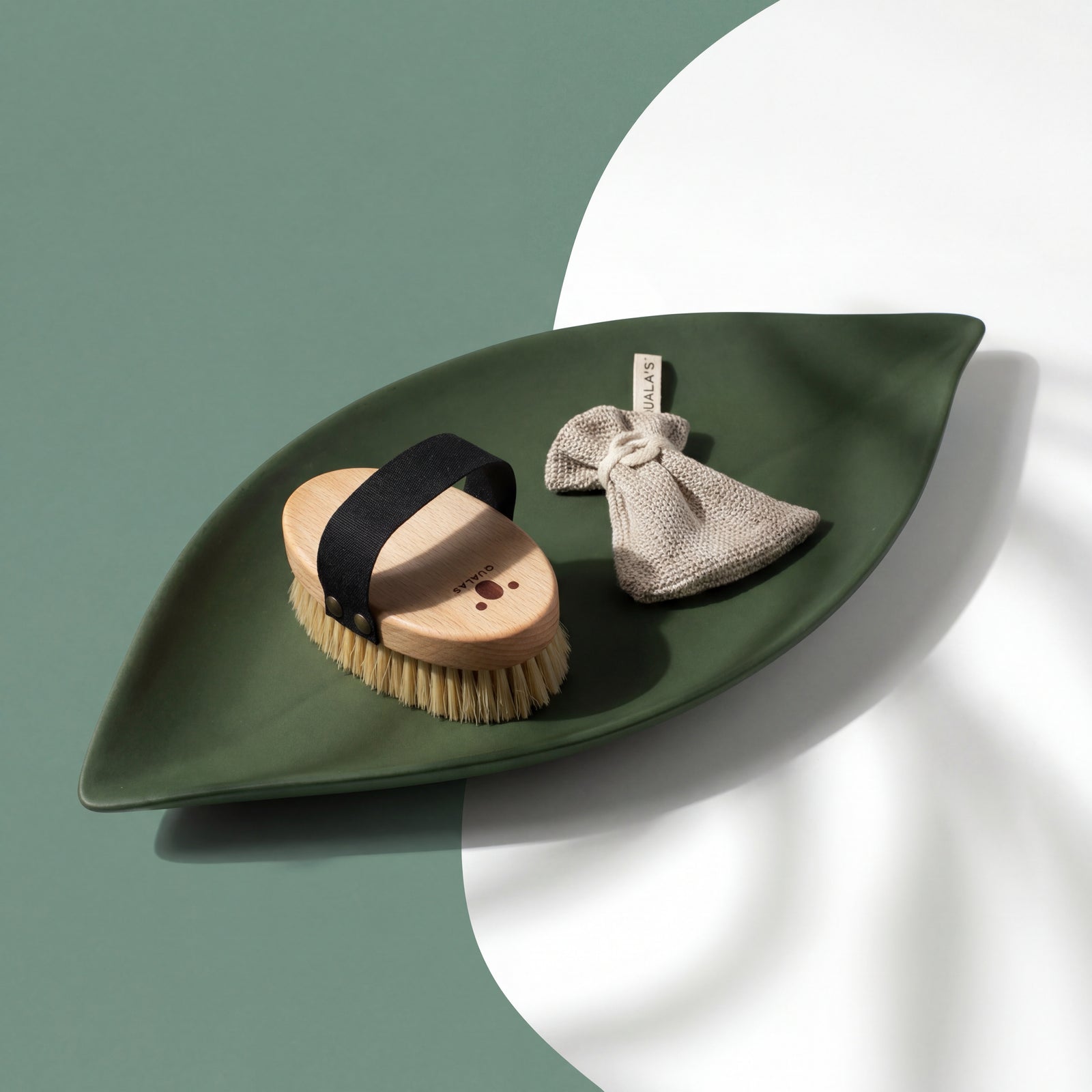
Bath brush, tampico
Firm and vegan. The stronger plant fibre for anyone who likes a more intense stroke or prefers to brush without animal bristles.
View product
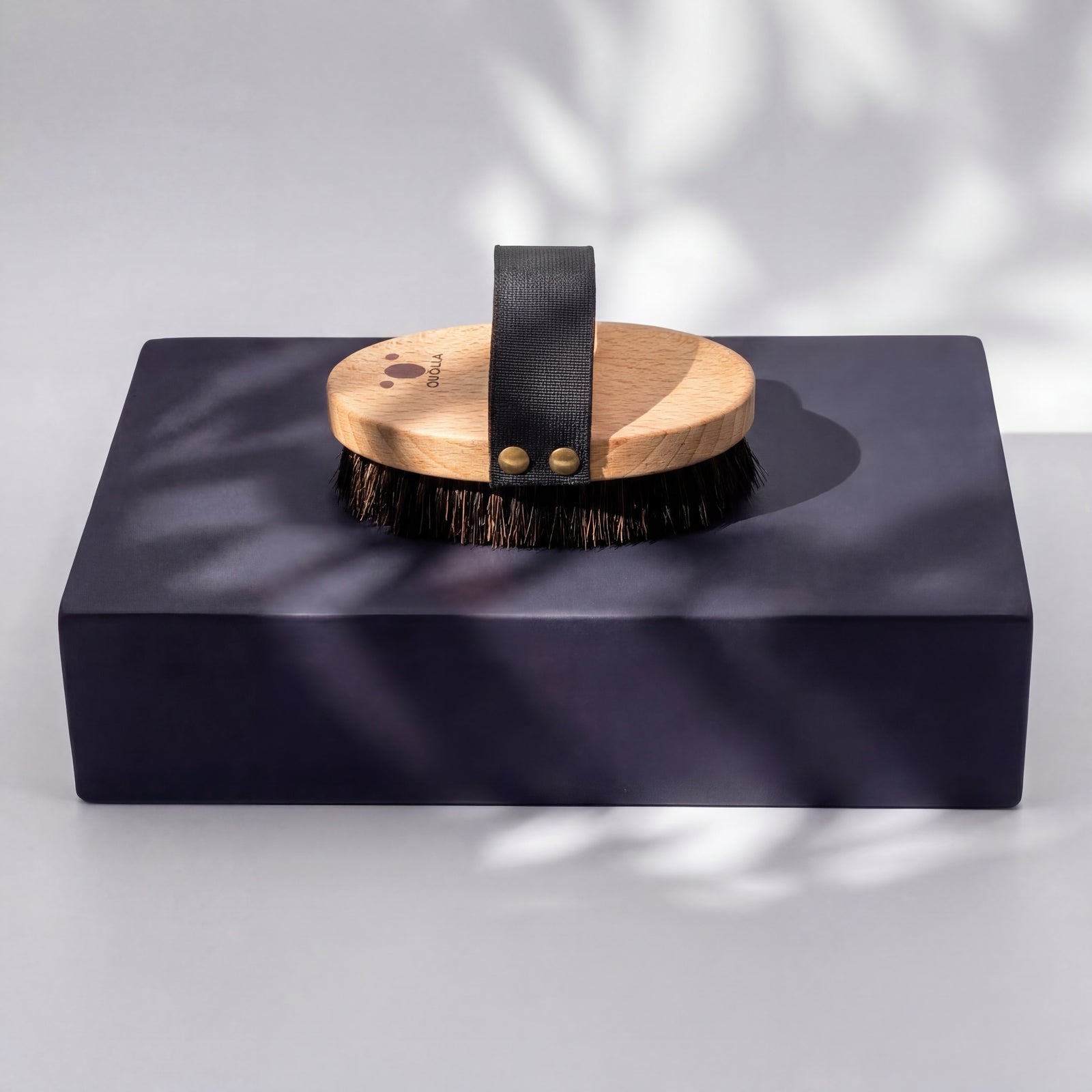
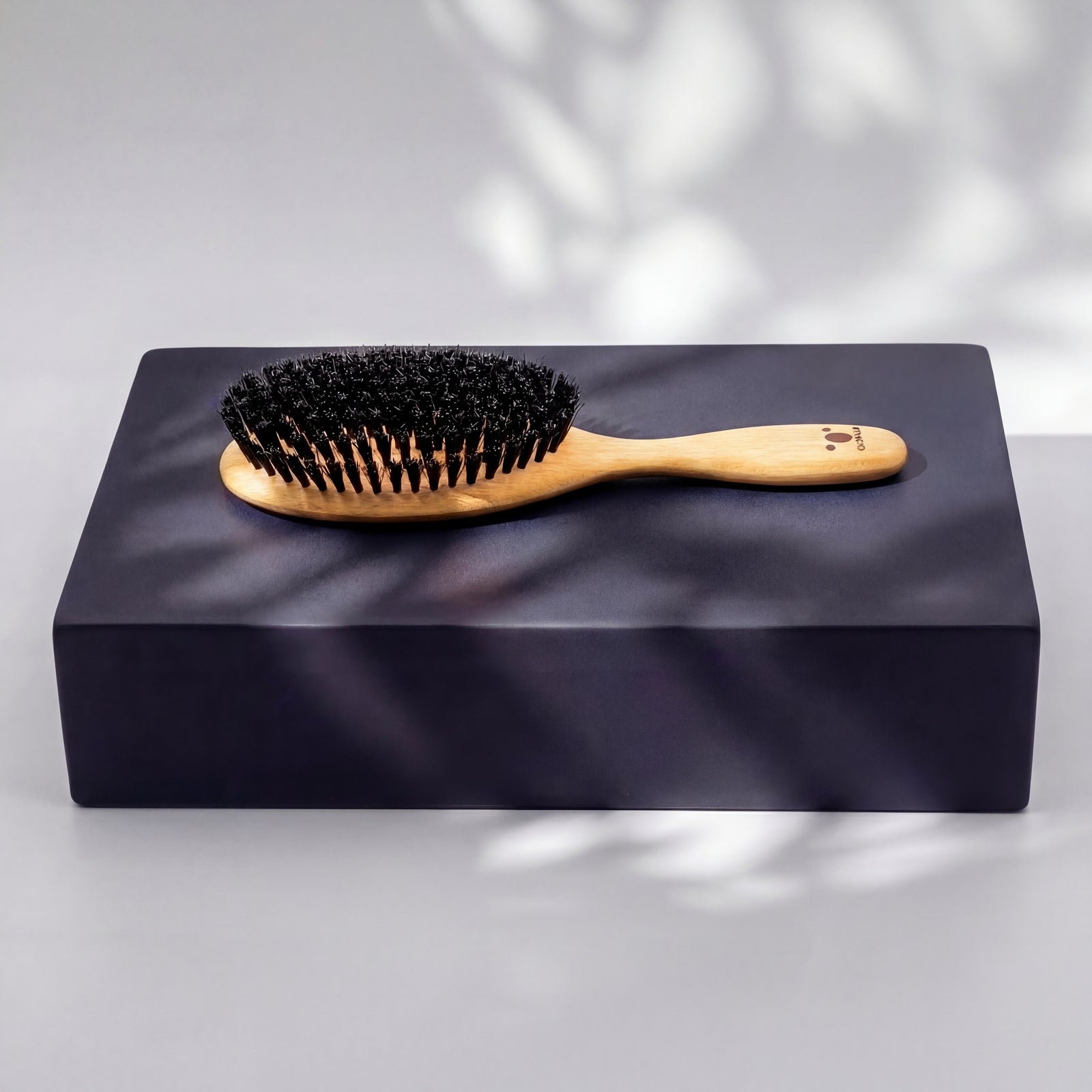
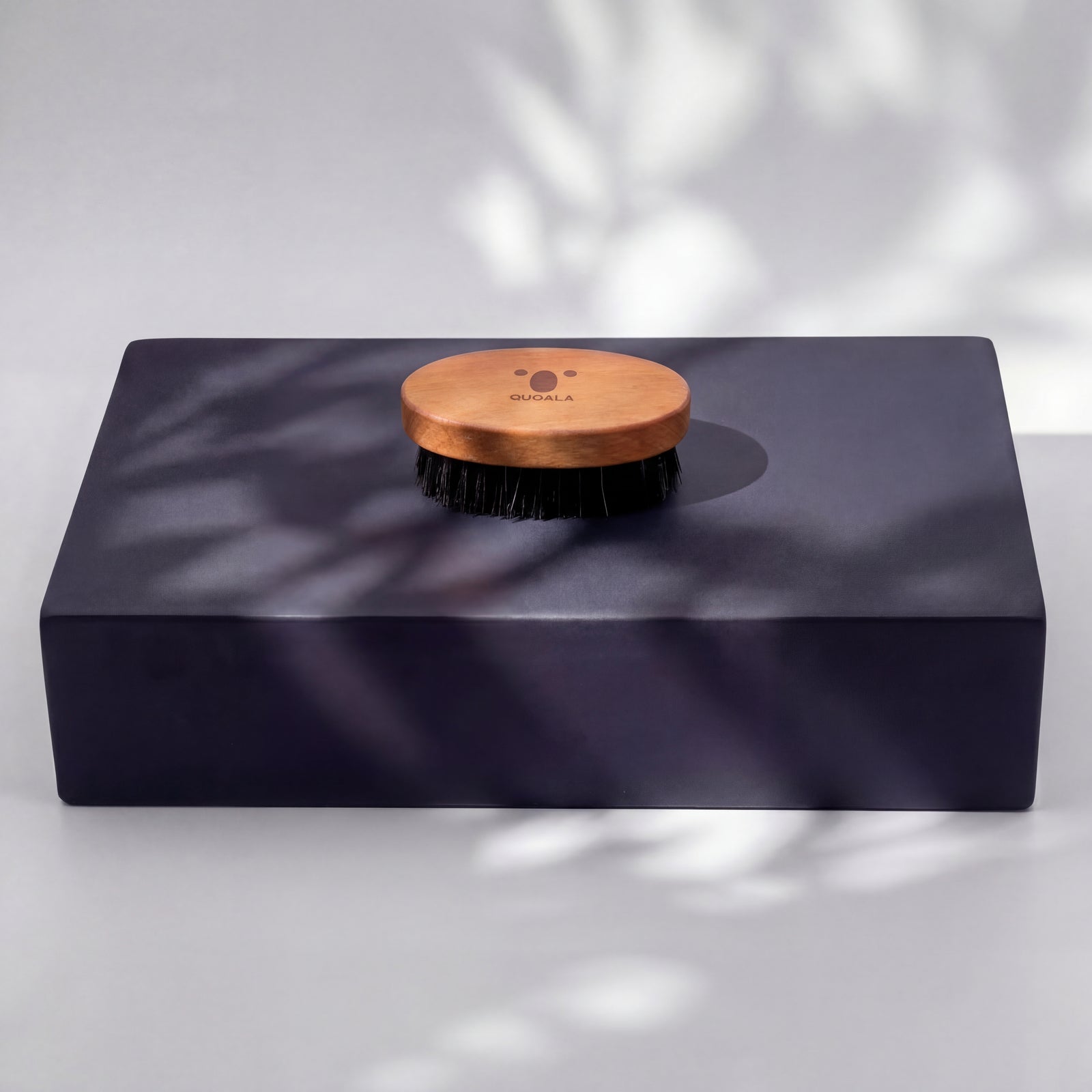
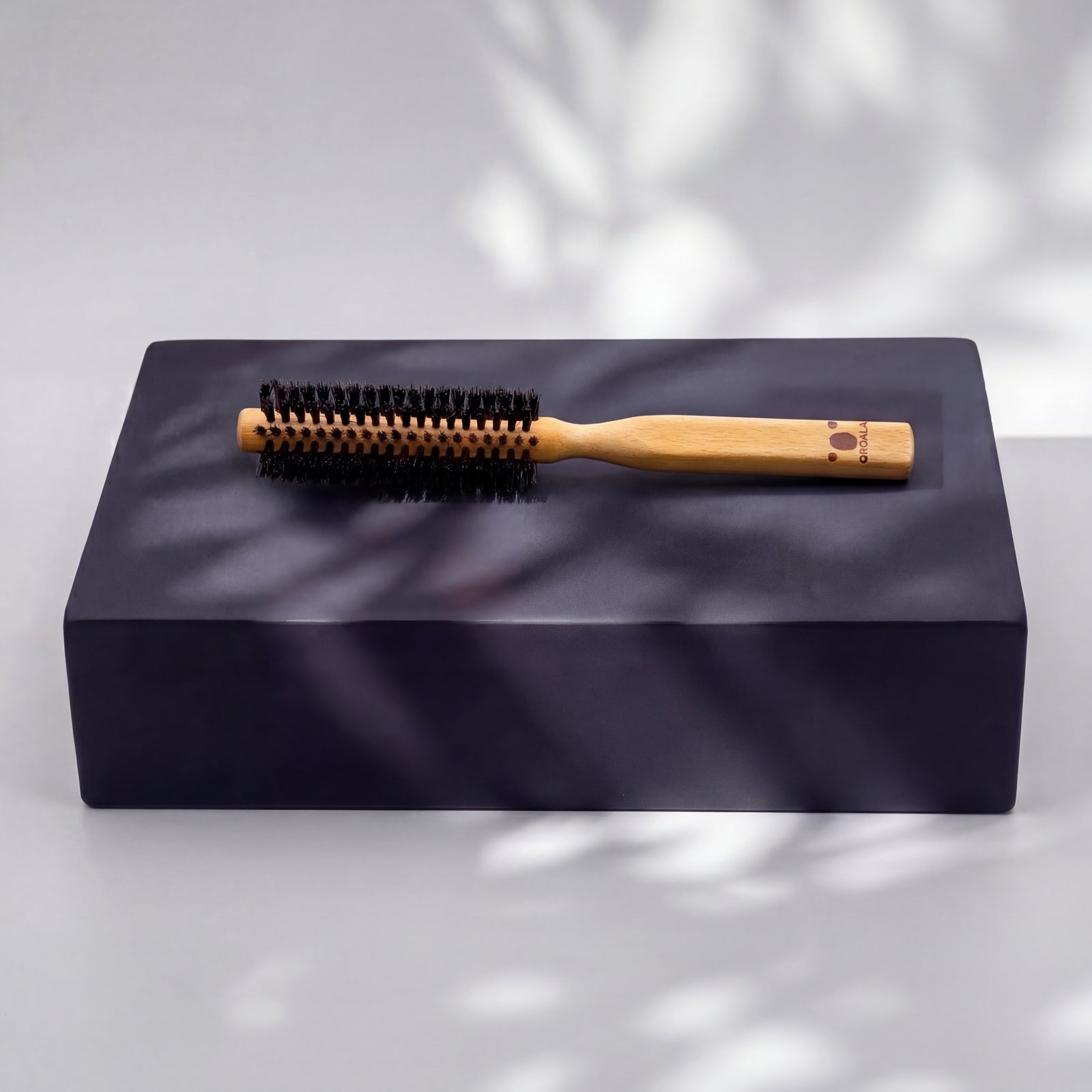
Hair brush, boar bristles
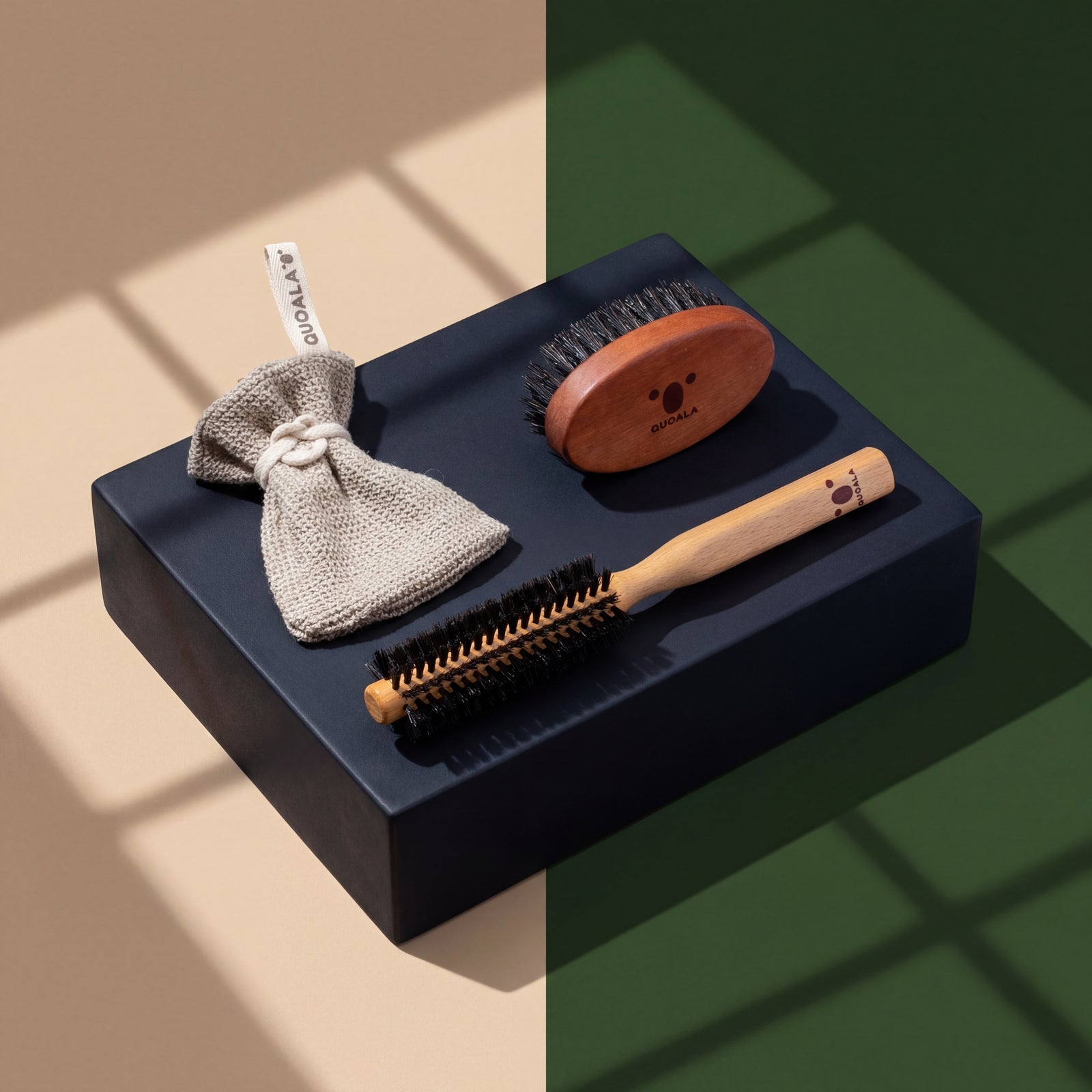
Medium-firm. The scaly structure of boar bristles spreads sebum into the lengths [9]. For a calm brush-through in the morning.
View productSummary: The right brush
Pig bristles for a gentle start, tampico for a firmer, vegan stroke, boar bristles for your hair.
7. Frequently asked questions
What belongs in a good morning routine?
Whatever you want and can manage every day. There is no fixed list. Habits grow stronger when they happen often, in the same place, willingly and without much effort [4]. Popular building blocks are water, daylight, movement and a short body care step.
How long does it take for a morning routine to become a habit?
In the best-known study, a median of 66 days, with a range of 18 to 254 days [1]. The often-quoted 21 days are not supported.
What is habit stacking?
You attach a new habit to an existing one: "After brushing my teeth, I will …". It is a form of if-then plan, and in studies such plans clearly increase the chance of following through on an intention [3].
What does a quick morning routine look like?
Three to five short steps, each attached to a fixed anchor, for example water after getting up, daylight while the coffee brews, brushing after brushing your teeth, moisturising after the shower. The example above takes about ten minutes.
What if I skip a morning?
Simply carry on the next morning. In the study, missing a single day did not materially set back habit formation [1].
Morning routine or evening routine, which is better?
It depends on when your day runs more reliably. We know of no study comparing the two. The rules are the same: small steps, a fixed place, attached to an existing habit, in the evening for example to brushing your teeth.

One more step in the morning
Your morning routine does not need a product. If you want to add brushing: our bath brushes have handles made of FSC-certified beech wood and are made to last for years.
Sources and further reading
Scientific sources
- Lally, van Jaarsveld, Potts & Wardle (2010), How are habits formed: Modelling habit formation in the real world, European Journal of Social Psychology 40(6), 998–1009. 96 volunteers, 12 weeks; median 66 days across 39 well-modelled cases, range 18–254 days. Our assessment S96 · Source
- Gollwitzer (1999), Implementation intentions: Strong effects of simple plans, American Psychologist 54(7), 493–503. If-then plans hand a behaviour over to an anticipated situation. Our assessment S97 · Source
- Gollwitzer & Sheeran (2006), Implementation intentions and goal achievement: A meta-analysis of effects and processes, Advances in Experimental Social Psychology 38, 69–119. 94 independent tests, medium-to-large effect (d = 0.65). Our assessment S98 · Source
- Bürgler, Milyavskaya, McMillan, Burns, Lally & Gardner (2026), What Makes a Habit? Investigating Potential Determinants of Habit Formation, Personality and Social Psychology Bulletin. 254 people, 6 months, reanalysis of a longitudinal study. Our assessment S99 · Source
- Wood, Tam & Guerrero Witt (2005), Changing circumstances, disrupting habits, Journal of Personality and Social Psychology 88(6), 918–933. Habits survive a university transfer only when the setting stays similar. Our assessment S100 · Source
- Perini et al. (2015), Frontiers in Behavioral Neuroscience. Stroking speed and pleasant touch. Our assessment S56 · Source
- Banasaz & Ferraro (2024), Keratin from Animal By-Products, Polymers. Structure of pig bristles; review without measurements on people. Our assessment S5 · Source
- Peng, Yue & Cong (2025), Journal of Cosmetic Dermatology. Exfoliation improves uptake of cosmetic care; not measured with a brush. Our assessment S10 · Source
- Robbins (2012), Chemical and Physical Behavior of Human Hair, Springer; Gao et al. (2019). Animal bristles spread sebum along the hair. Our assessment S8 · Source