










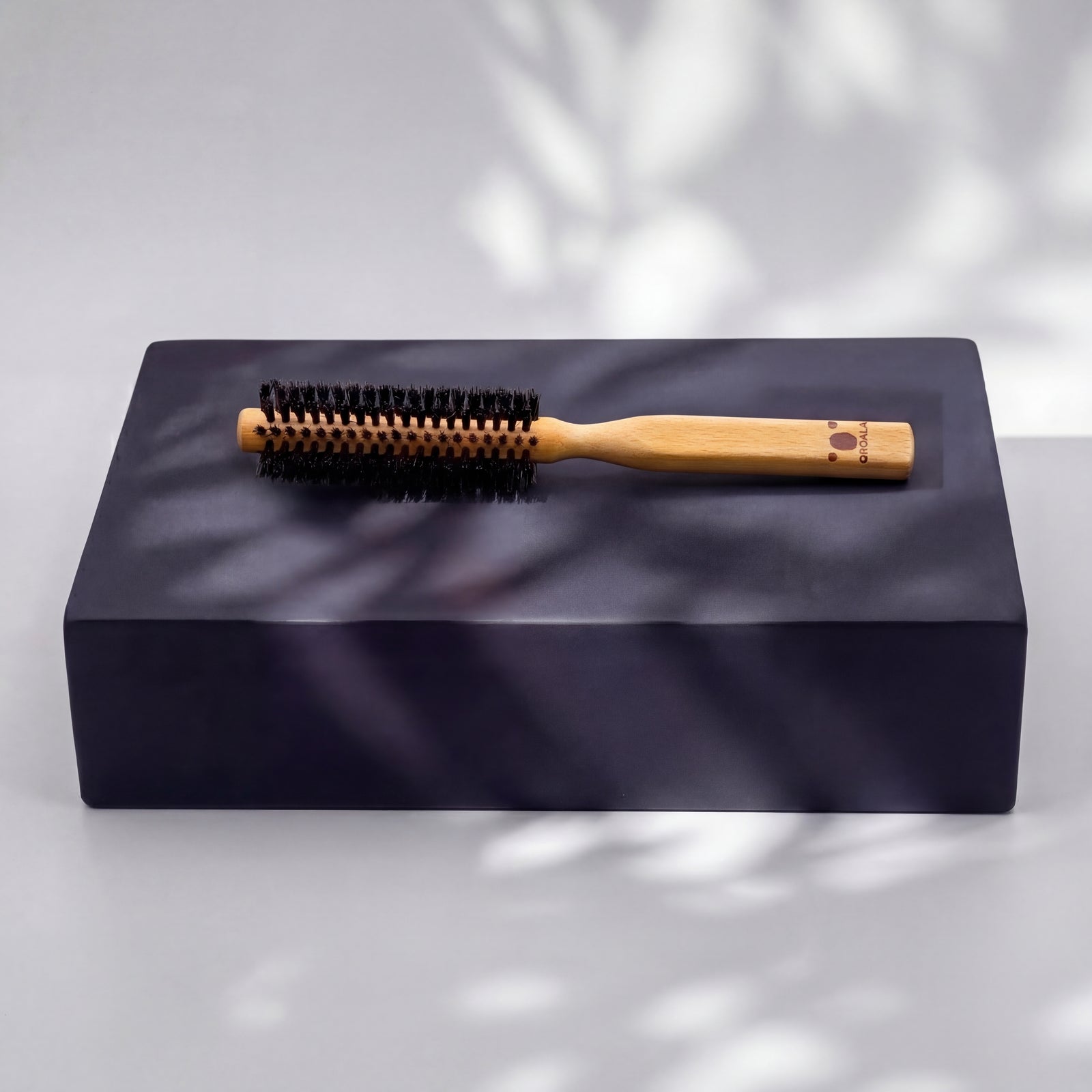

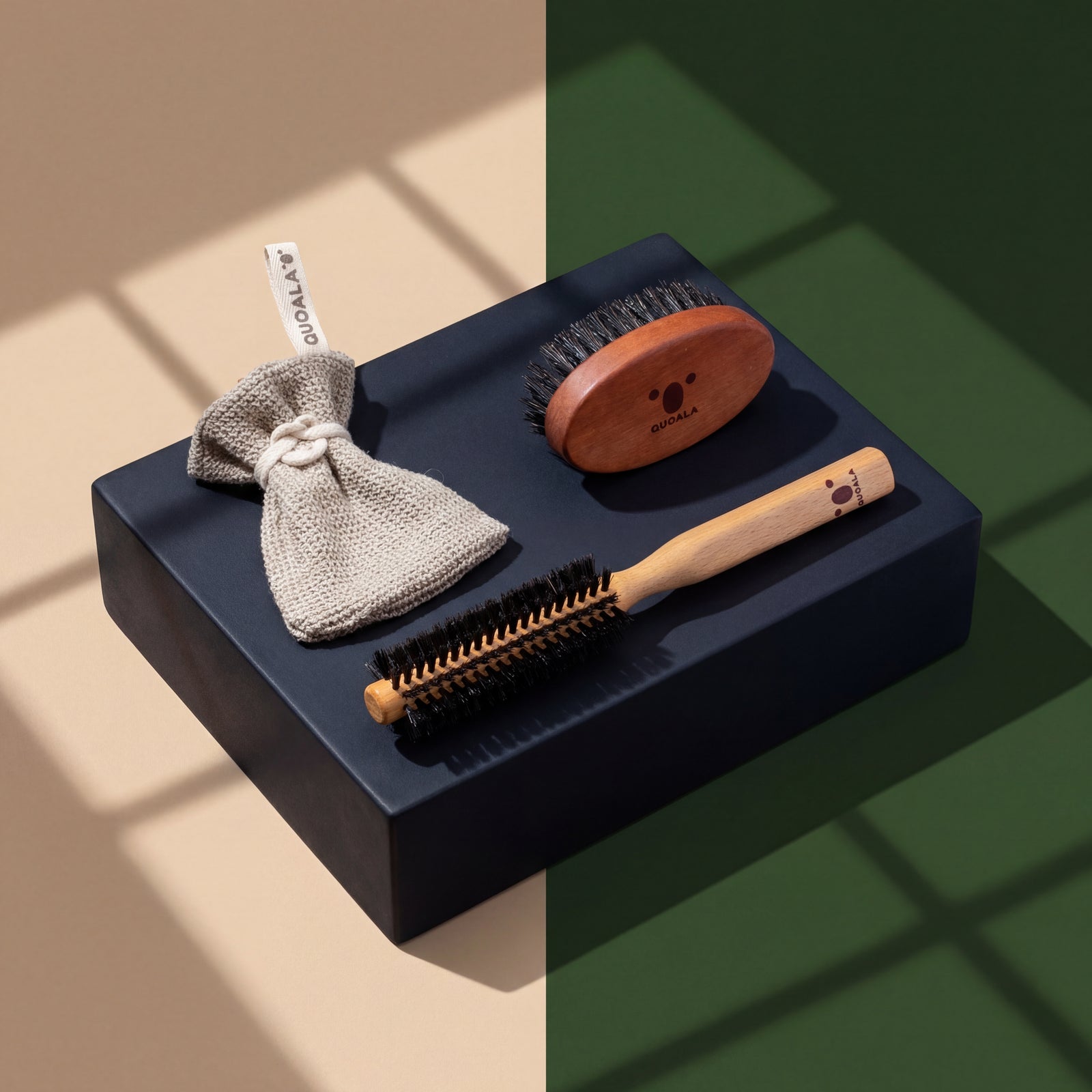

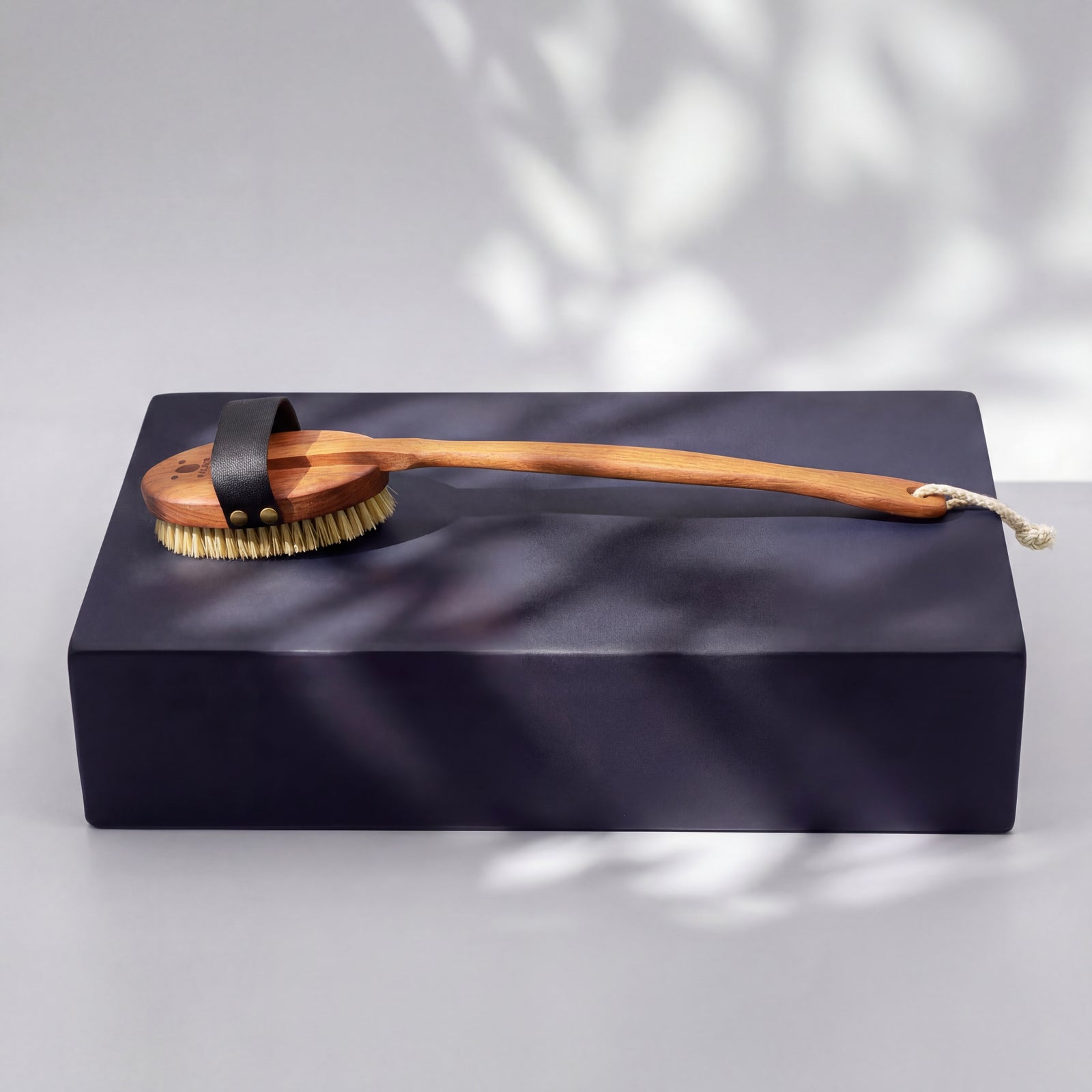

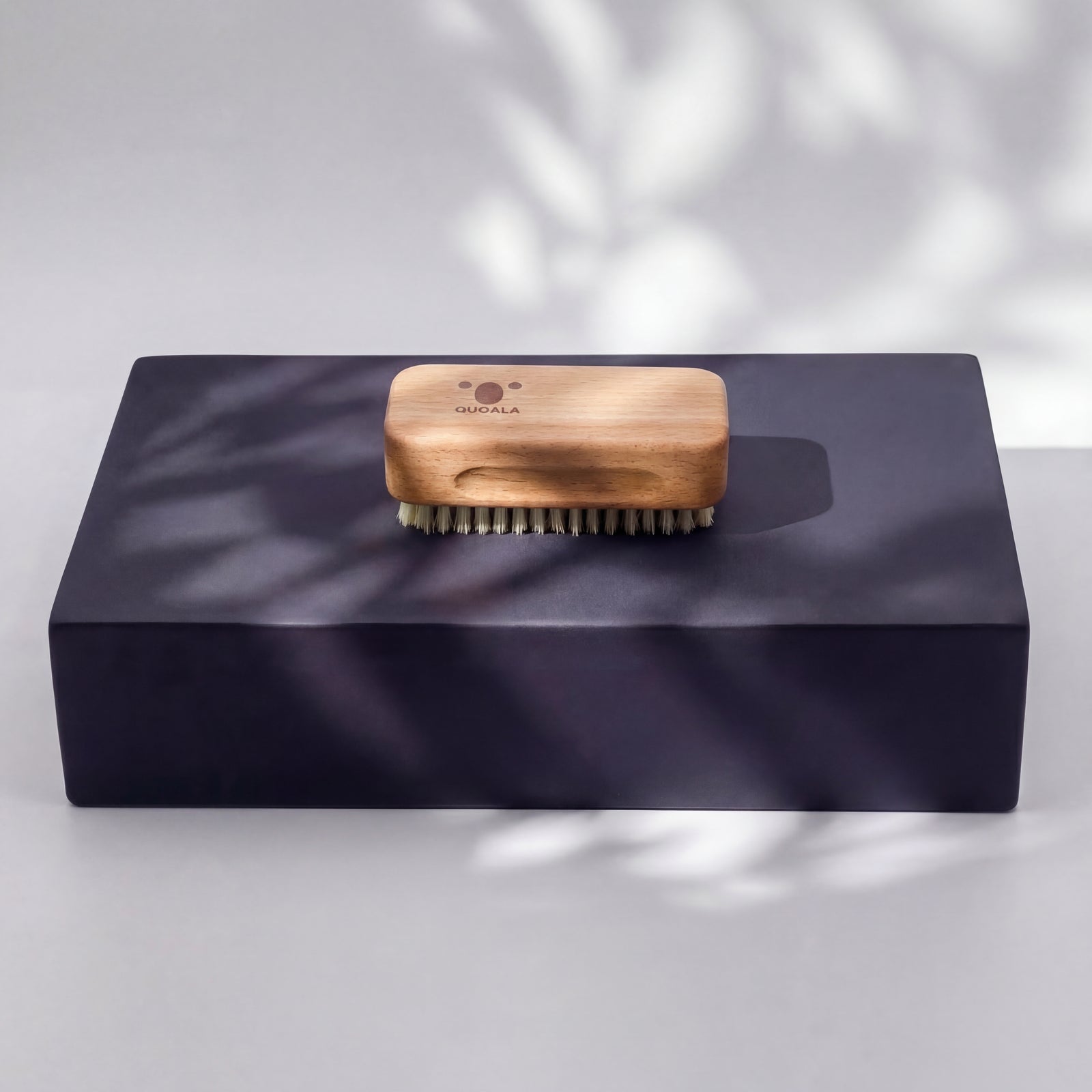


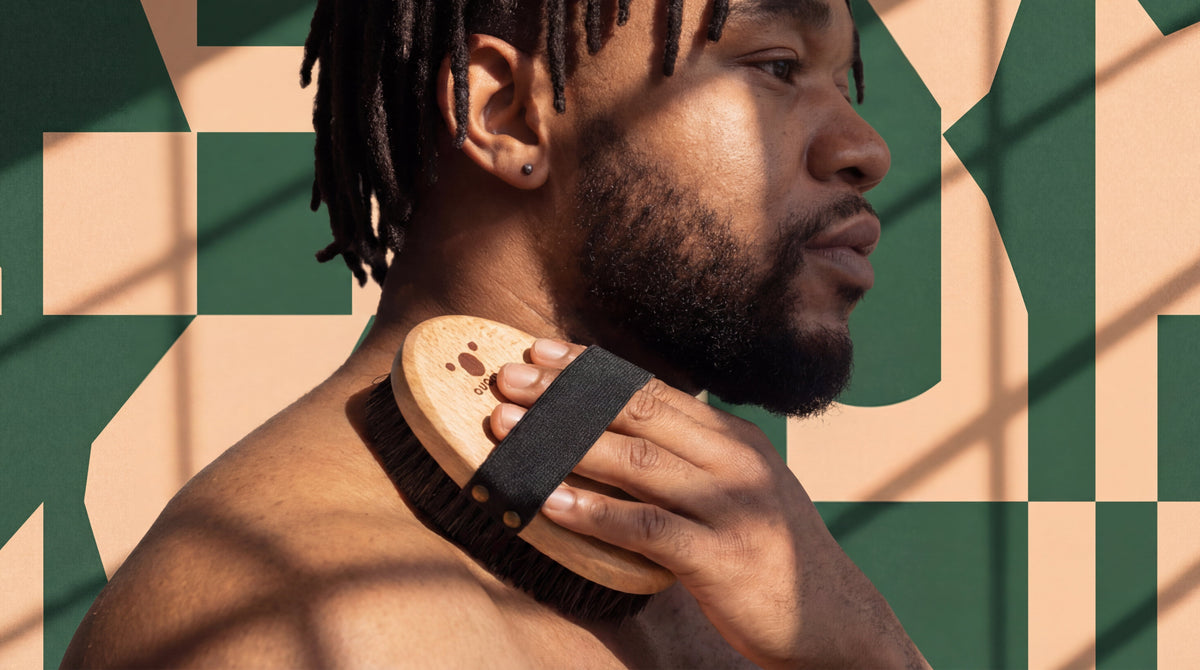
Dry brushing is often marketed in the wellness world as the ultimate spa ritual for women. Most men wave it away – wrongly. From a dermatological point of view, mechanical skin stimulation is not only just as important for the male body, it even brings its own distinct advantages because of the specific biology of men's skin.
Whether you often struggle with dry, flaky skin on your shins and arms or your body creams simply don't absorb properly: we show you why tools like the classic bath brush or the ionic brush with bronze wires belong in your bathroom too, and how to use them correctly.
Contents of this guide:
1. The biology: why men's skin needs mechanical exfoliation
Men's skin differs in structure from women's skin: it is thicker [1]. Nevertheless, many men tend to have extremely dry, dull skin on their bodies. Why?
Because the top layer of the skin (stratum corneum) consists of dead skin cells. As the skin is thicker, these cells often build up more heavily. The skin looks grey and “worn out”. If you now apply a high-quality body lotion, you are simply spreading it over a layer of dead cells – it cannot reach the deeper layers of the skin.
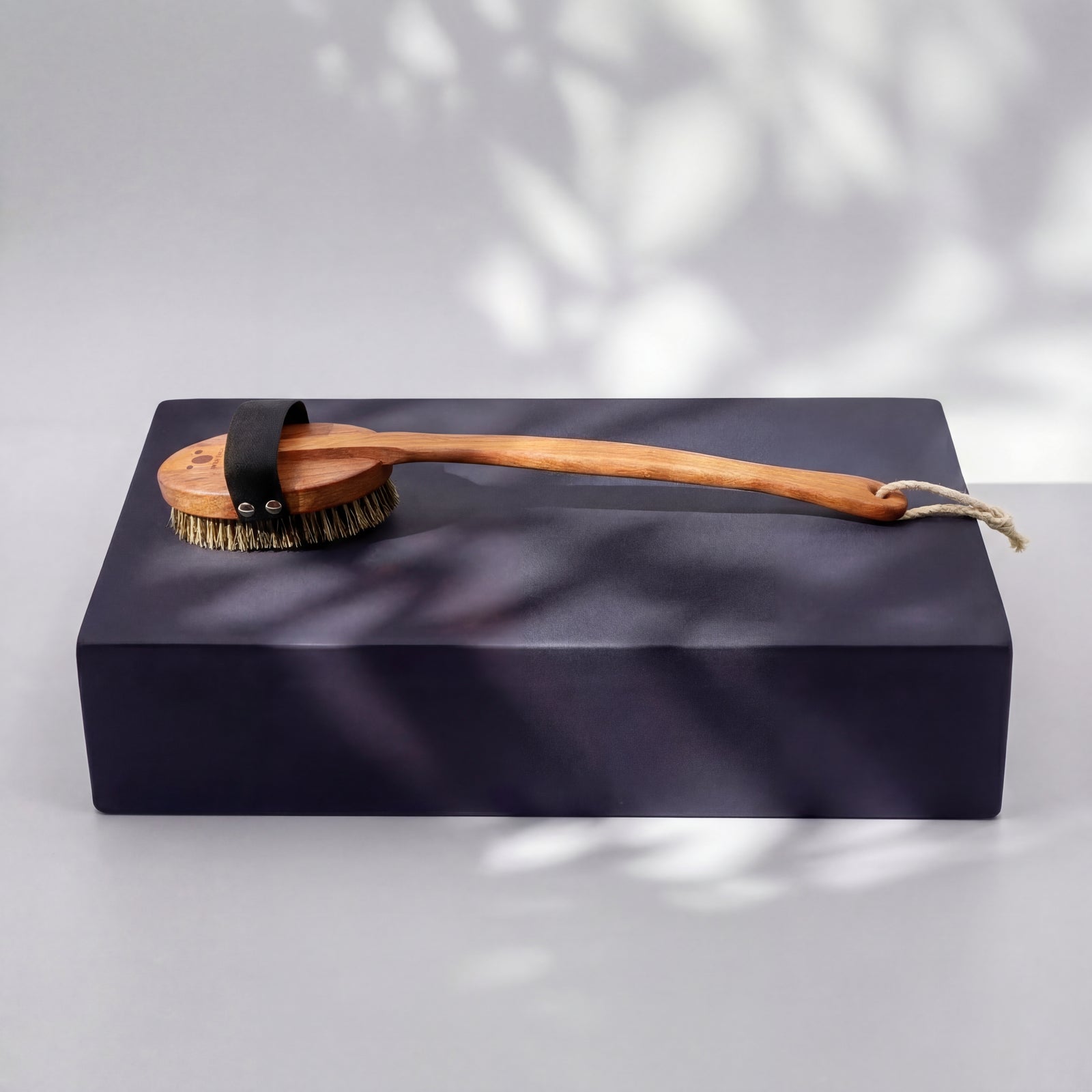
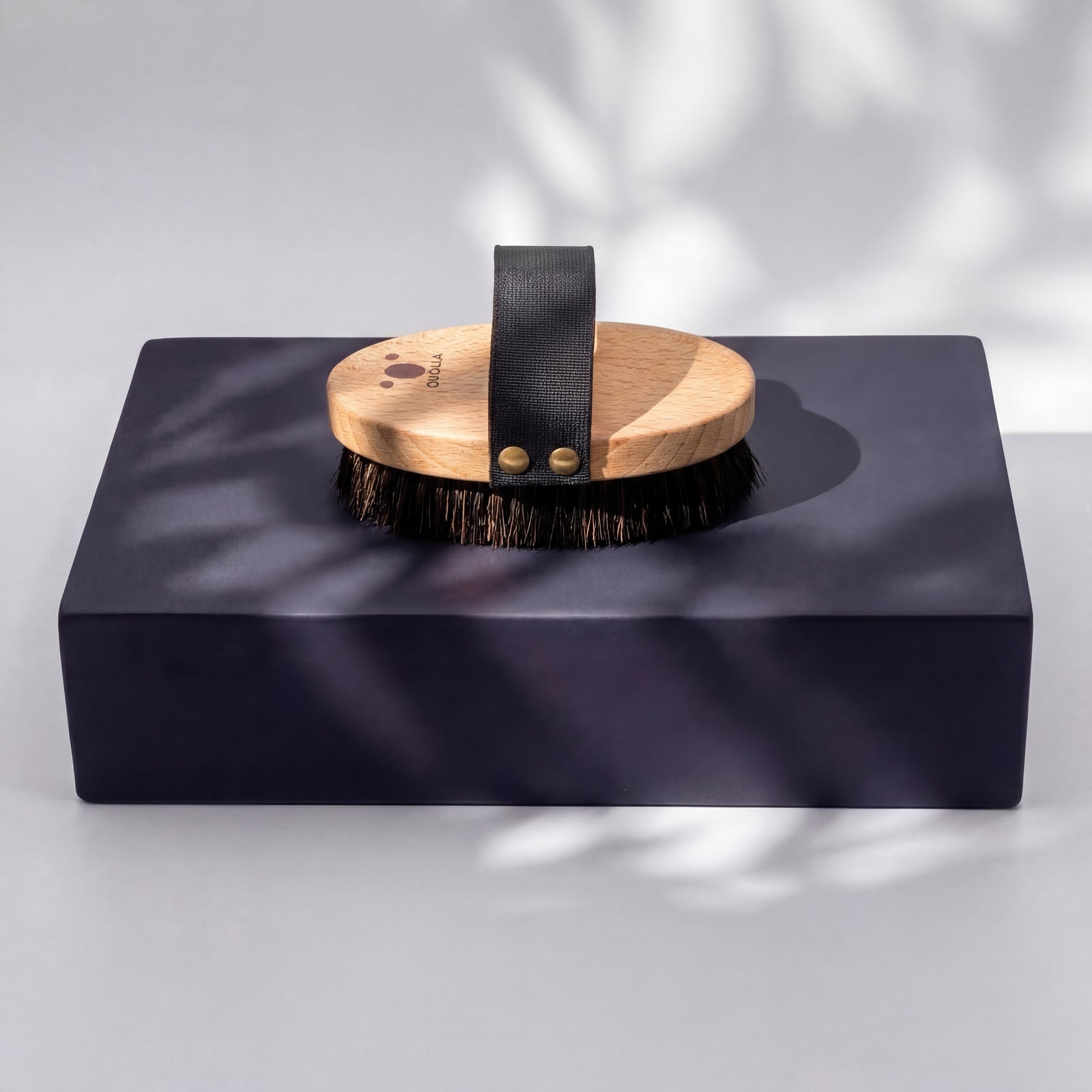
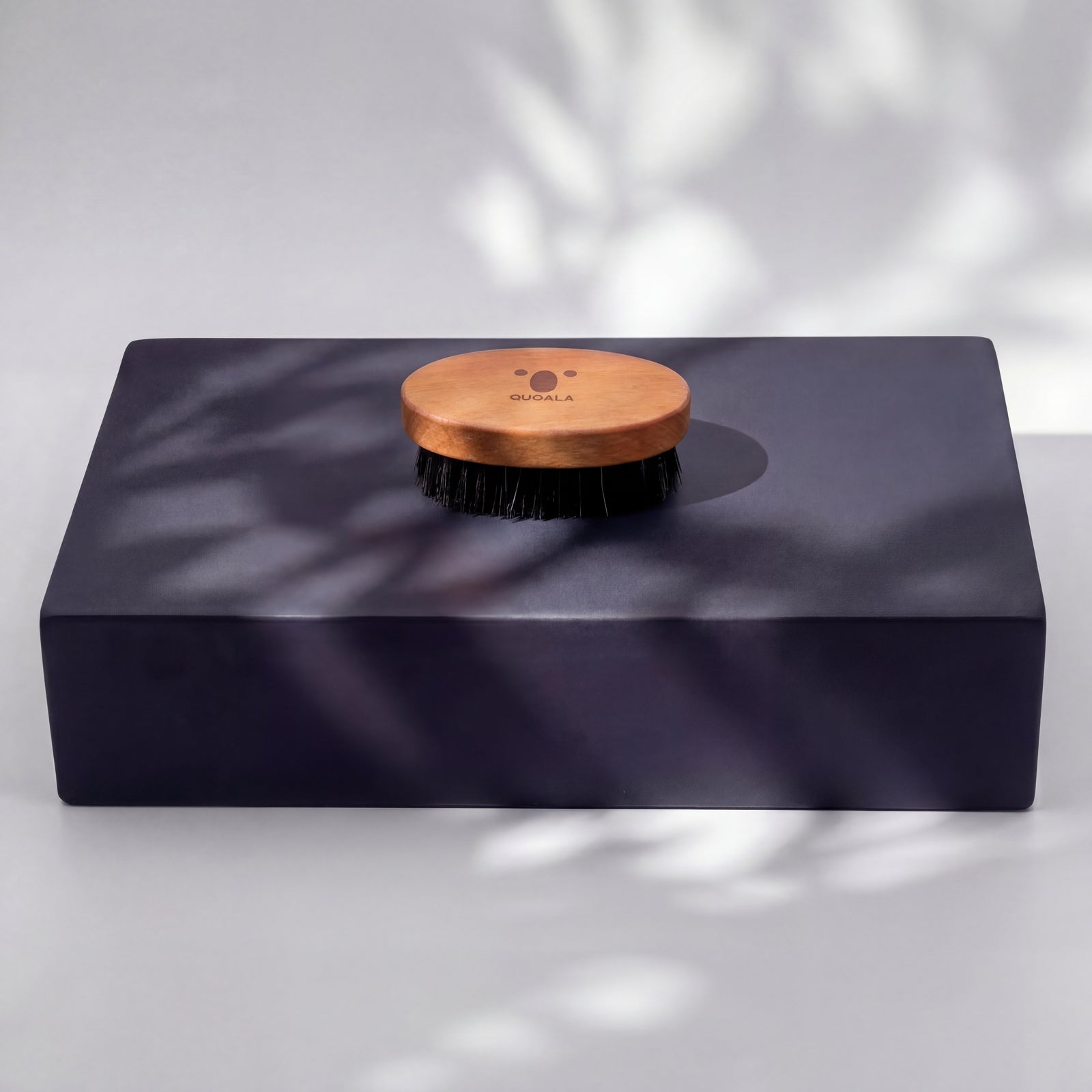
A firm natural-fibre bath brush acts here like a mindful, mechanical exfoliation. It removes this barrier, frees the pores and prepares the skin perfectly for the care that follows.
2. Ingrown hairs and clogged follicles
Another typically male issue is pronounced body hair (chest, back, legs). Where more thick hairs grow, friction more often leads to ingrown hairs or small inflammations of the hair follicles (folliculitis).
Regular brushing can loosen the build-up of dead skin at the follicle openings – exfoliation is considered a way to help prevent ingrown hairs [2].
The complete list: Besides the exfoliating effect, there are other reasons for dry brushing. Discover all 11 benefits of body brushing – and which of them are backed by evidence.
3. The monastery brush: the most intensive dry massage in the morning
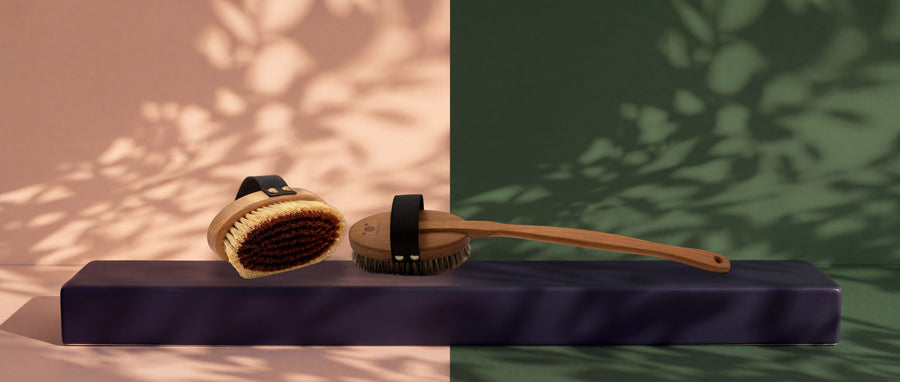
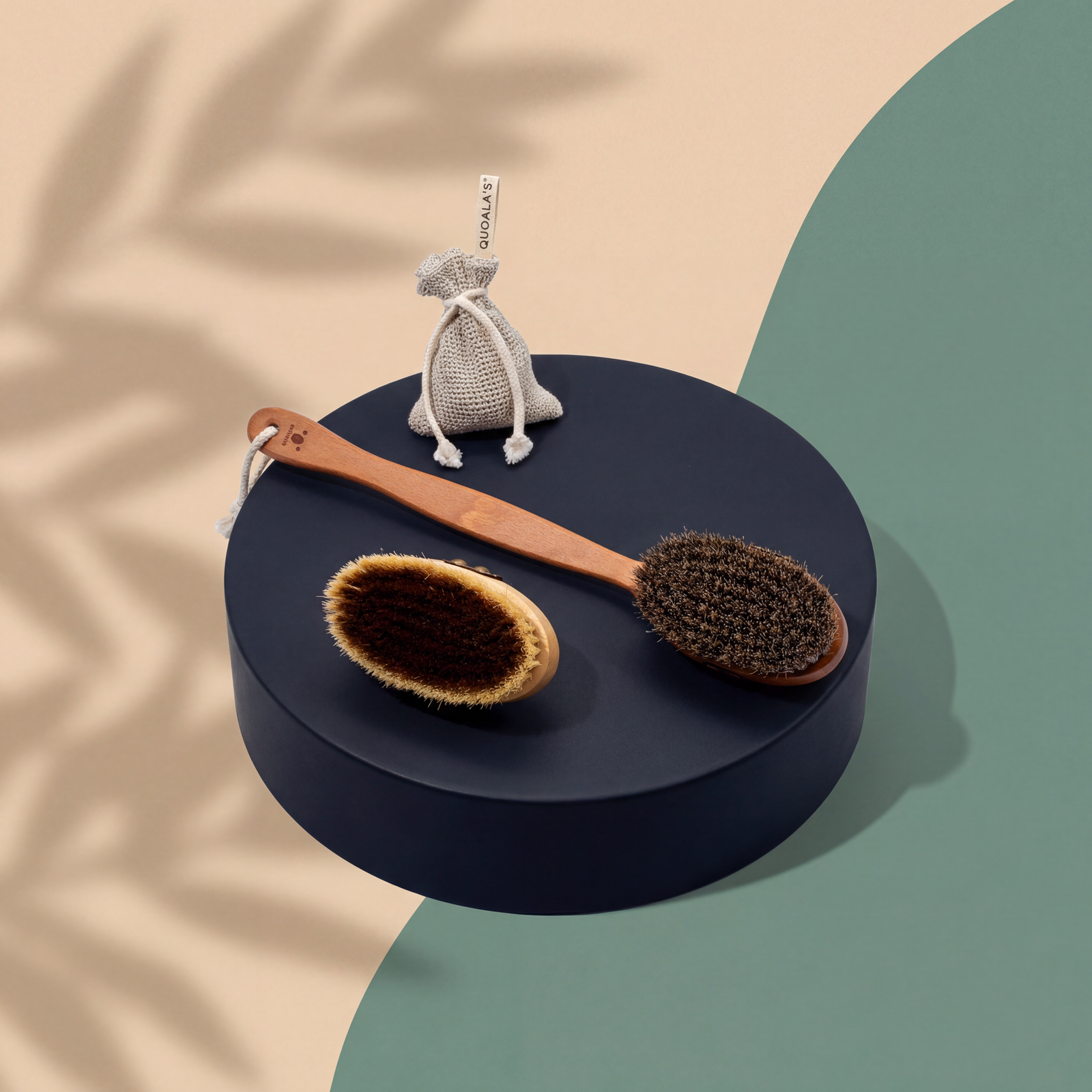
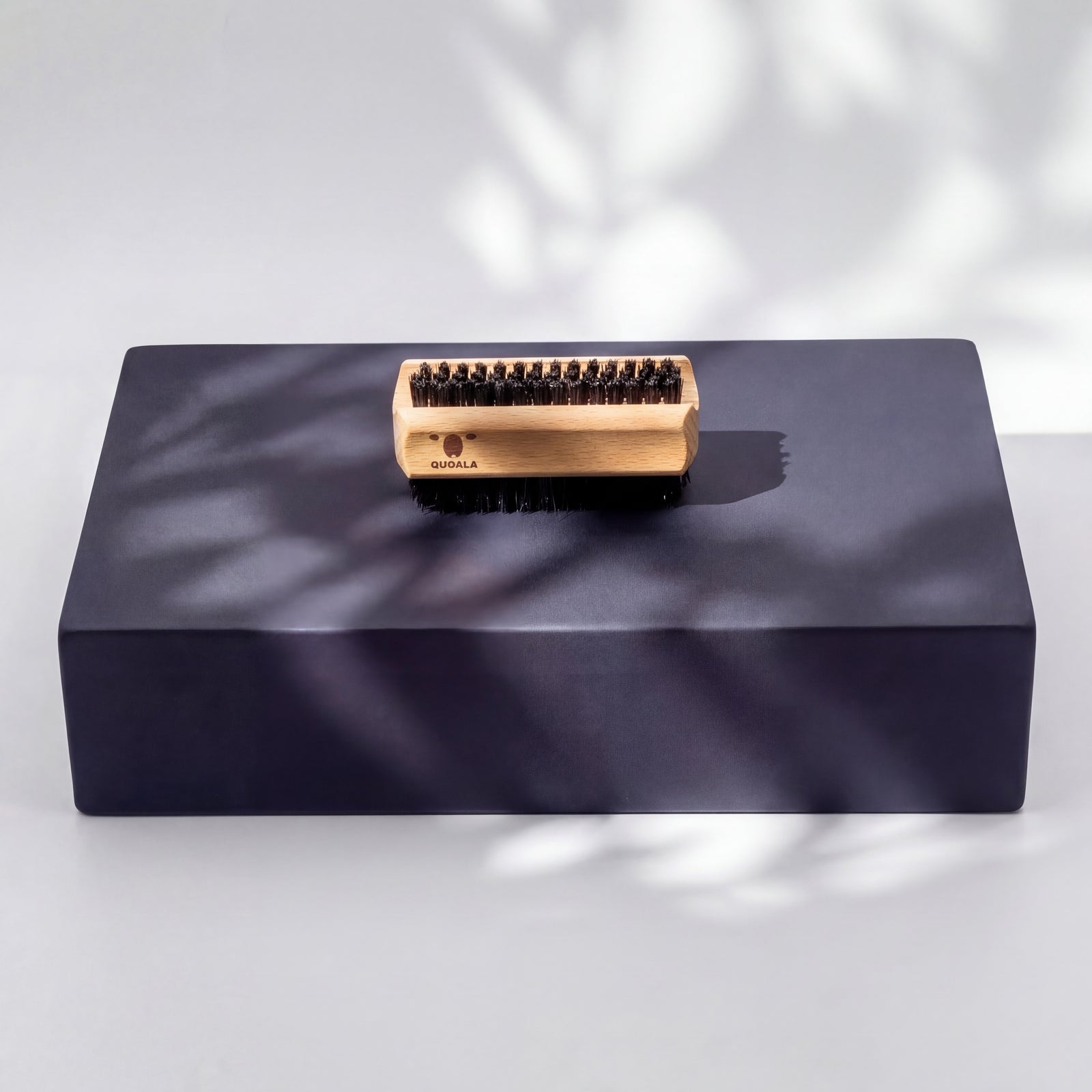
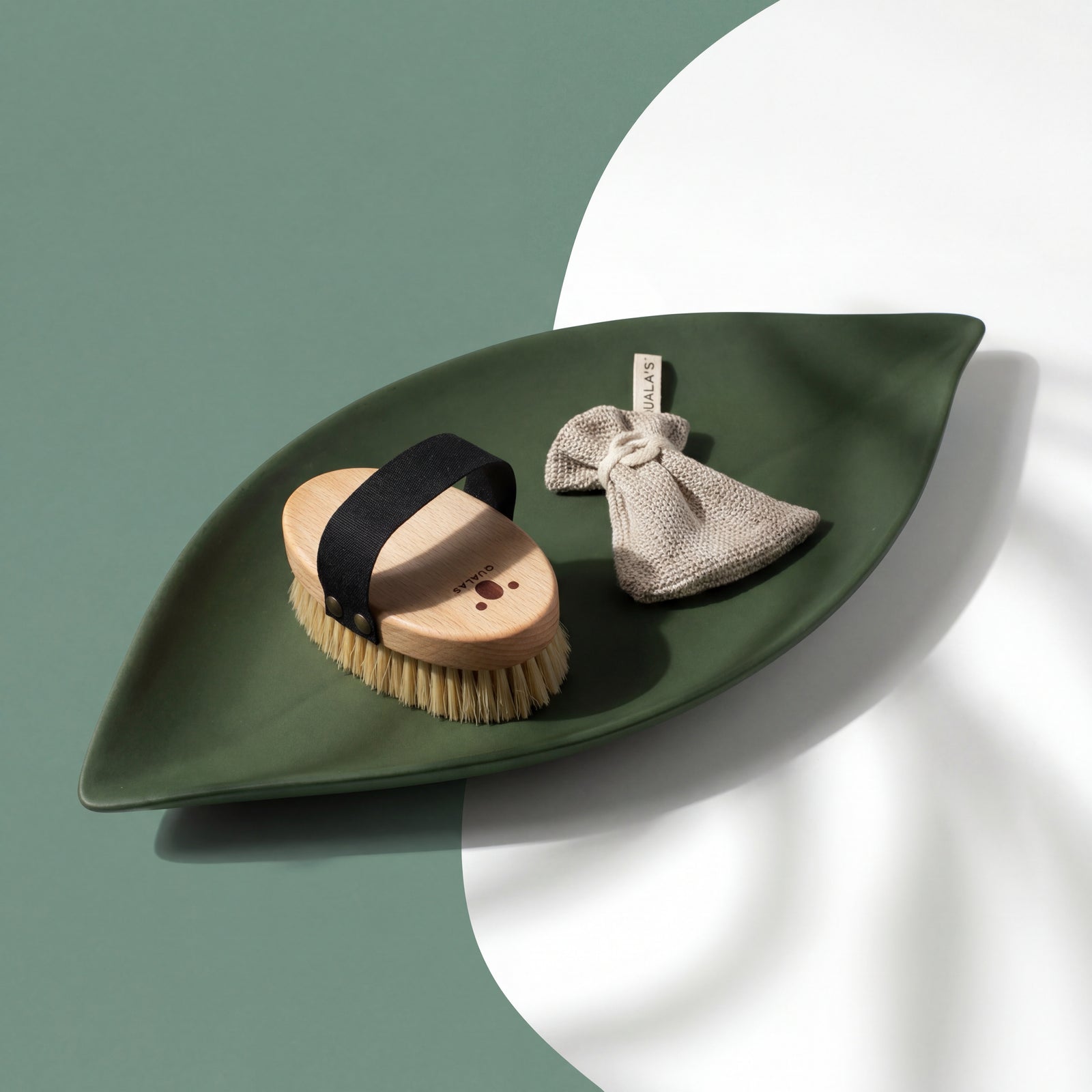
For men looking for the maximum effect, the monastery brush (also called an ionic brush) is the right choice. It is fitted with ultra-fine bronze wires (a copper-tin alloy) and a ring of natural bristles.
The monastery brush is said to release ions through its bronze wires when brushing. We have not found any scientific evidence for this — so we don't promise it. What we can back up: massage briefly increases local skin blood flow. It is the perfect physical kick-start to the day. Why it is called a monastery brush →
4. The technique: how should men brush?
The basic direction of dry brushing stays the same: always brush from the extremities towards the heart. There are, however, a few small differences in how men use it. You can also find detailed instructions on the stroke technique in our general dry brushing guide.
4.1 Pressure
As the epidermis is more robust in men, it can usually take firmer pressure. You should definitely feel the bristles, but they should never scratch painfully. Redness is good (a sign of strong blood flow), welts are not.
4.2 Body hair
With very dense body hair, long brush strokes often bounce off the hair. Here, use shorter, firmer strokes or gentle circular movements to get the bristles through the hair to the skin.
4.3 Aftercare
Because the mechanical exfoliation has removed sebum and dead cells, men's skin is now extremely receptive. A light, quickly absorbed moisturiser or a body oil straight after the shower is now a must to seal the lipid barrier [1].
5. Frequently asked questions
Is dry brushing suitable for men too?
Yes. Dry brushing is a gentle mechanical exfoliation – for men's skin just as for women's. Men's skin is thicker; the technique stays the same.
How often should men dry brush?
3–5 times a week is recommended, for 3–5 minutes each time before showering. Over time the intensity can be increased once the skin has got used to the stimulation.
What are the main benefits of dry brushing for men's skin?
Dry brushing removes dead skin cells, briefly increases local skin blood flow through massage, and can improve the appearance of uneven skin. Men also benefit from the deeper cleansing of clogged pores.
Can you dry brush your face?
You should not use a body brush on your face. Facial skin is more sensitive and needs a special, softer brush or other care tools.
What is the difference between an dry brush and a normal bath brush?
An dry brush (monastery brush) combines natural bristles with bronze wire inserts. We don't promise an ionic effect because we have not found any evidence for it. A normal bath brush has no bronze wires.
Which areas of the body should you avoid when dry brushing?
Irritated skin, wounds, sunburn, eczema or inflamed areas should be avoided completely [3]. Sensitive areas such as the face or the inner thighs should also be treated with particular care or left out.

Uncompromising care for beard, hair and body
Rely on science-based tools. Discover our durable Man Care collection made from FSC-certified wood and pure natural fibres.
Sources and further reading
Scientific sources
- American Academy of Dermatology: Skin care tips for men. Men's skin is thicker; moisturise every day straight after showering. Our assessment S92 · Source
- Ogunbiyi (2019), Pseudofolliculitis barbae; current treatment options, Clinical, Cosmetic and Investigational Dermatology. Review: exfoliation is named as a way to help prevent ingrown hairs. Our assessment S12 · Source
- Cleveland Clinic (2021): The Truth About Dry Brushing and What It Does for You. A dermatologist's view of what dry brushing can and cannot do. Our assessment S77 · Source